Home » Boerne » Much Anticipated! Our Spring Native Plant Sale is on April 18, 2026!
Boerne Chapter
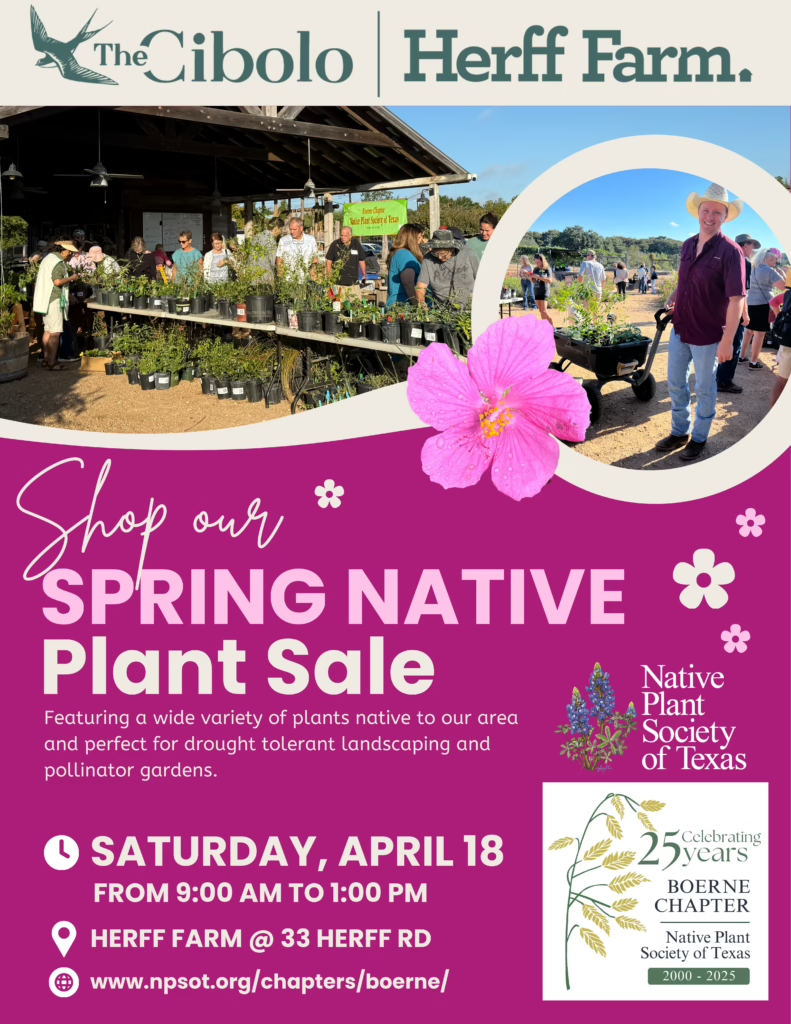
Much Anticipated! Our Spring Native Plant Sale is on April 18, 2026!
Visit us at our Spring Native Plant Sale on Saturday, April 18, 2026, from 9:00 a.m. – 1:00 p.m. at the Herff Farm Teaching Barn, at 33 Herff Road in Boerne.
Take advantage of this opportunity to easily obtain native plants suited to our eco region, and along with making your space beautiful, you’ll be providing food and habitat for butterflies, birds and other wildlife!
NPSOT volunteers will be at hand at the event to answer any of your native plant questions.
Did you know that many native plants even do well in containers?!
We expect to have lots of different species that do well in our local area of Boerne, many of which you won’t easily find elsewhere!
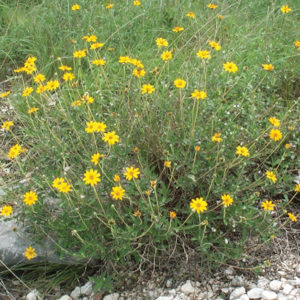
Some of the plants we will be selling are: Turk’s Cap, Blackeyed Susan, Blackfoot Daisy, BigTooth Maple, Passionflower, White Mistflower, Golden Groundsel, Evergreen Sumac, Zexmenia, Flame Acanthus, Rock Rose, Milkweed Vine, and more!
To find the Texas Native plants that are a match for your landscape, visit NPSOT’s native plant database.
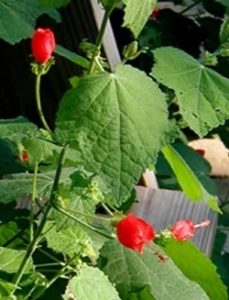
Turk's Cap (Malvaviscus arboreus var. drummondii)
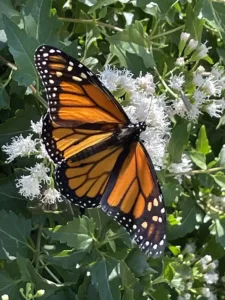
White Mistflower (Ageratina havanensis) Photo credit: Linda Griffith
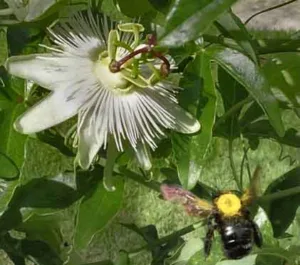
Corono de Cristo Passionflower (Passiflora foetida var. gossypifolia)
Below are a few of the plants that we expect to sell at the native plant sale.
Acanthus, Flame Agave Lechuguilla Anacacho Orchid (probably light pink) Artemisia Aster, Fall Aster, Tall Barberry, Texas Beautyberry, American Black-eyed Susan Blue Curls Bluestem, Little Buckeye, Mexican Buckeye, Red Buckeye, Texas Cactus, Flame Cactus, Spineless Prickley Pear Cherry, Dwarf Barbados Chili Pequin Cholla Columbine, Red Coneflower, Purple Coralberry Crabapple, Blanco Crossvine Crownbeard, Lindheimer’s Cupgrass, Texas Daisy, Blackfoot Daisy, Englemann Daisy, Four-nerve Daisy, Straggler Datura
Elderberry Elm, Cedar Frogfruit Frostweed Gayfeather/Liatris Goldenball Lead Tree Goldeneye, Plateau Goldeneye, Skeletonleaf Goldenrod, Prairie Greeneyes, Texas Groundsel, Golden Hibiscus, Heartleaf Honeysuckle, Coral Inland Sea Oats Ironweed, Western Lantana, Texas Laurel, Mountain Maidenhair Fern Maple, Bigtooth Milkweed, Antelope Horn & Milkweed vine (species unknown) in same pot Mistflower, Blue Mistflower, Fragrant Mistflower, Gregg’s Mistflower, White/Shrubby Boneset Muhly, Gulf Muhly, Pine Oak, Bur Obedient Plant, Fall Passionflower, Birdwing Passionflower, Corona de Cristo
Penstemon, Gulf or Brazos Persimmon, Texas Phlox, Prairie Pigeonberry Pipevine, Swanflower Plum, Creek Plum, Mexican Redroot, Prairie Rock Rose Ruellia, Drummond’s Ruellia, Violet/Wild Petunia Sage, Autumn Sage, Big Red Sage, Cedar Sage, Lyre Leaf Sage, Mealy Blue Sage, Scarlet (pink blooming) Sage, Texas/Cenizo Senna, Lindheimer’s Showy Menodora (13 labels) Skullcap, Heartleaf Snapdragon vine Standing Cypress Primrose, Western/Hartweg’s Sundrops Sunflower, Common Turk’s Cap Virginia Creeper Yucca, Red Yucca, Twistleaf Zexmenia
About the Region
This low-elevations region of Texas extends inland from the barrier islands, about 60 or so miles, and stretches from Brownsville to Louisiana. In total, it covers about 9.5 million acres, with a high point of 150 feet in elevation. More than 1000 species of plants can be found in this region. On the southern end, species more common in Mexico (such as Sabal mexicana) and Central America occur.
The barrier islands provide us with dune systems, and clay flats to the inland side, which have species found in these areas alone. Many plants here, such as Ipomoea pes-caprae (beach morning glory), can be found throughout tropical regions of the globe. I’ve encountered the same species on the beaches of Guam.
Once inland, vast marshes and wet prairies occur. Occasionally, oak (Quercus fusiformis) groves can be found. Common grasses include species of Bothriochloa, Paspalum, and Sporobolus; eastern gamagrass (Tripsacum dactyloides); and switchgrass (Panicum species). Many rivers and creeks cut through the Gulf Prairies, and along these riparian areas various species of trees, Sabal minor, and other plants adapted to clay soils can be found. Due to overgrazing, farming, and fire suppression, woody species such as mesquite (Prosopis glandulosa) and huisache (Acacia farnesiana), and invasive species such as chinaberry (Melia azedarach), Brazilian pepper (Schinus terebinthifolius), and Chinese tallow (Sapium sebiferum) have increased and displaced our native flora.