


Propagating for the plant sales
Deedy Wright explains how to propagate plants for our plant sale. There are several jobs: digging the plants, potting them, and fostering them.
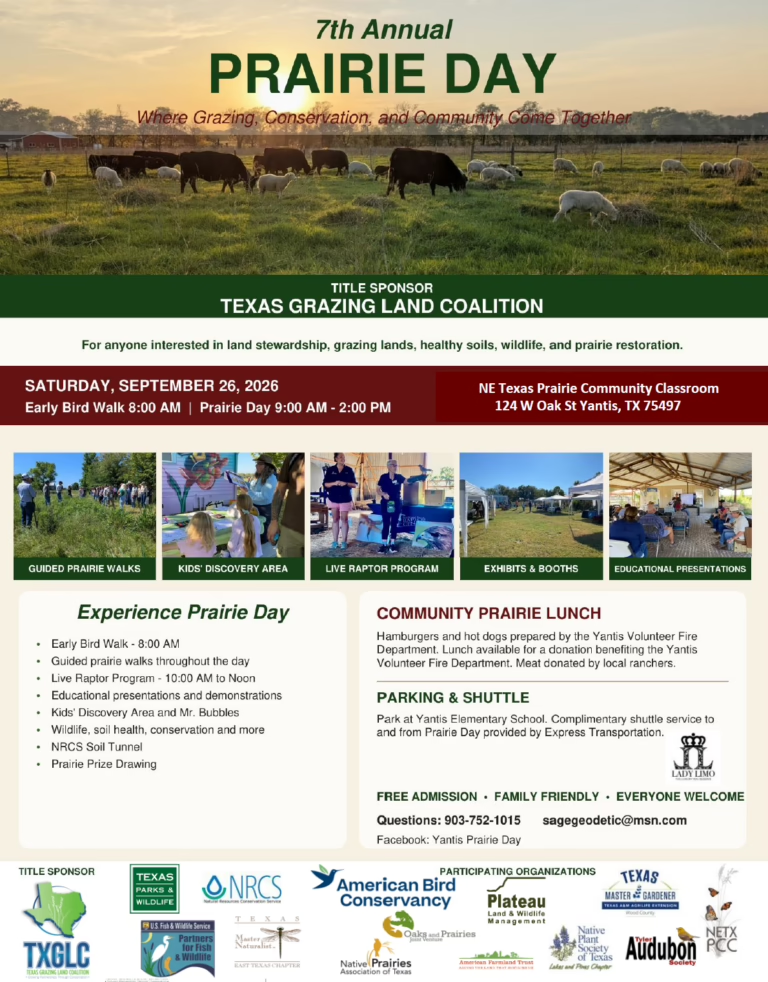
7th Annual Yantis Prairie Day Sept. 26
Looking for a fun and educational way to spend a Saturday? Join us for the 7th Annual Prairie Day on Saturday, September 26, from 9:00 a.m. to 2:00 p.m. at the NE TX Prairie Community Classroom at 124 W Oak St. Yantis, TX 75497. Early morning bird walk at 8:00
San Antonio Chapter Social Meetup
August 25, 2026: Join fellow NPSOT Members for snacks and conversation at The Cove Restaurant!

2026 Bill Lindemann Scholarship winners
The Bill Lindemann Scholarship for the 2026-27 academic year has been awarded to two exceptional candidates: Jen Wood, a senior at the University of North Texas graduating in 2027 with a degree in Ecology for Environmental Science, and to Autumn Webb, a junior at Texas A&M University studying Rangeland, Wildlife and Fisheries Management.

Enter Our Annual Contests by August 31
We have contests for members in photography, video and newsletters.
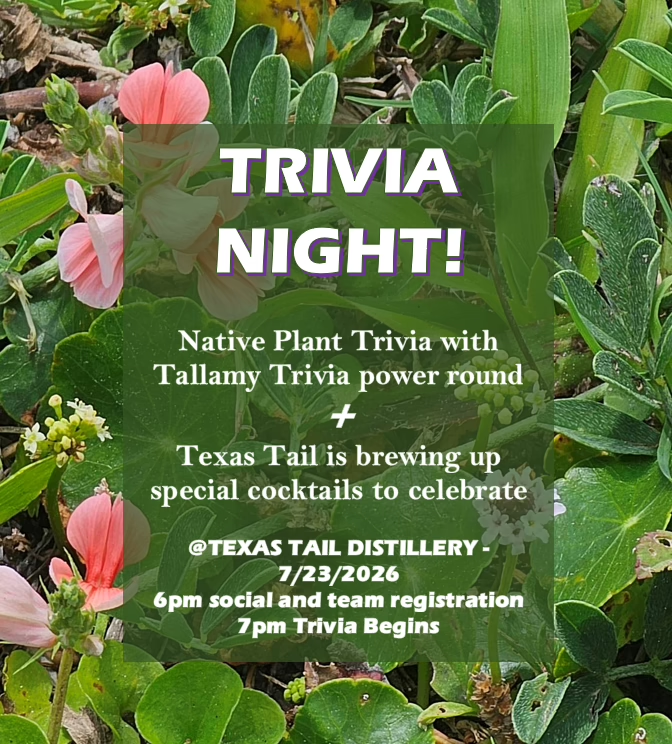
Native Plant Trivia Night!
Galveston’s July Chapter Meeting – Trivia Night at Texas Tail Distillery Join us for Native Plant Trivia night! Questions will focus on native plants with a special Tallamy Trivia power round! Teams (up to 4 people) will battle it out for bragging rights. Come for the competition or just the good
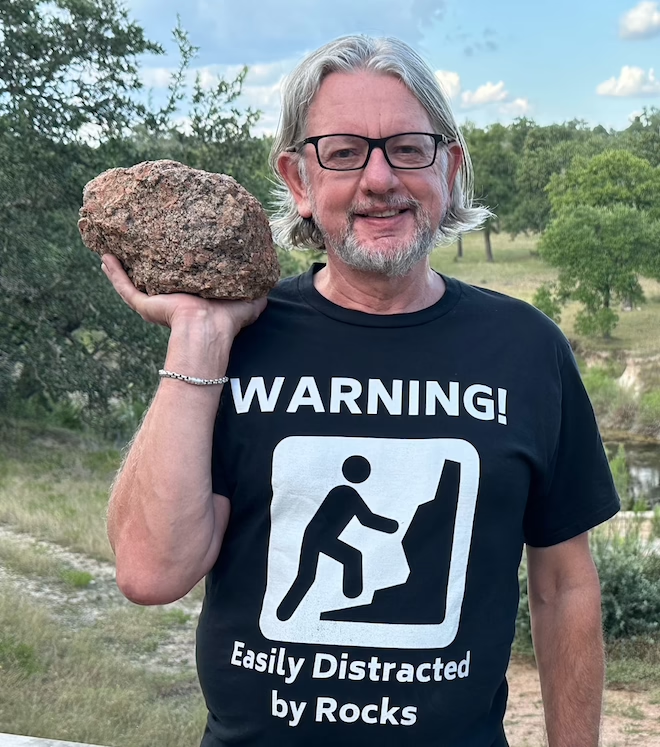
“The Earth Beneath Our Earth” – July 28
“The earth we plant in is a temporary veneer on an eroding hard rock surface that has been evolving over 35 million years. In this talk I’ll show and explain the geologic evolution of the earth beneath our Central Texas earth.”

Fall Plant Sale on September 26, 2026
The Clear Lake Chapter’s Fall Plant Sale is scheduled for September 26, 2026.
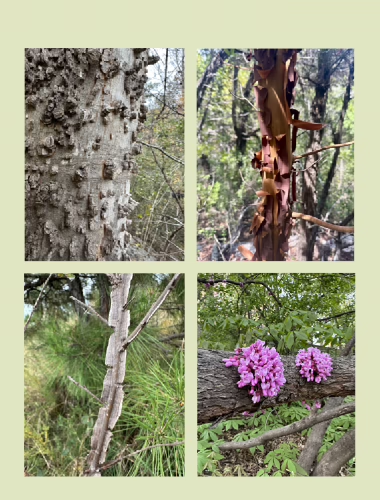
Barking Up the Right Tree
By Peter Keilty When Texans think about heat-tolerant native planting, wildflowers usually get top billing. This short piece makes the case that trees deserve equal attention, especially when the goal is long-term beauty, wildlife value, and lower-input landscapes. Sugar Hackberry Sugar Hackberry (Celtis laevigata) earns praise for its distinctive bark
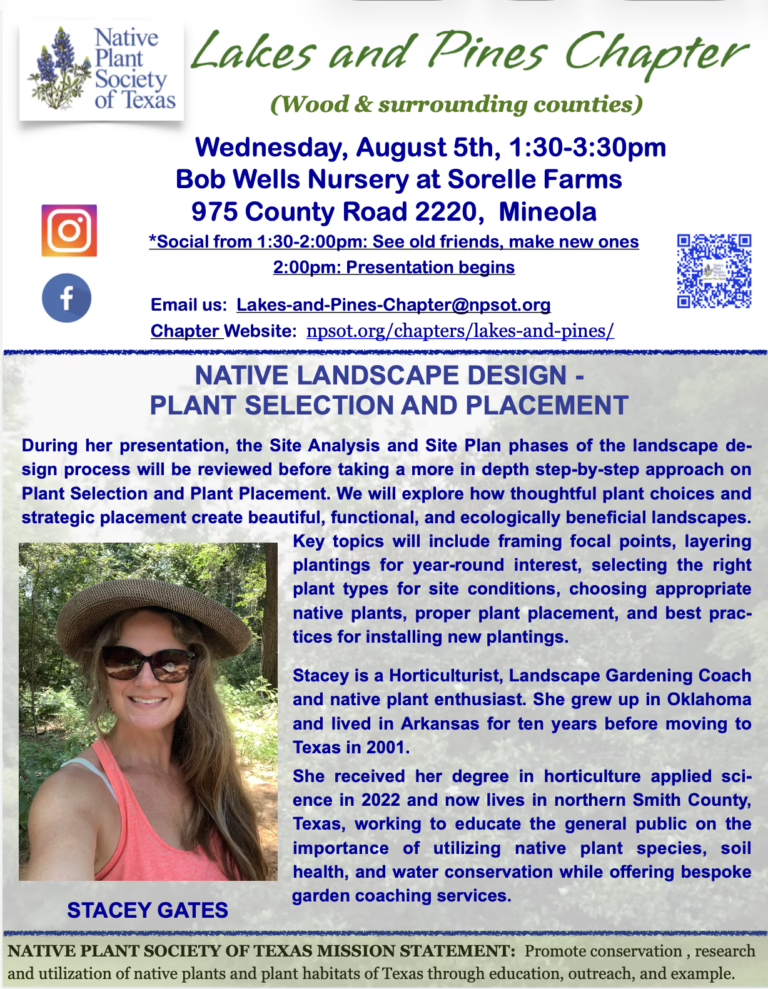
August 5 Lakes & Pines Chapter Meeting: “Native Landscape Design – Plant Selection and Placement” presented by Stacey Gates
We will explore how thoughtful plant choices and strategic placement create beautiful, functional, and ecologically beneficial landscapes.
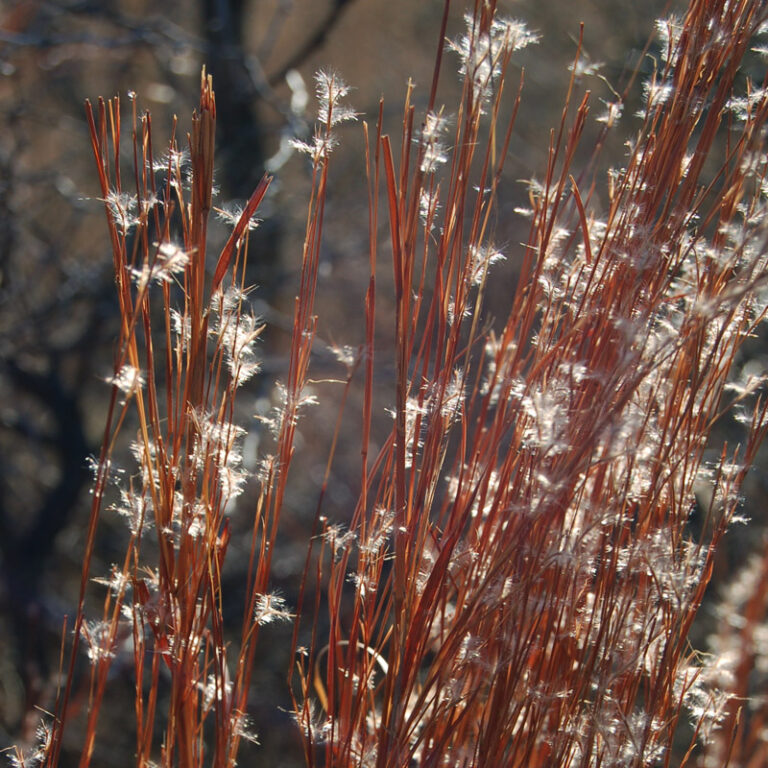
August Meeting: Native Grasses and Why They Are Needed
The Tuesday August 4th chapter meeting will be available to attend in person at the Heard Museum in McKinney or online via Zoom. The program will feature David Will speaking virtually on “Native Grasses and Why They Are Needed”. Presentation Summary: The discussion will explore the rich history of native
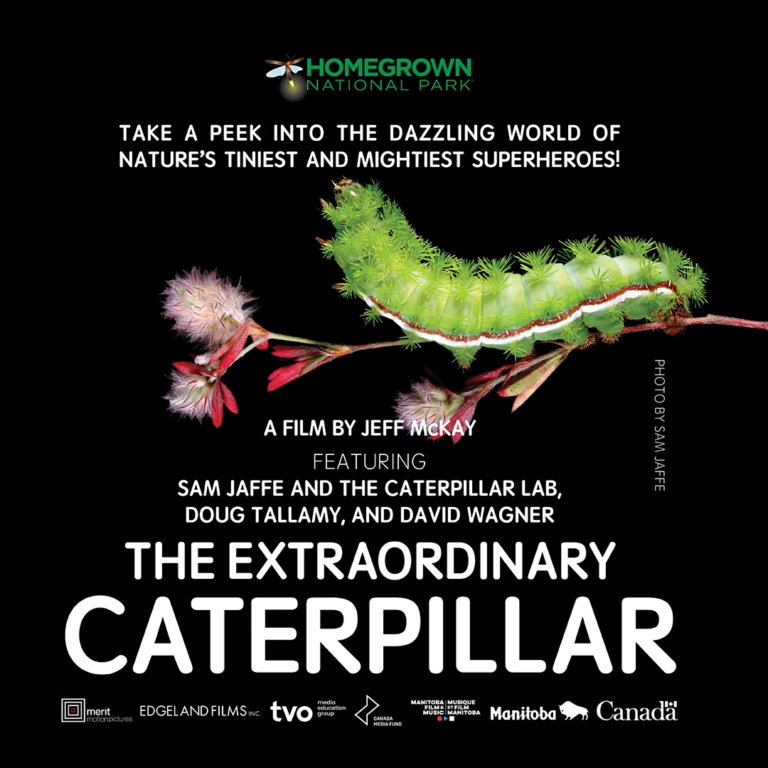
Caterpillars & Crafts
Join us for Caterpillars & Crafts on July 17th! We’ll be watching the documentary “The Extraordinary Caterpillar” at LA Morgan. Free pizza, popcorn, and crafts for the family! Event partners: VISION Galveston, Galveston Chapter NPSOT, Galveston Island Tree Conservancy, and Galveston Arts Center
