

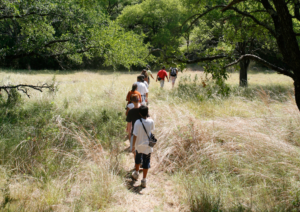
 Join us for a Field Trip to Shield Ranch in Dripping Springs.
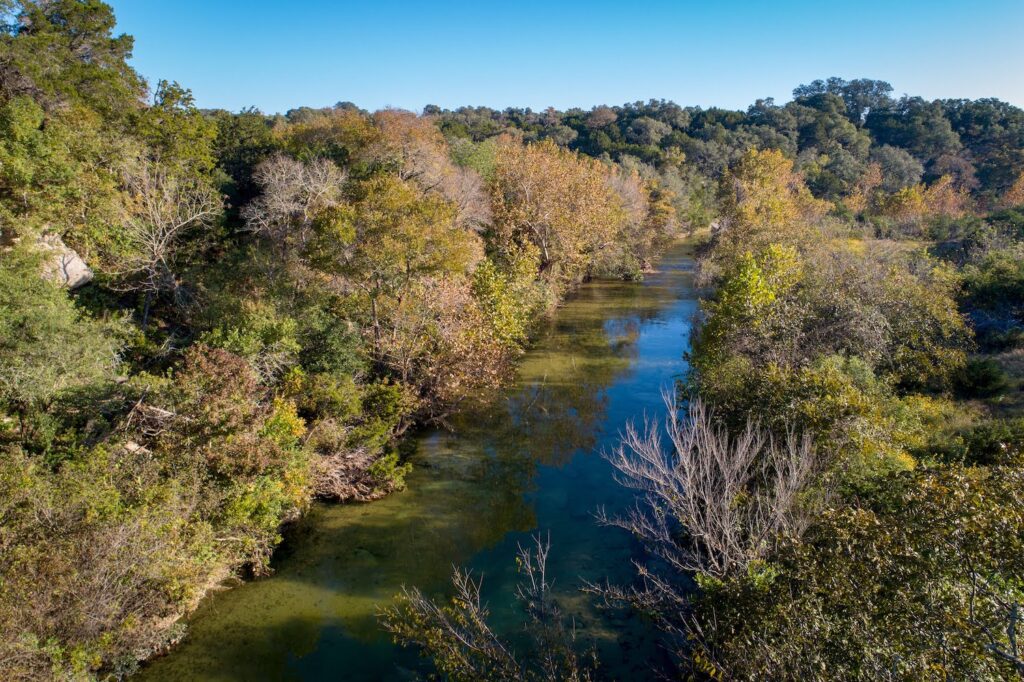
At Shield Ranch, stewarding and protecting the Hill Country ecosystem is their solemn purpose. Located 18 miles southwest of downtown Austin, it’s a 6,400-acre historic district and protected wildland. It is home to a mosaic of habitats, a diverse community of native plants and animals, and over six breathtaking miles of Barton Creek.
Through an evolving program of land management, unique nature immersion experiences, and conservation easements with the Nature Conservancy and the City of Austin, Shield Ranch offers something exceptionally rare in our rapidly urbanizing community—a truly wild place. Join us in making sure it stays that way.
We’ll walk the trails of Shield Ranch with well-known botanist Bill Carr and see firsthand the native plants and associated ecosystems in this very rare view of this non-public ranch. We’ll experience what land stewardship can do for native species in this Edwards Plateau oasis.
Register for the Shield Ranch field trip here
Limited to 24 participants
 Cost $17.85
Saturday, April 29 from 8:30am to about 12 noon (3 hours plus lunch).
Address 10417 Crumley Ranch Rd, Dripping Springs, TX 78620
We will be hiking a 1.6 mi route
Bring water and bag lunch. There are no trash cans so we must carry our trash out with us. Wear good hiking shoes and bring sun screen, hats, water bottle etc. They have water bottle filling stations where we can fill bottles before and after the hike.
We’ll email additional logistics information before the event.
If you have questions you can email us at Austin NPSOT
