Austin Chapter

Austin Plant Sale 2023 Review

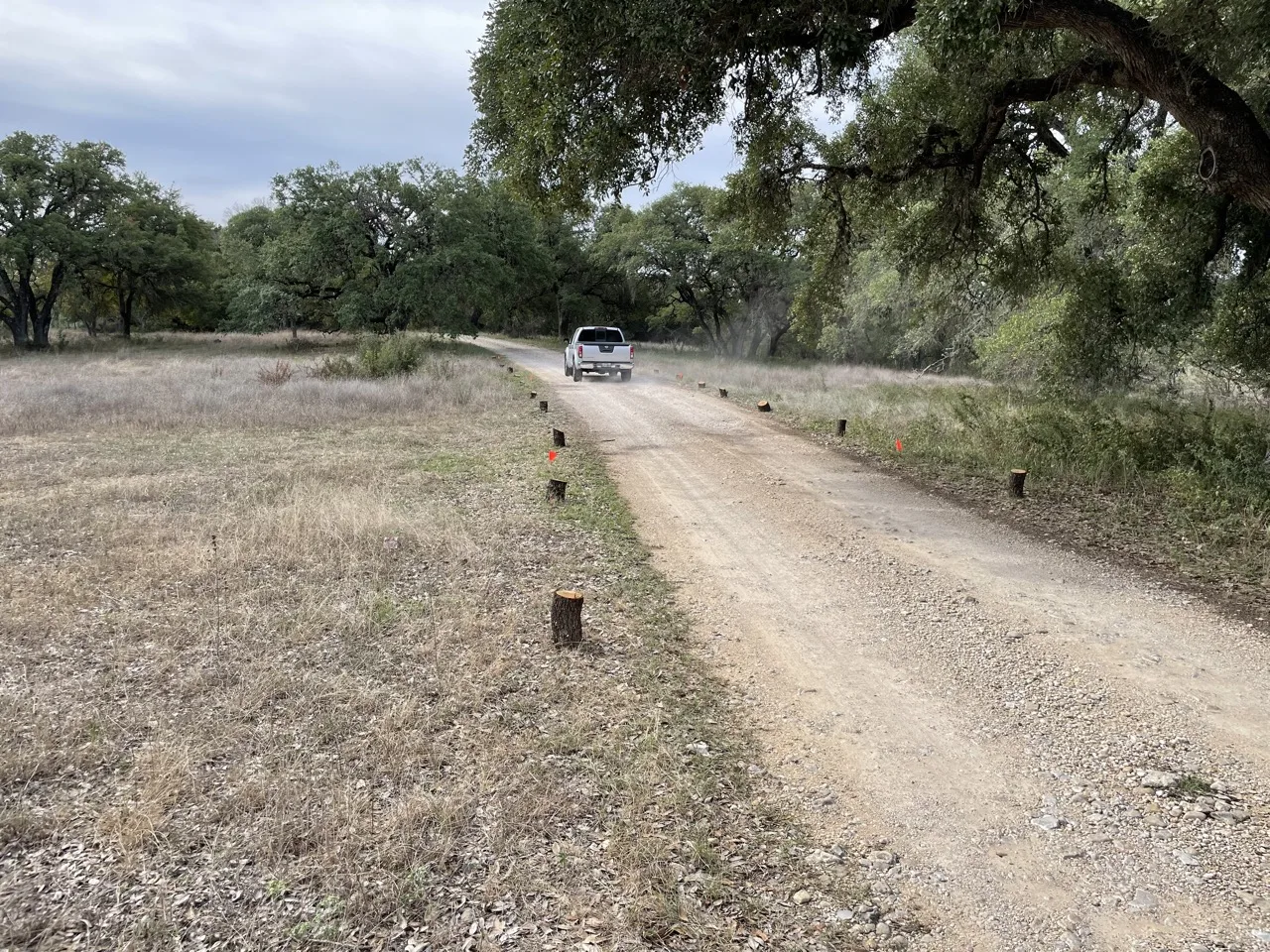
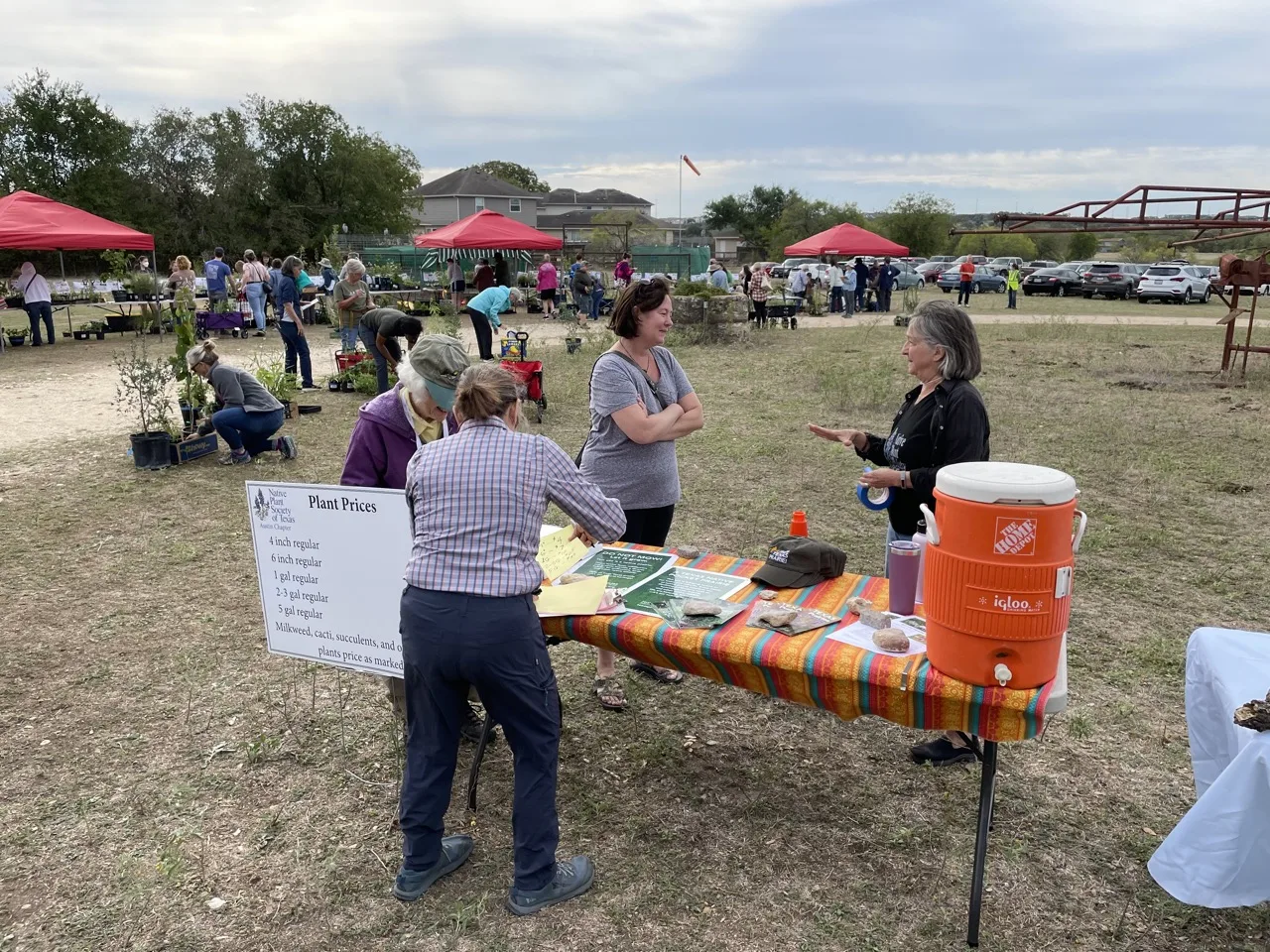
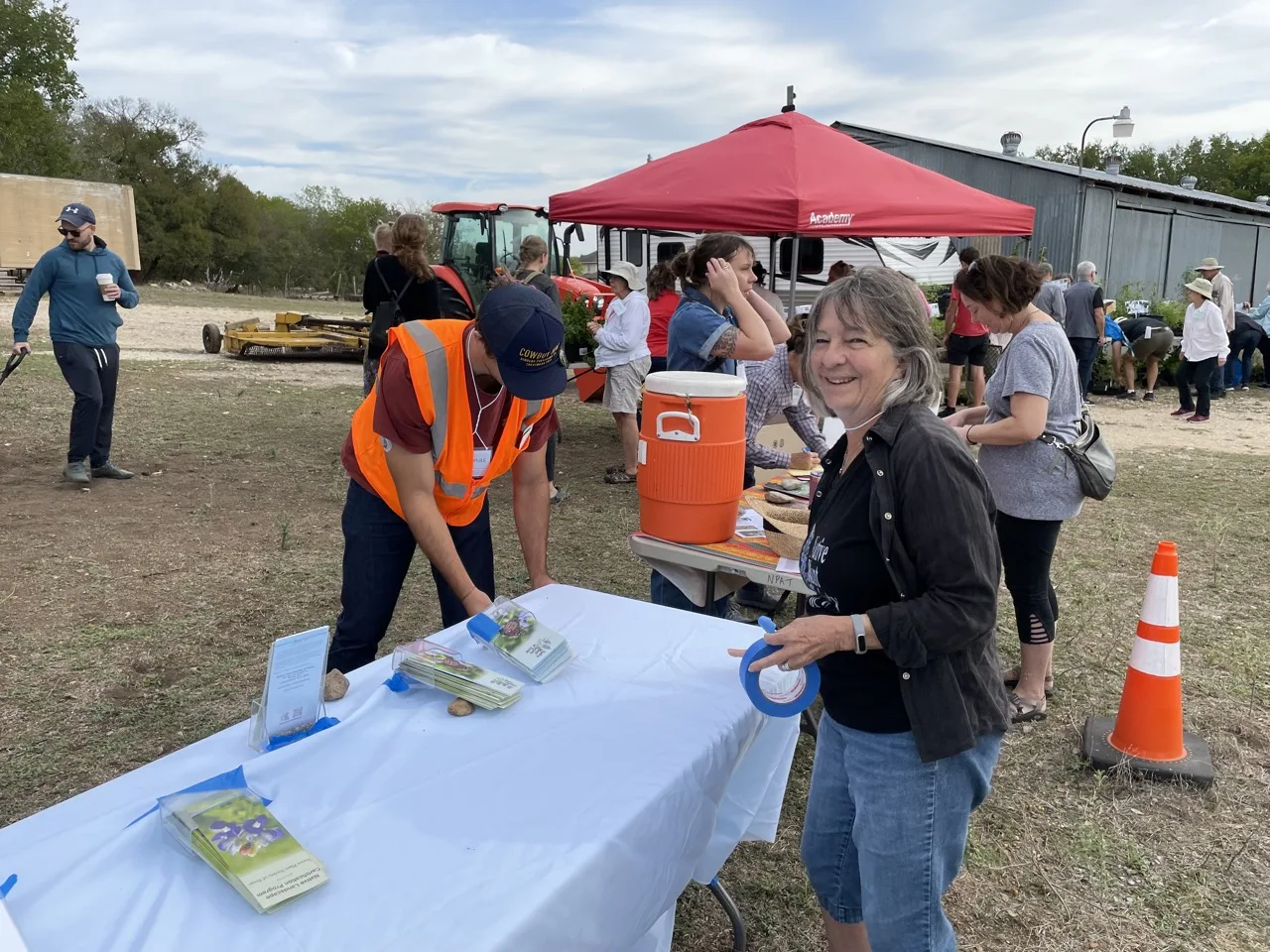
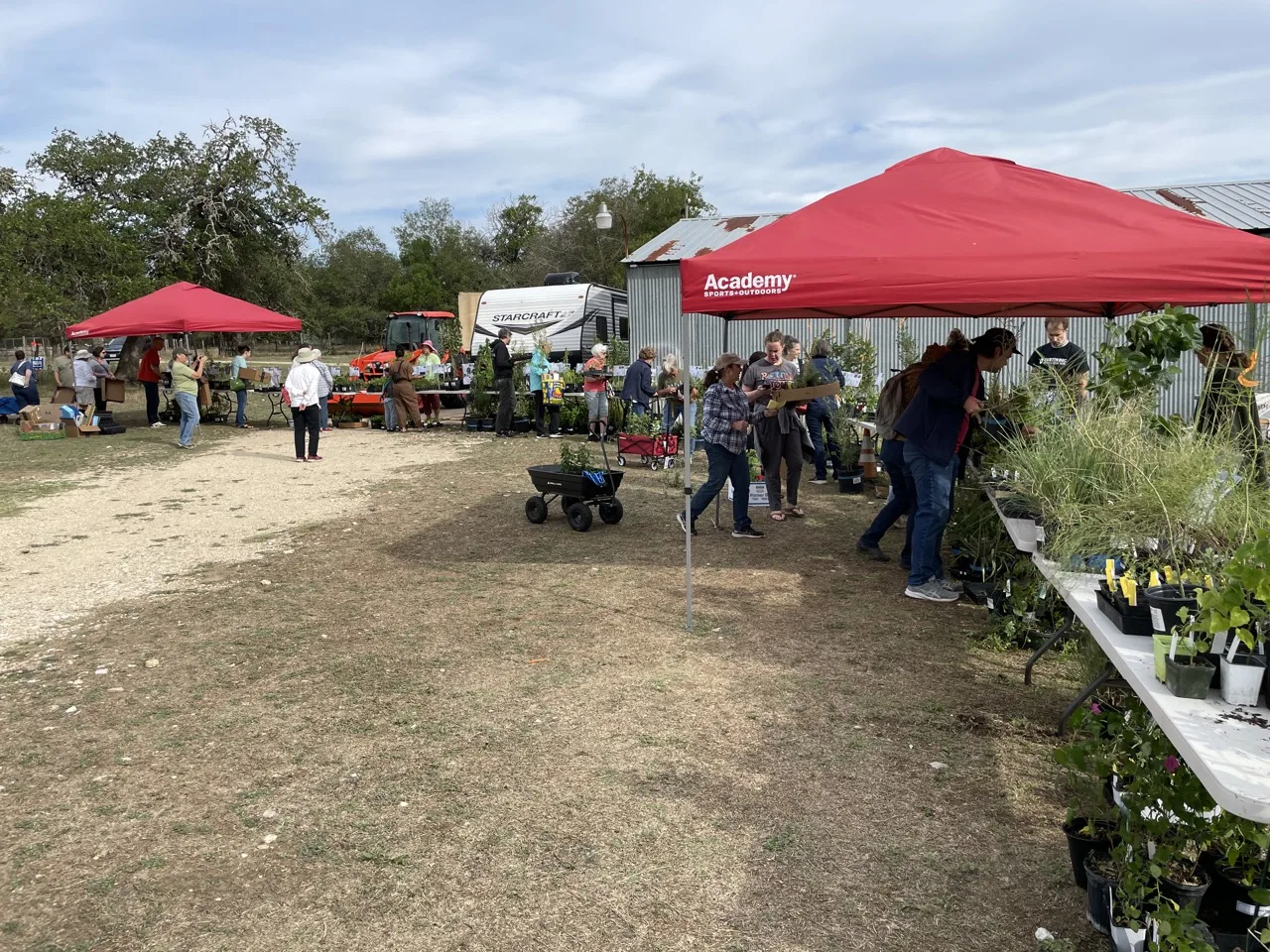
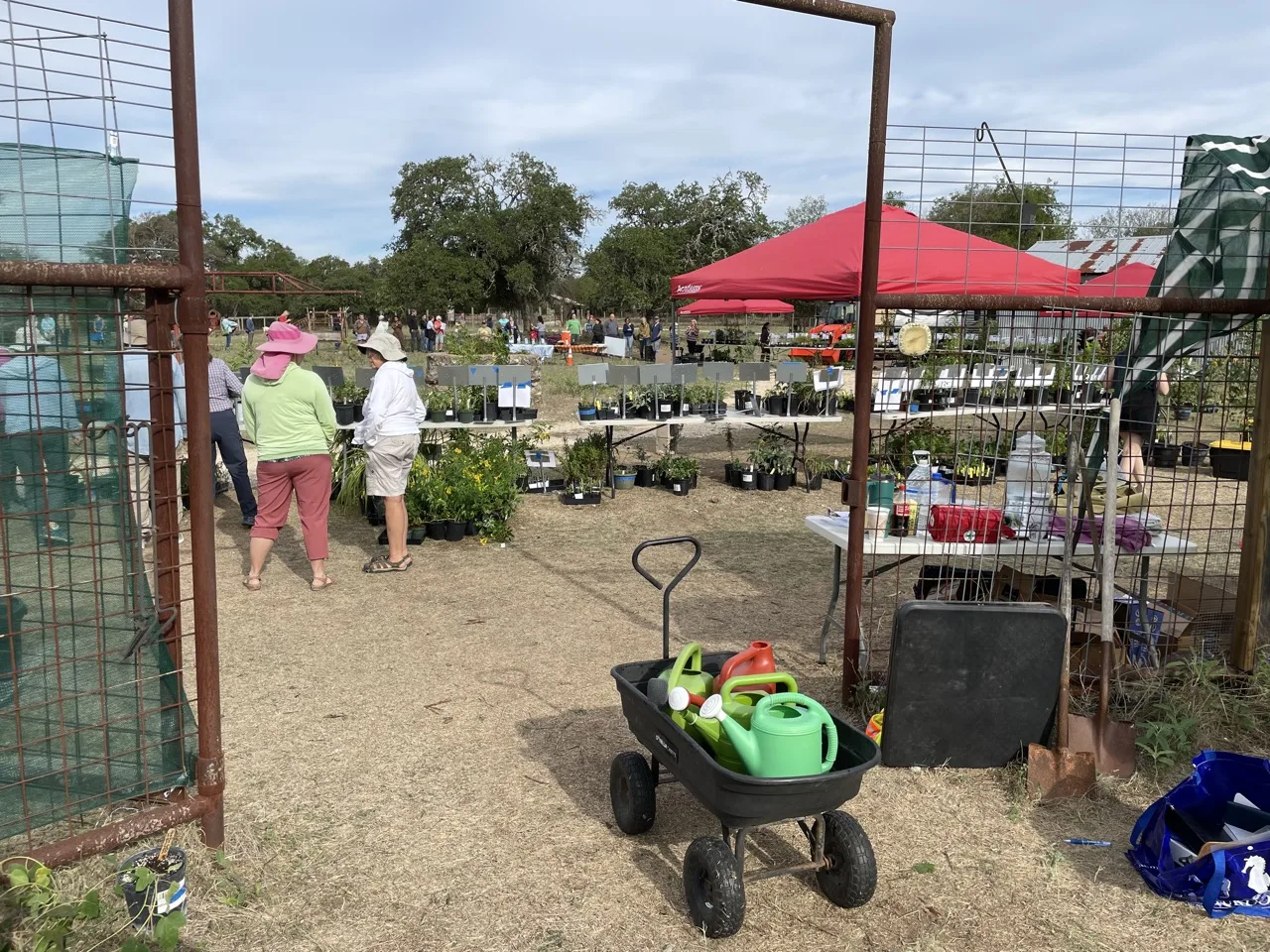
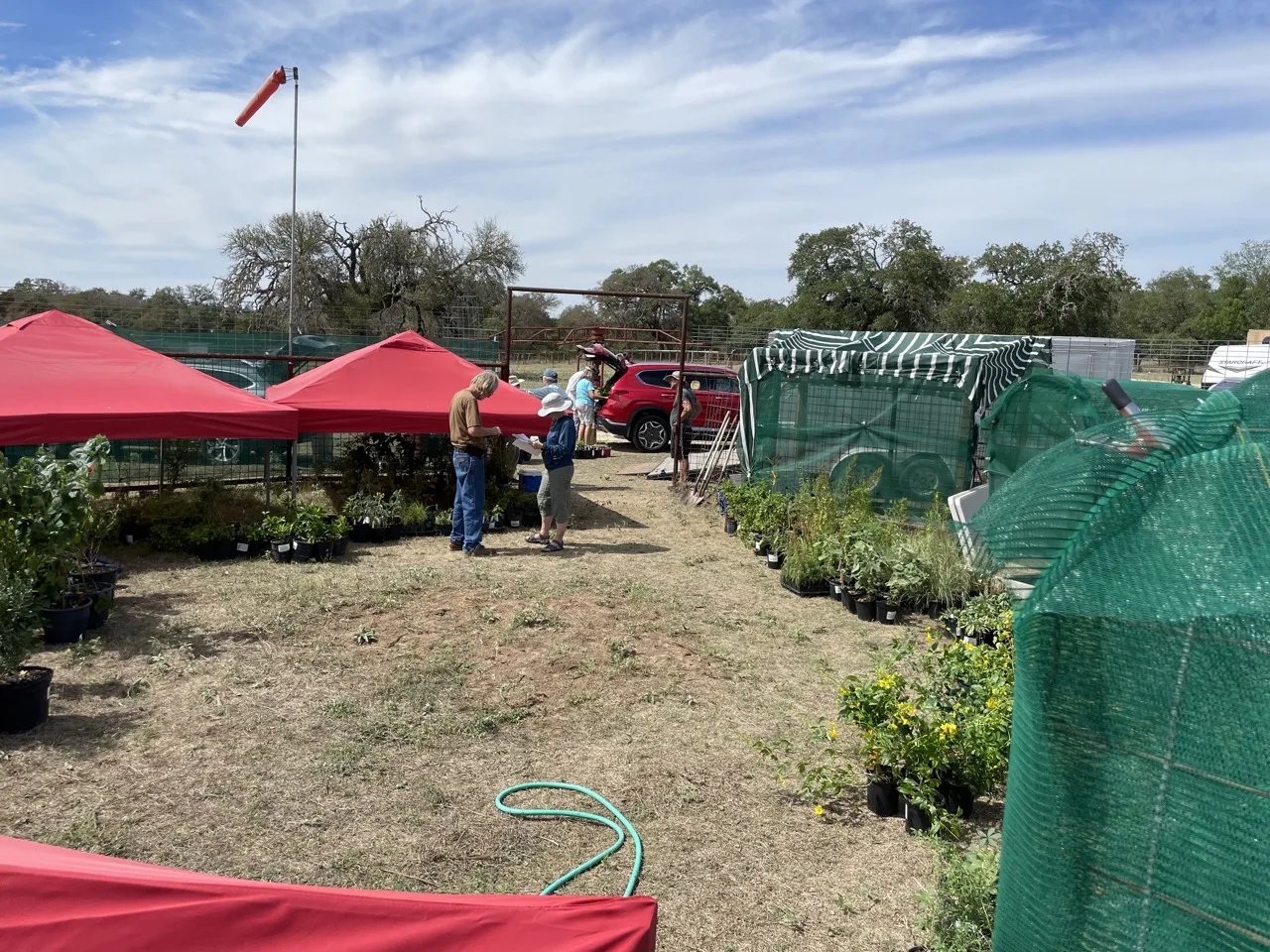
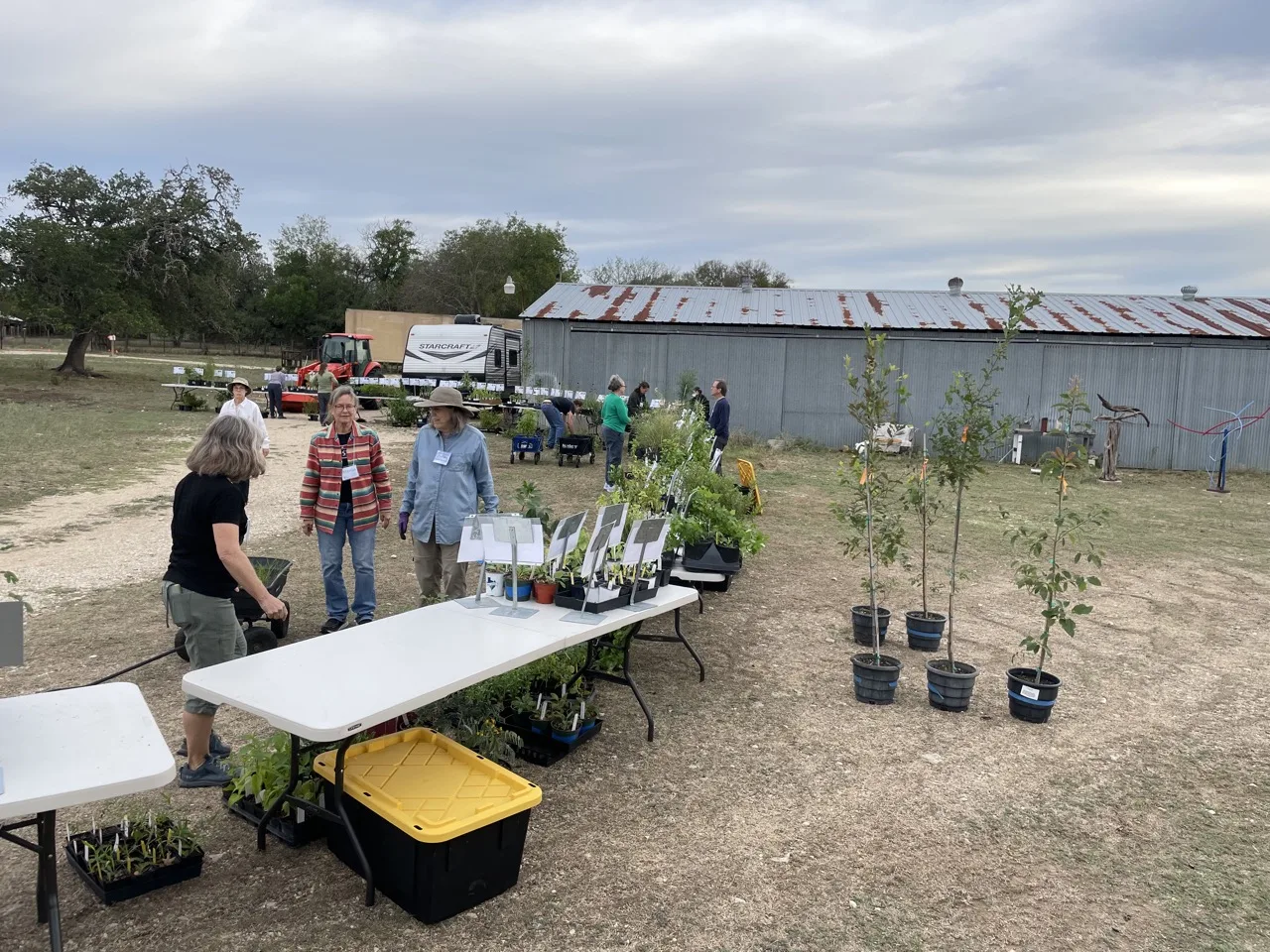
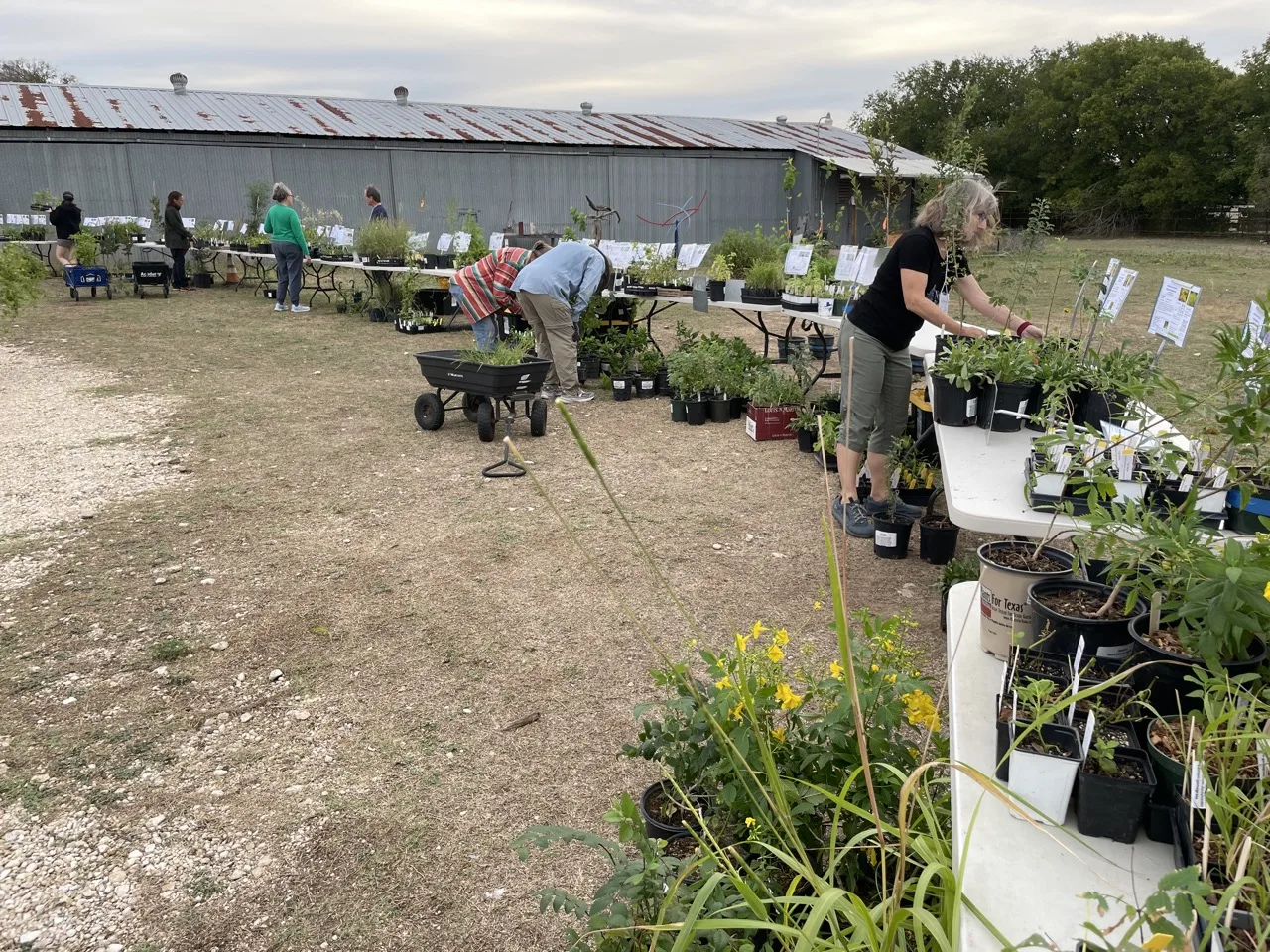
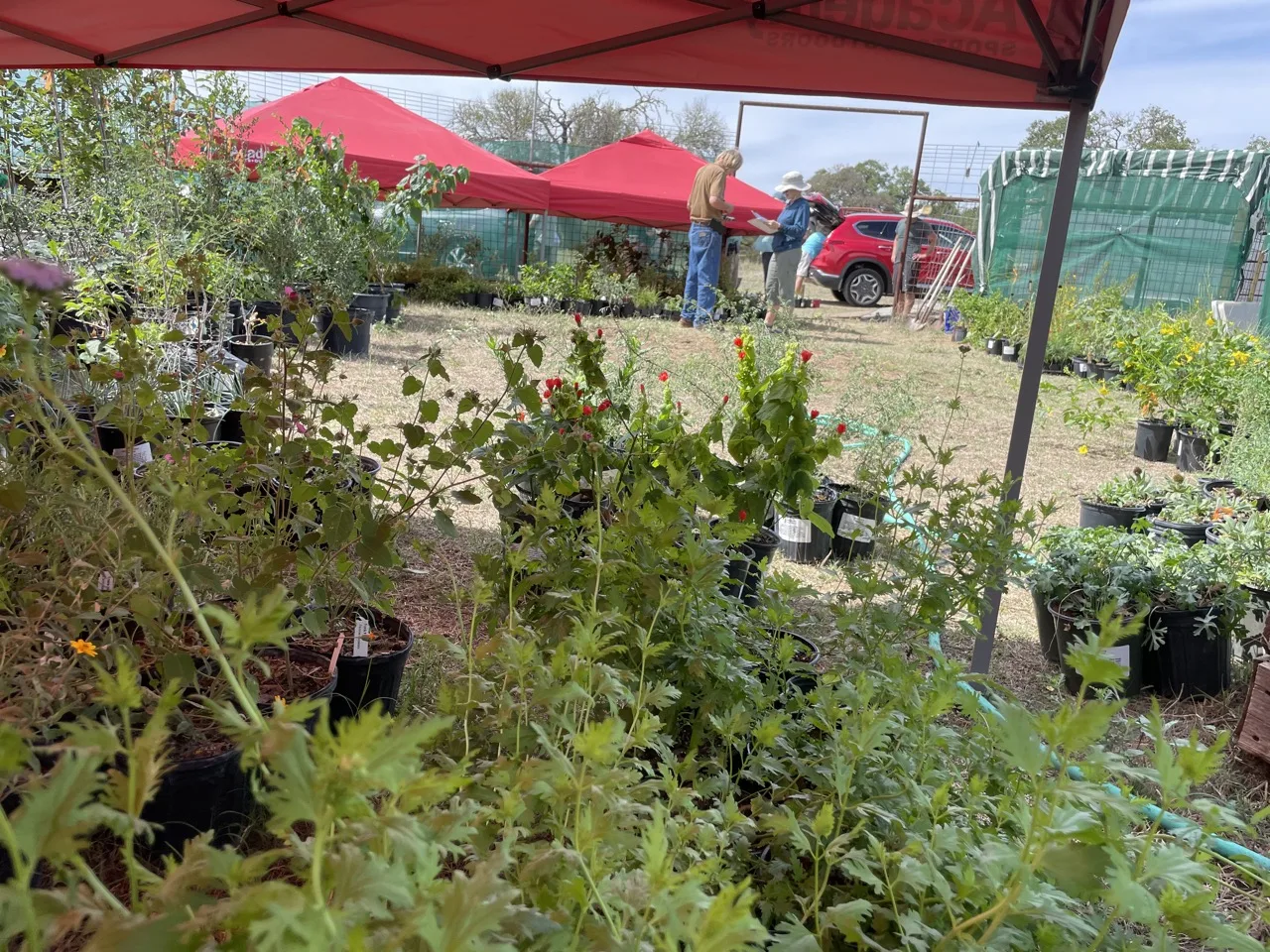
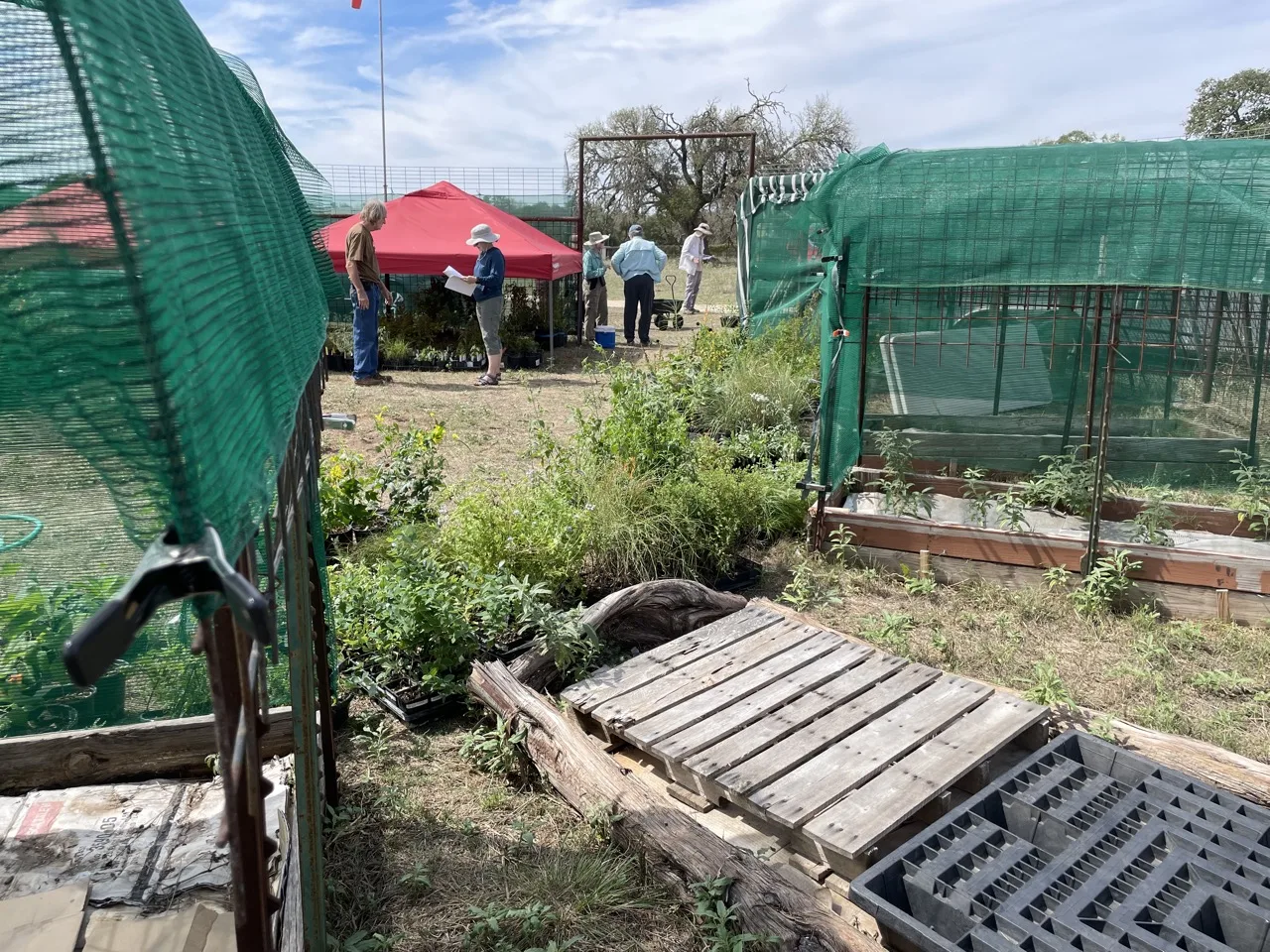
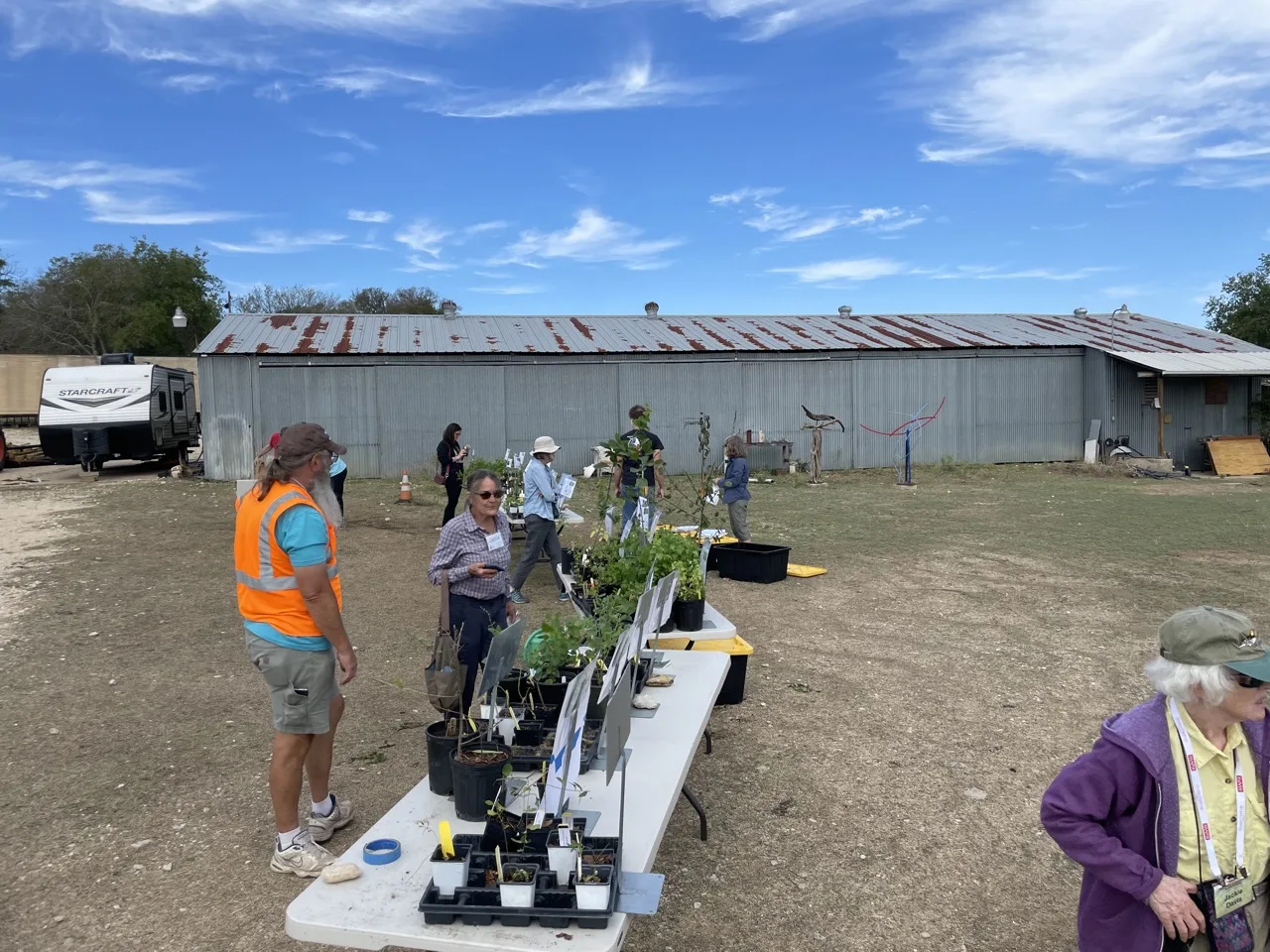
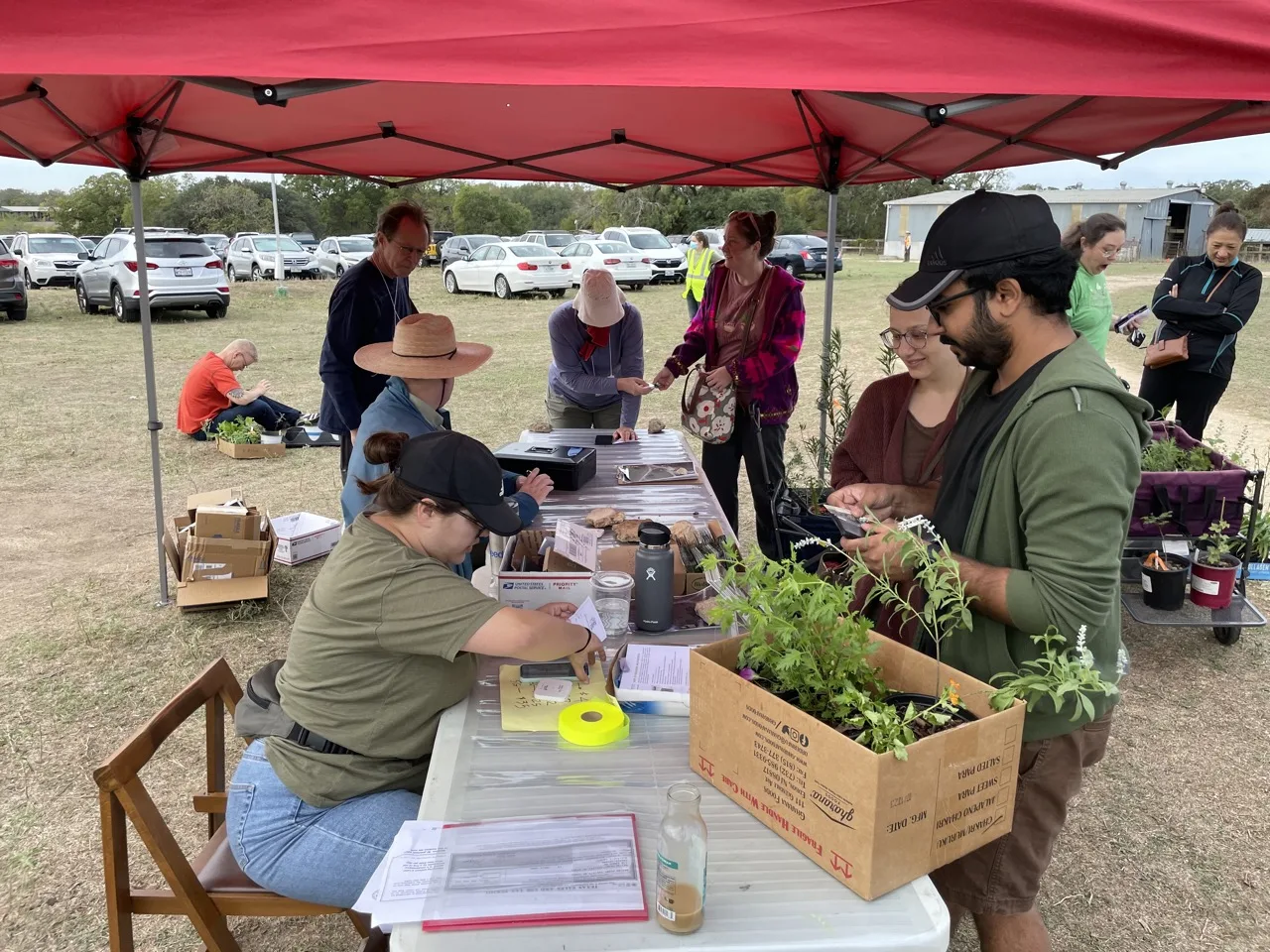
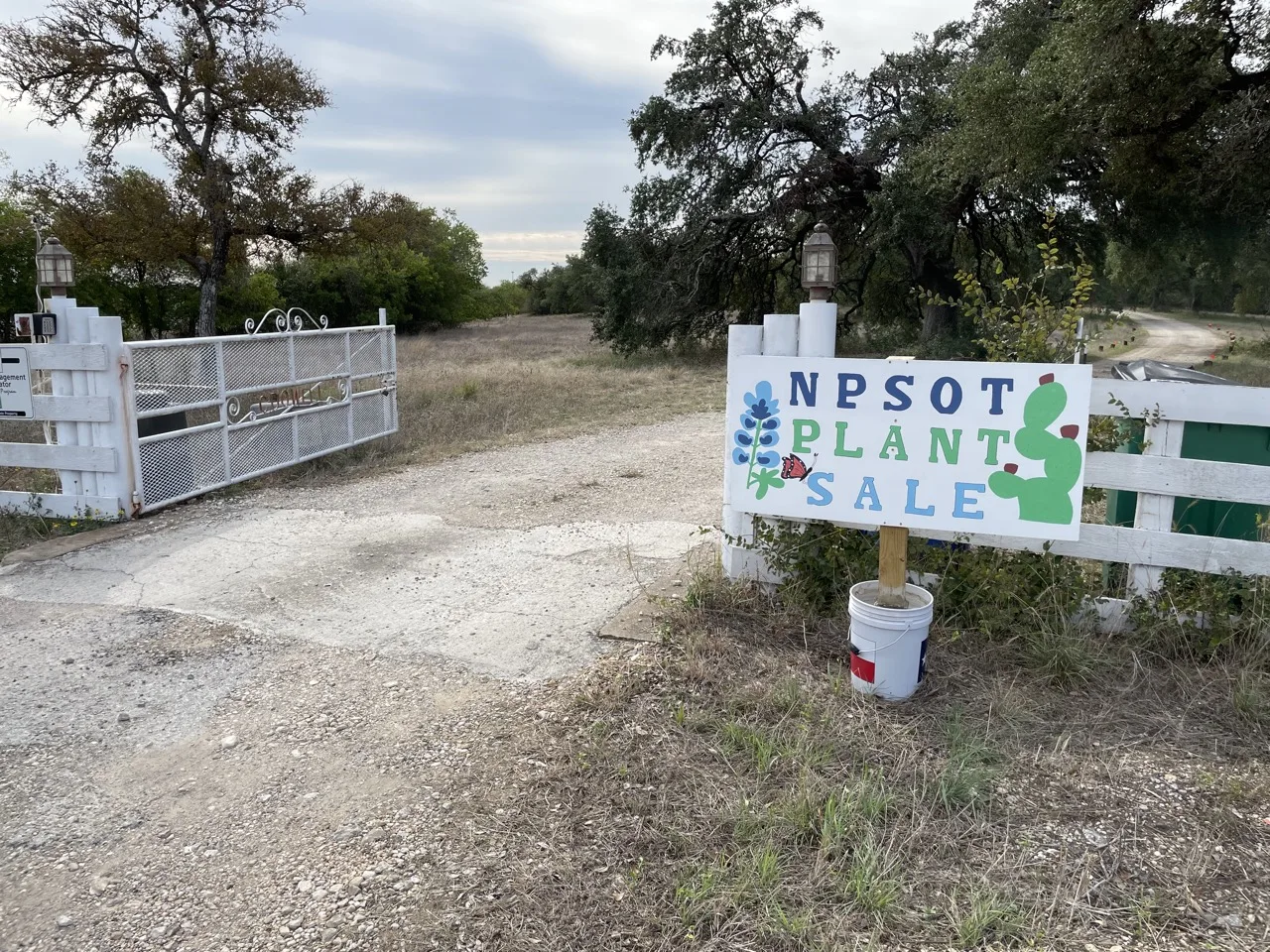
The Austin NPSOT Plant sale was on October 7, 2023 at Dowell Ranch, and was a great success! This was our first year at our partner NPAT’s property at Dowell Ranch, and the location was excellent, with ample parking right next to the sale area. The sales area was more spread out than in years past and it made the shopping experience much more pleasant.

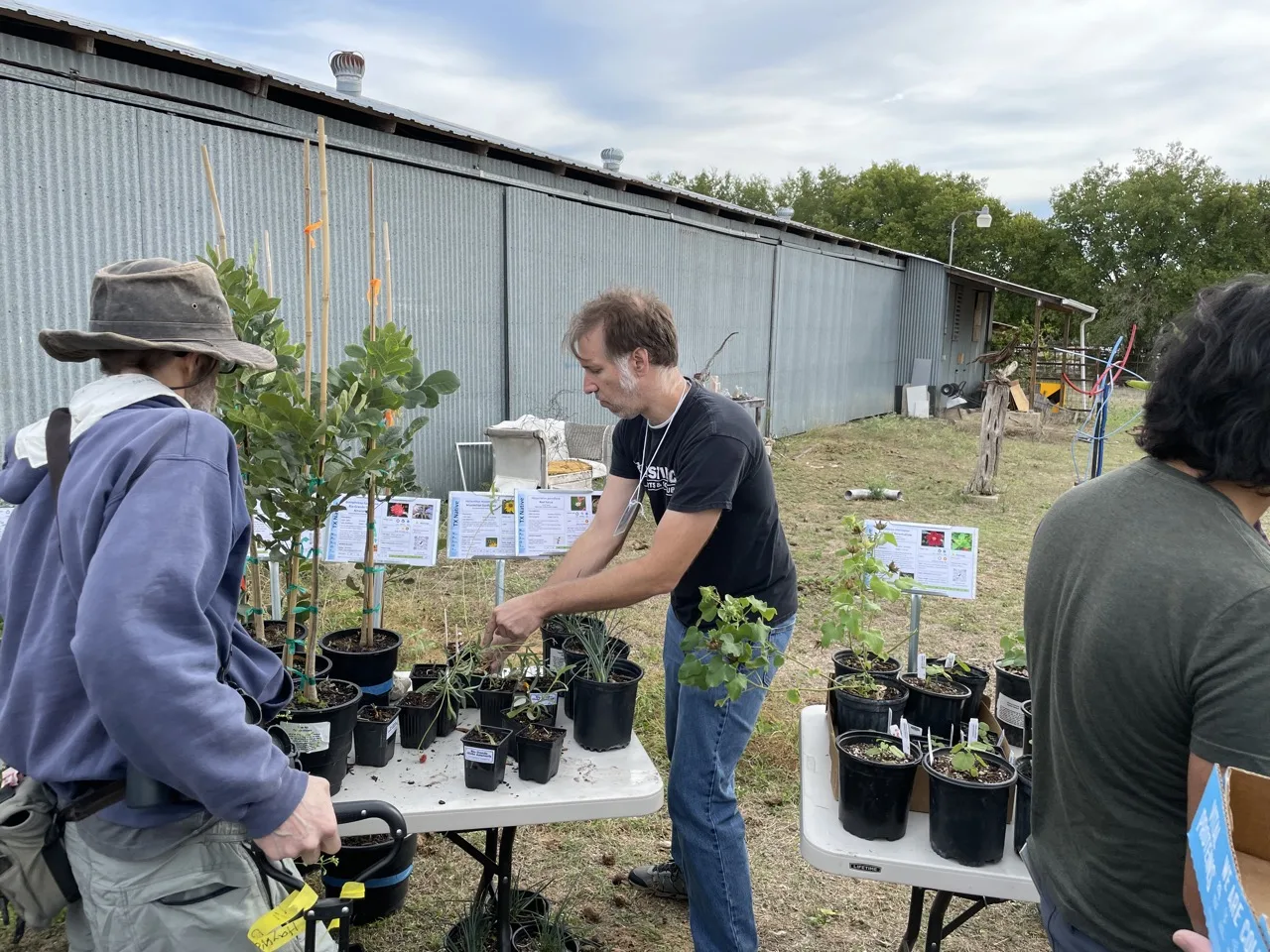
The folks growing our plants this year excelled, with over 150 different species of plants, including many unusual and uncommon varieties. The plant sale volunteer team had tables spread out in a semi-circle and were far enough apart to not feel crowded. It was easy to find plants because they were all arranged by botanical name and each had detailed signs with information about the plants.

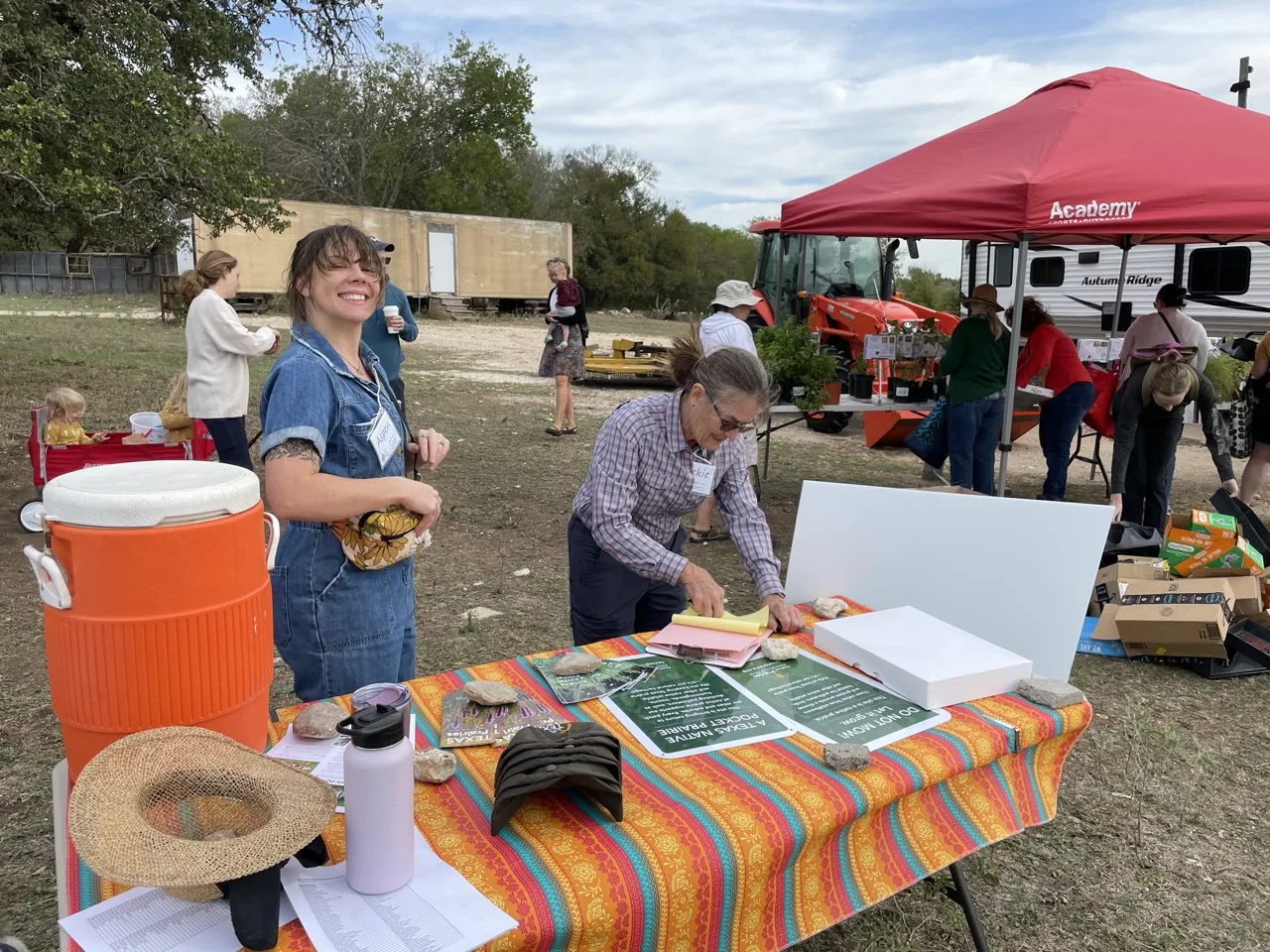
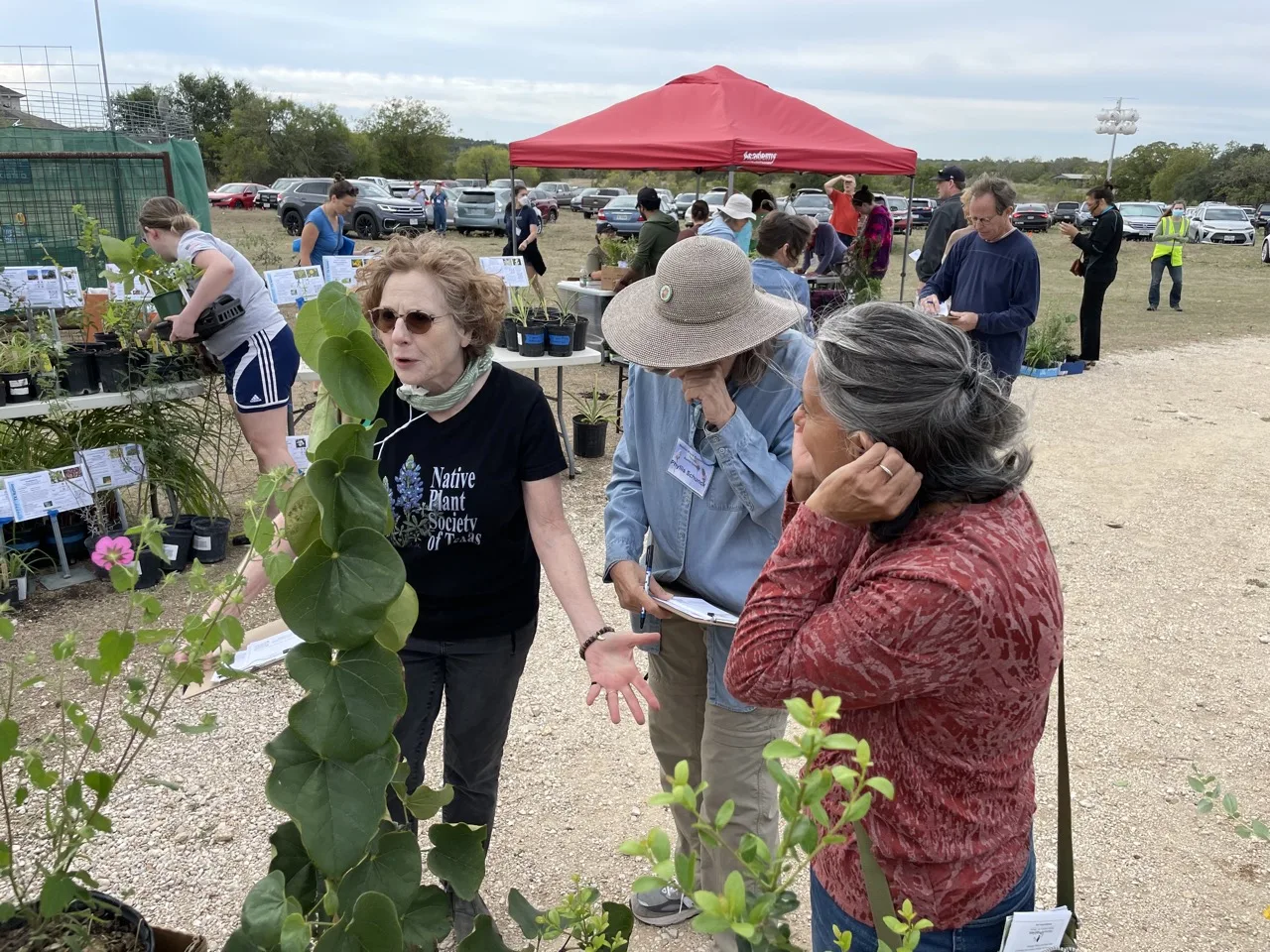
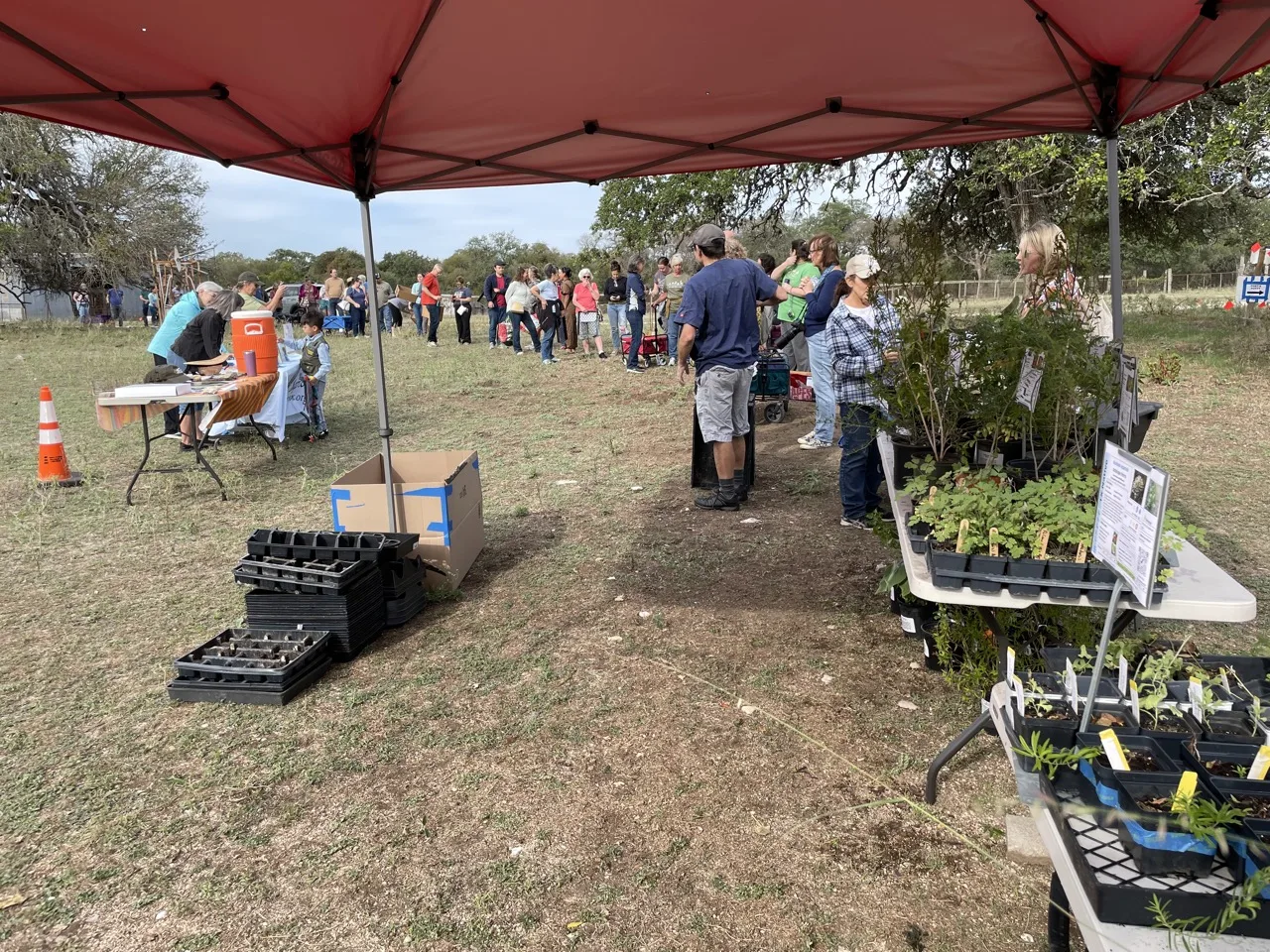
The line was long shortly after opening at 10 but moved quickly. All the improvements the plant sale volunteers made kept things moving along. Most plants were sold by 11:30 and the rest went quickly thereafter. Volunteers were always nearby to answer any questions about the plant selections, and they were heavily consulted.

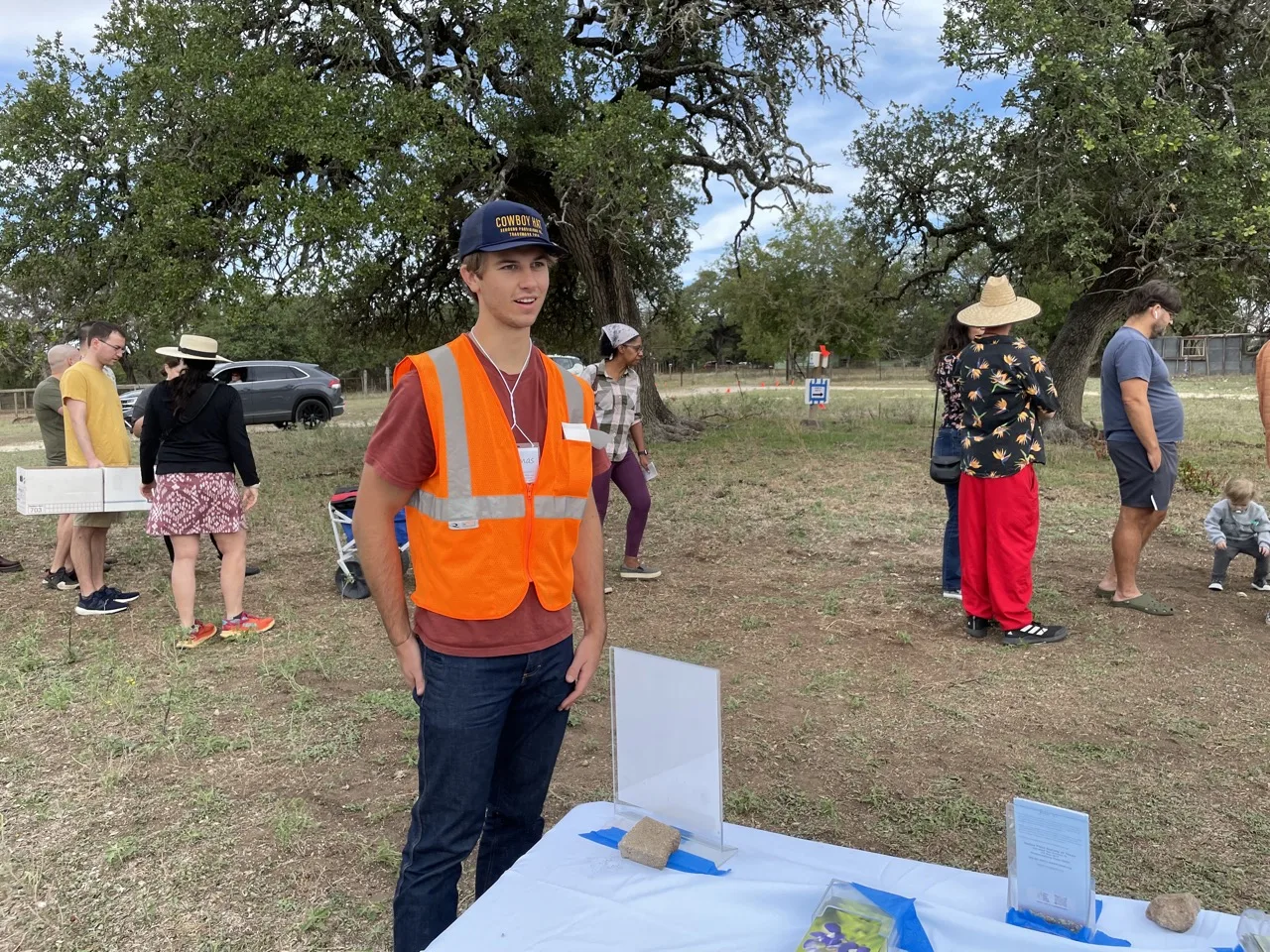
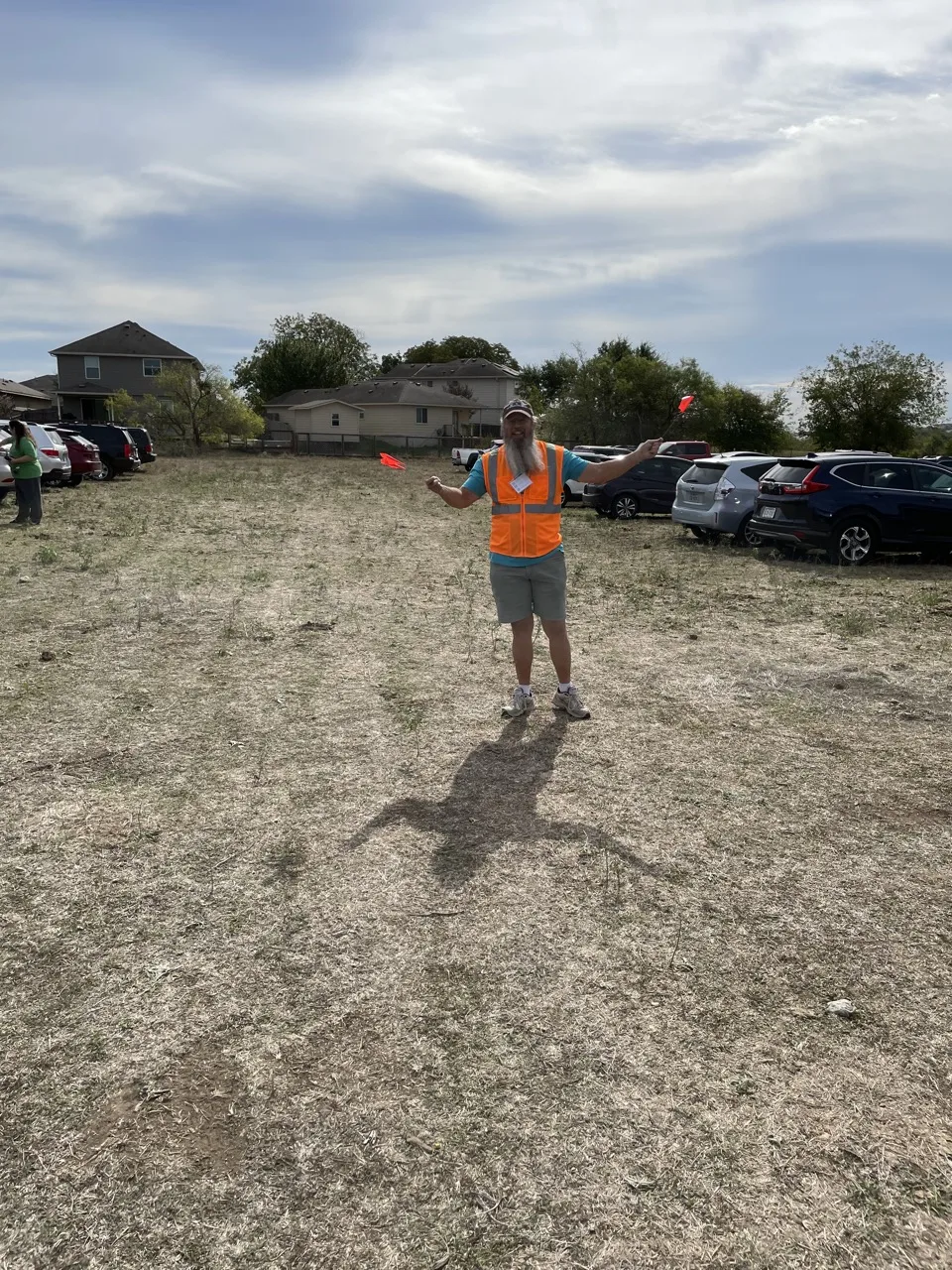
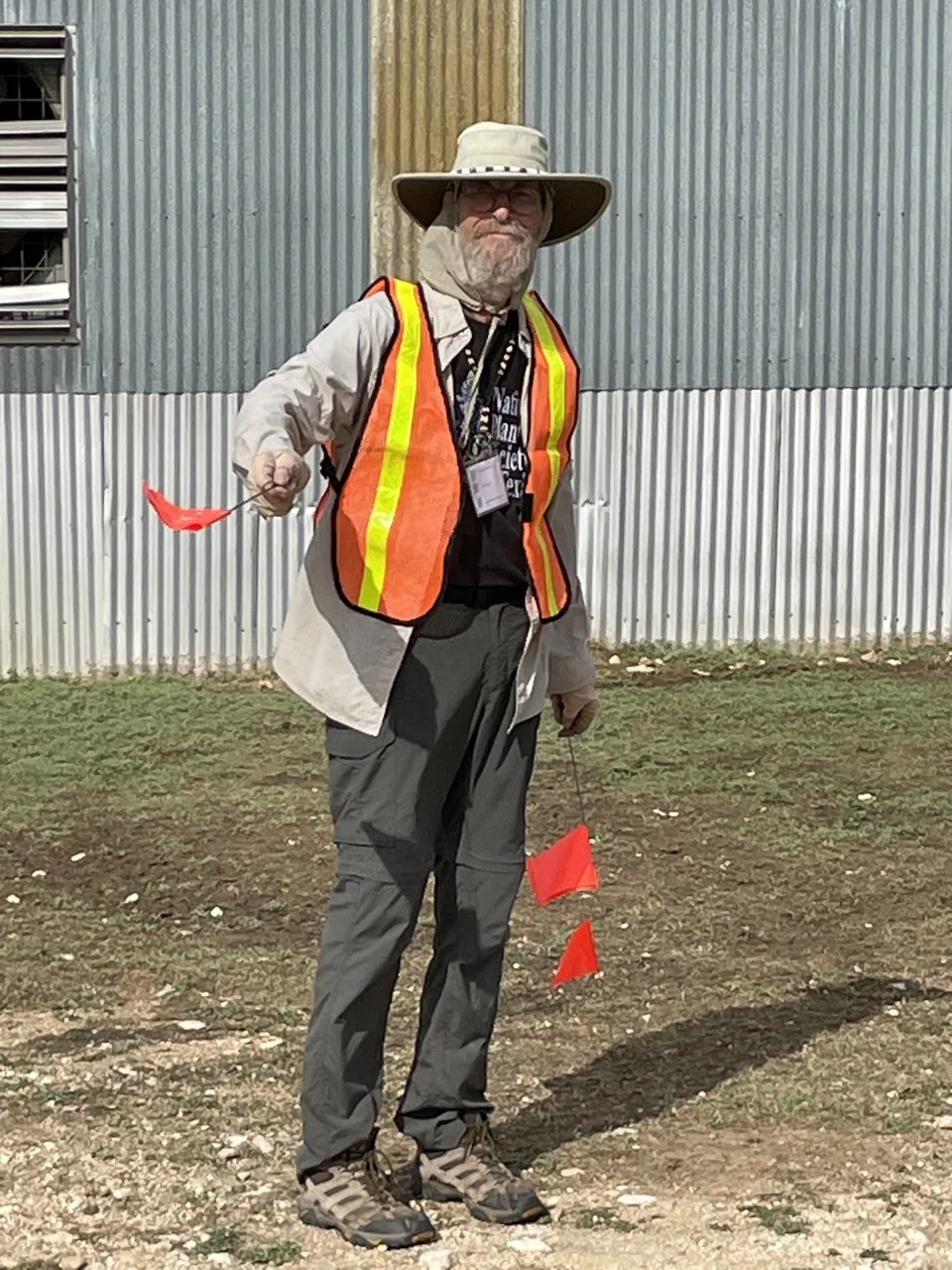
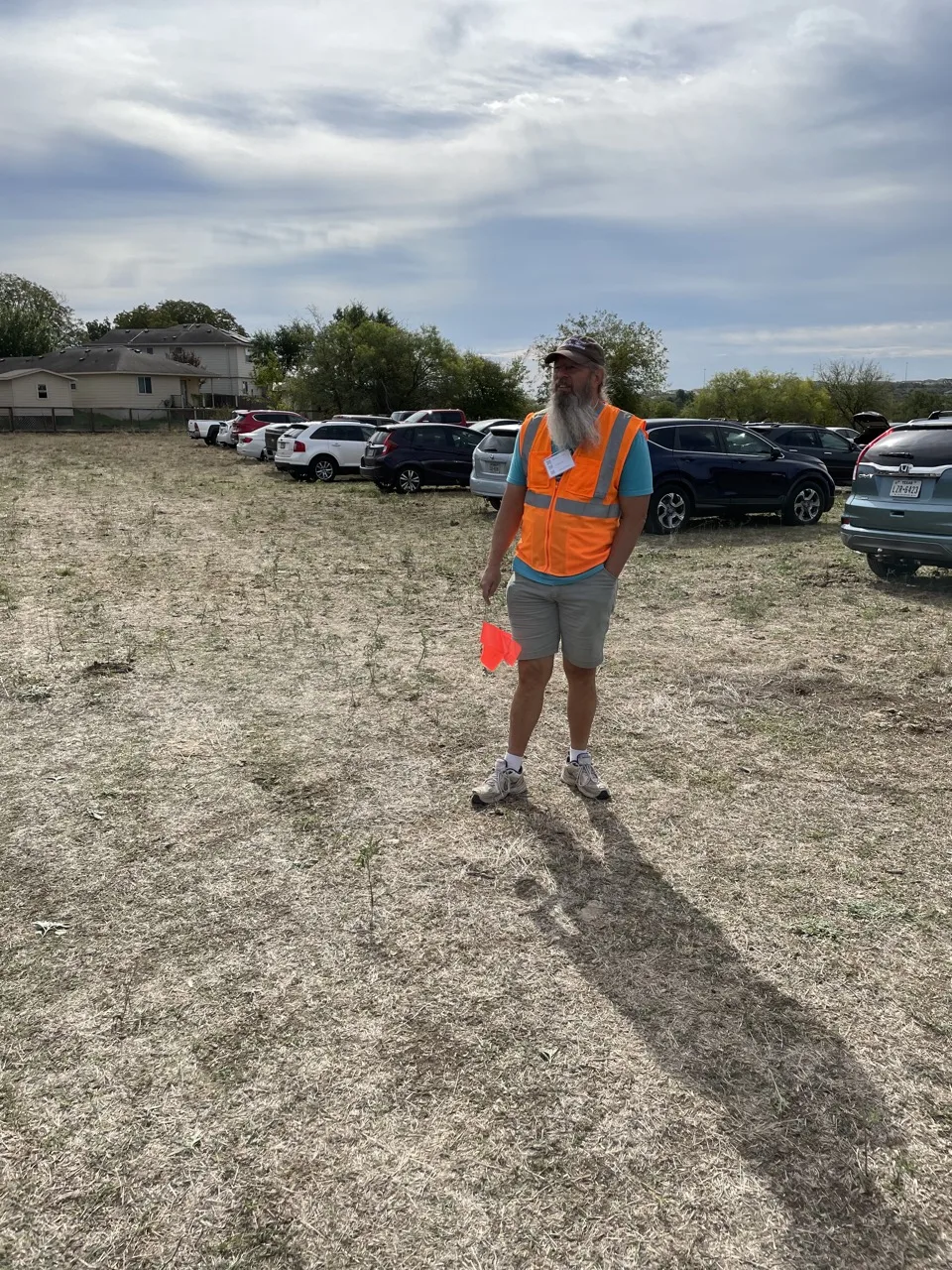
Thanks go out to the over 30 NPSOT volunteers who made this fundraiser a great success, led by Celeste Brancel, Thomas O’Donnell, and Aspen Huebner. The team worked for 6 months to prepare the venue, plants, volunteers, and all the logistics to make this event the great success that it was.

About the Region

2026 Fall Symposium Logo

This low-elevations region of Texas extends inland from the barrier islands, about 60 or so miles, and stretches from Brownsville to Louisiana. In total, it covers about 9.5 million acres, with a high point of 150 feet in elevation. More than 1000 species of plants can be found in this region. On the southern end, species more common in Mexico (such as Sabal mexicana) and Central America occur.

The barrier islands provide us with dune systems, and clay flats to the inland side, which have species found in these areas alone. Many plants here, such as Ipomoea pes-caprae (beach morning glory), can be found throughout tropical regions of the globe. I’ve encountered the same species on the beaches of Guam.

Once inland, vast marshes and wet prairies occur. Occasionally, oak (Quercus fusiformis) groves can be found. Common grasses include species of Bothriochloa, Paspalum, and Sporobolus; eastern gamagrass (Tripsacum dactyloides); and switchgrass (Panicum species). Many rivers and creeks cut through the Gulf Prairies, and along these riparian areas various species of trees, Sabal minor, and other plants adapted to clay soils can be found. Due to overgrazing, farming, and fire suppression, woody species such as mesquite (Prosopis glandulosa) and huisache (Acacia farnesiana), and invasive species such as chinaberry (Melia azedarach), Brazilian pepper (Schinus terebinthifolius), and Chinese tallow (Sapium sebiferum) have increased and displaced our native flora.

Source: Wildflowers of Texas by Michael Eason