

Paula Stone for the Fredericksburg Chapter of Native Plant Society of Texas
Find out how to make your landscape maintenance easier by choosing the right layout, the right style and the best plants for your area at the next meeting of the Native Plant Society of Texas (NPSOT), Fredericksburg Chapter on April 23 from 6:30-8 p.m. at St. Joseph’s Halle.
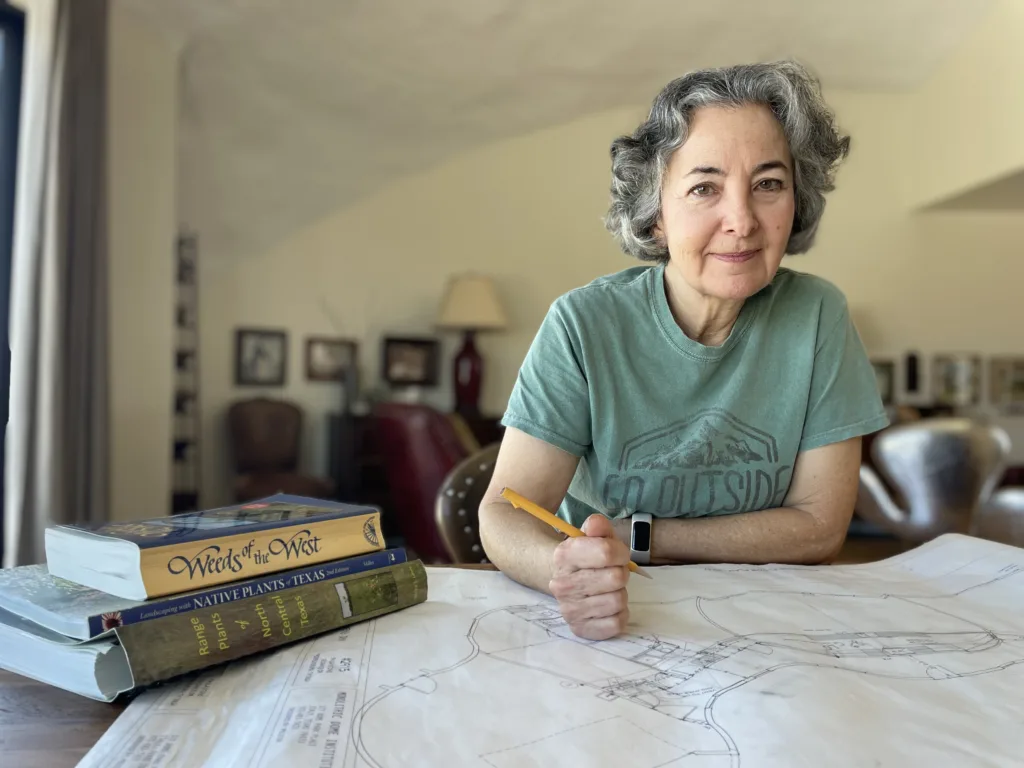
Over the last 15 years, Stone has tried various plants and gardening techniques to deal with the caliche soil, lack of rainfall, excessive heat, and occasional ice storm that are common to Gillespie County. Her presentation will take that all into account as she describes what’s needed in an easy-to-maintain native landscape. Stone hopes that people new to gardening in the Hill Country will benefit from the many tips she will be sharing.
“I’ll show you practical ways to build gardens that will enhance your property and be less work as time goes by,” noted Stone. “I once heard someone say that, ‘The gardening should get easier as the gardener gets older.’”
Stone is a three-term past president of the NPSOT Fredericksburg Chapter, and has been gardening in Fredericksburg since purchasing her property in 2009. Stone bought and restored a historic stone home on the edge of Fredericksburg and took the property from being so derelict that the realtor wouldn’t go inside to being on the 2012 Historic Home Tour. The 10 acres surrounding the house were in equally horrific condition, having been an exotic game farm/puppy mill that had “every conceivable weed that will grow in the hill country” says Stone. She recently built a dome home on the property and is designing the landscape that will surround it.
The chapter holds its monthly meetings on the 4th Tuesday of the month at St. Joseph’s Halle (212 W. San Antonio St., Fredericksburg). There is a social time at 6:30 p.m. and the meeting starts at 7 p.m. The public is invited to attend in person and via online streaming (www.youtube.com/@fredericksburgtexasnativeg4884). More information is online at Facebook (@fbgtxnpsot), Instagram @npsot_fredericksburg_chapter, and https://npsot.org/chapters/fredericksburg/. Meetings are open to the public.
