

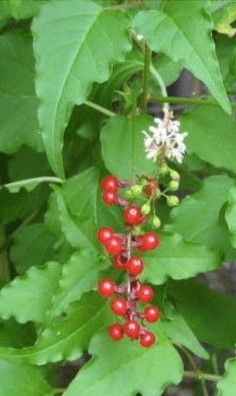
NICE Summer 2026 Plant of the Season
Pigeonberry (Rivina humilis L.): Perennial ground cover for shade Description: Pigeonberry (Rivina humilis L.), also called Coralito, or Rouge Plant, is native to the southern
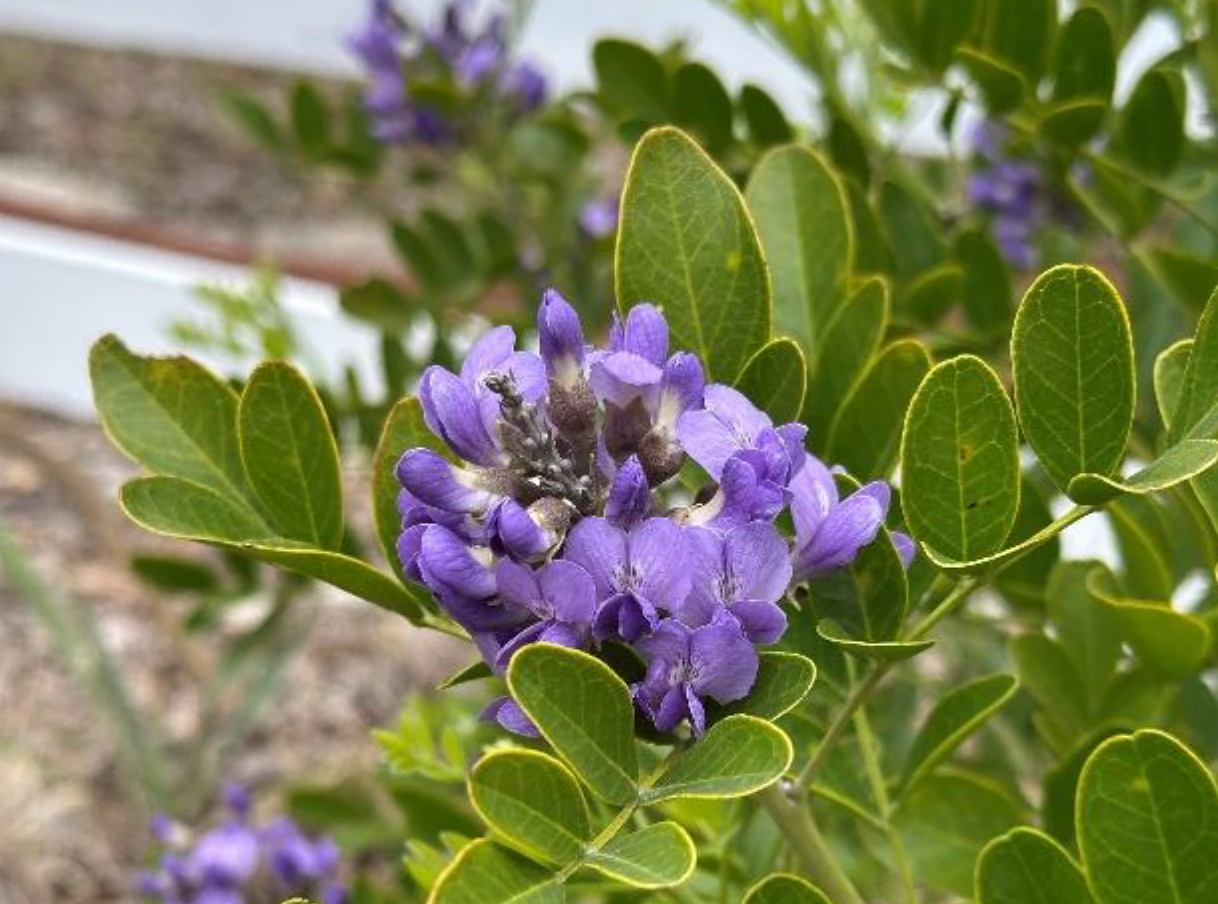
NICE Spring 2026 Plant of the Season
Texas Mountain Laurel Calia secundiflora (Sophora secundiflora): Evergreen shrub or small multi-trunked tree Description: Texas Mountain Laurel, Calia secundiflora (Sophora secundiflora), is a slow growing

A Renewed Commitment to Monarchs and to the Future
The volunteers of the White Settlement Monarch Waystation were recently honored with a formal proclamation from Mayor Faron Young, reaffirming the City of White Settlement’s

Spring Plant Sale May 2, 2026
When: Saturday, May 2, 2026 Where: Randol Mill Park Pavilion, Arlington TX Time: 10:00 am – 12:30 pm Many of our chapter members are providing
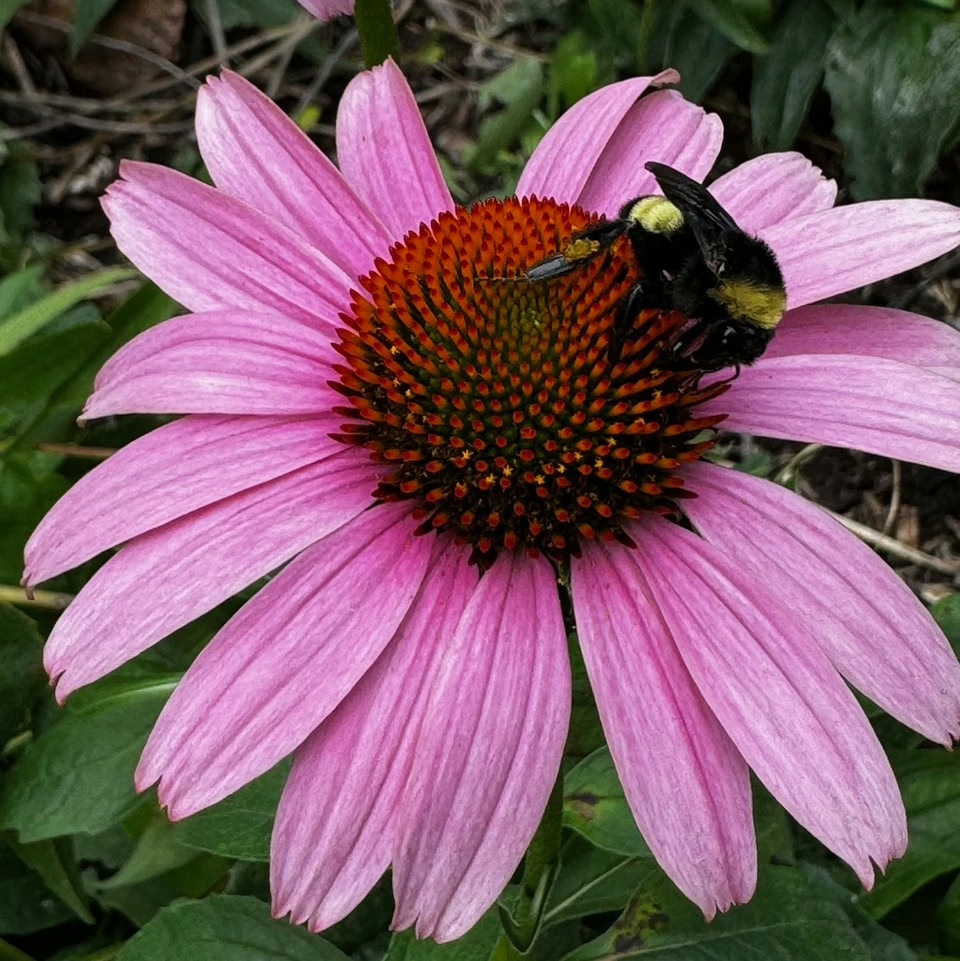
North Texas Giving Day
North Texas Giving Day runs August 28 through September 18, 2025. Every dollar you give helps us plant seeds of change—literally and figuratively. Whether you’re
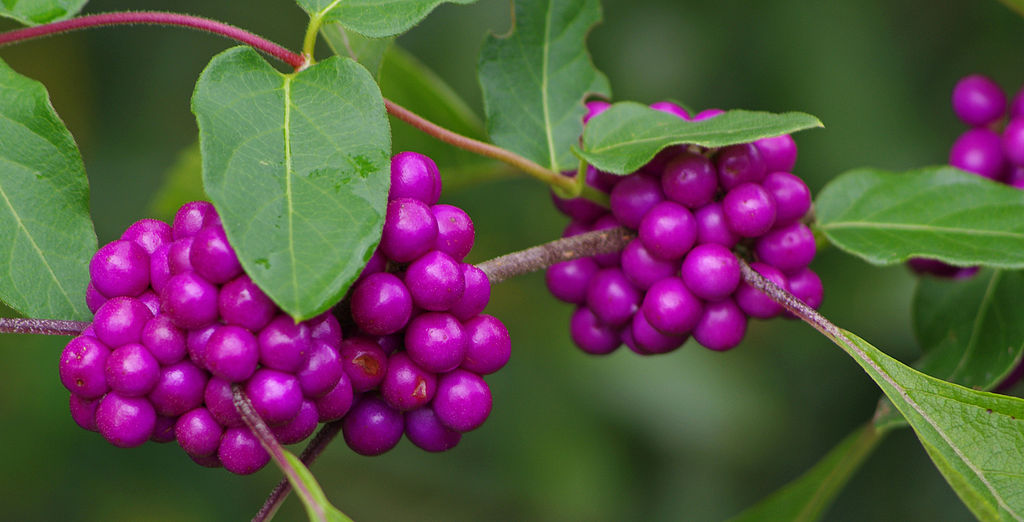
NICE Fall 2025 Plant of the Season
American Beautyberry (Callicarpa americana): Shrub for partial shade Description: American Beautyberry is an interesting and beautiful ornamental shrub, suitable for a shade or sun garden.
NICE Summer 2025 Plant of the Season
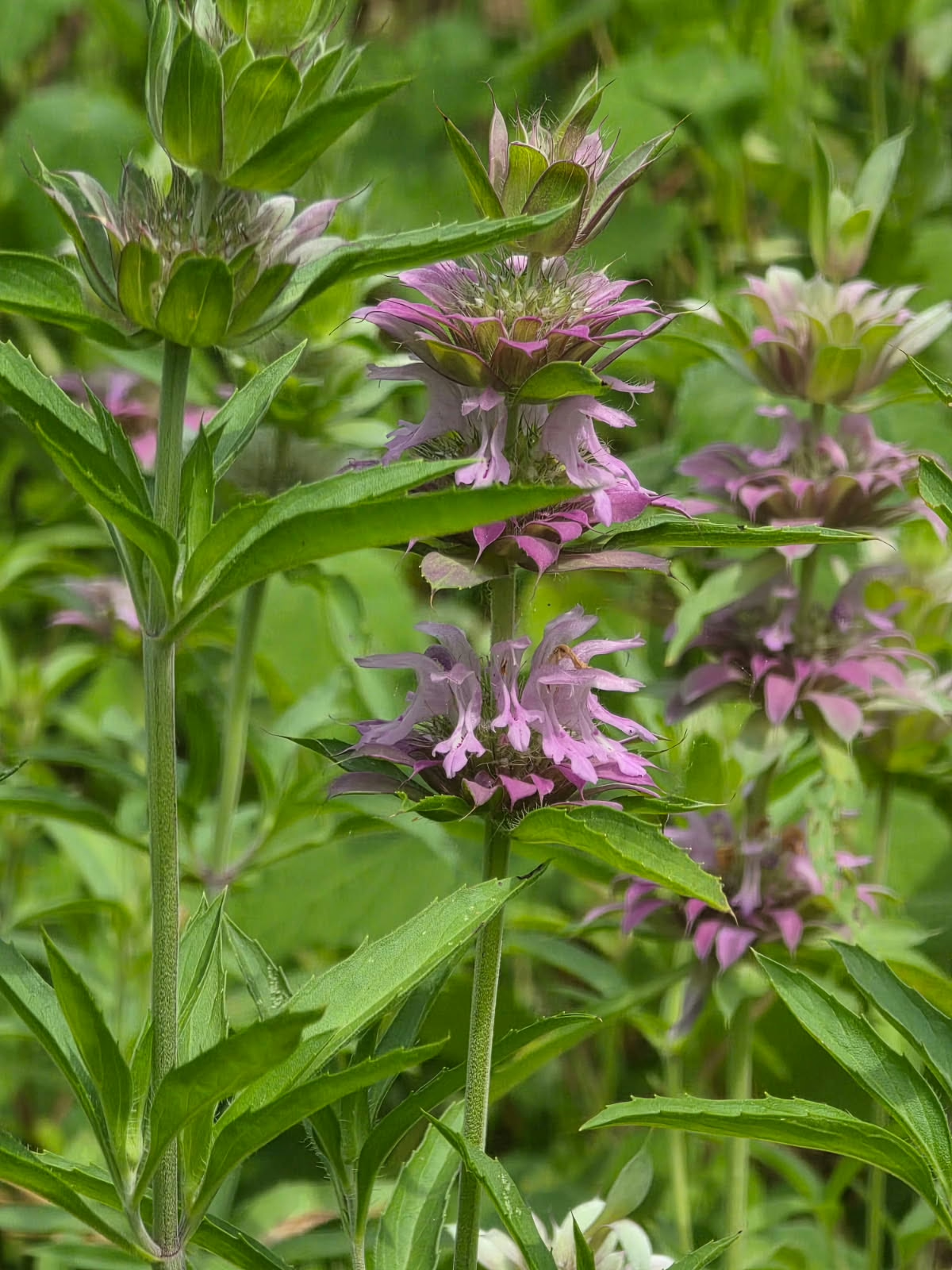
Lemon Beebalm: Annual Wildflower with Medicinal Uses Monarda citriodora, is a hardy, annual wildflower found in sandy or rocky soils in prairies and meadows and

NICE Spring 2025 Plant of the Season
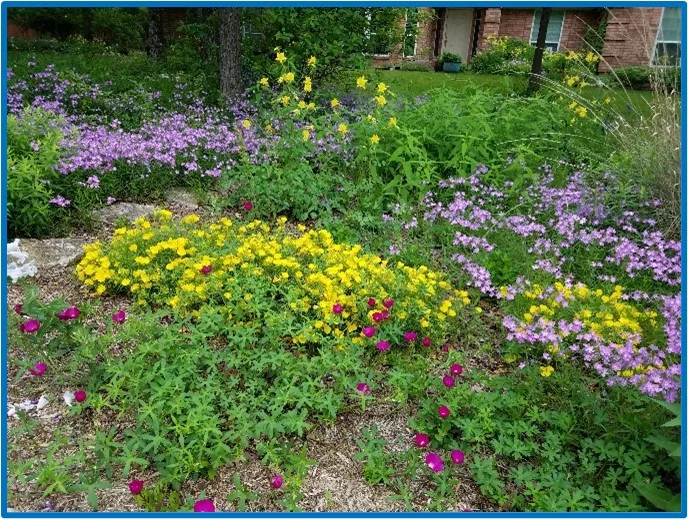
Fragrant Phlox (Phlox pilosa) Perennial spring blooms that attract butterflies.Phlox pilosa, called Fragrant Phlox, Downy Phlox or Prairie Phlox, is found in north central Texas,
Spring Plant Sale May 3, 2025
When: Saturday, May 3, 2025 Where: Randol Mill Park Pavilion, Arlington TX Time: 10:00 am – 12:30 pm Click here to sign up to volunteer
