

Amendment proposed to nominations
**ARCHIVED POST ** During the Annual Meeting in Corpus Christi on October 19, a motion was made to amend Section 2 B of the Bylaws by splitting Article 1 into two articles as follows and renumbering the succeeding articles accordingly. The purpose of the change is to improve the efficiency
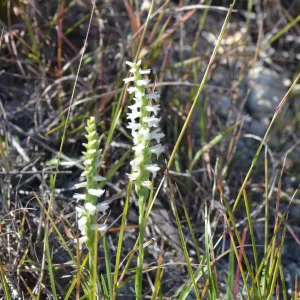
Surprising Hill Country Beauties
By Delmar Cain by Delmar Cain – Boerne Chapter, Native Plant Society of TexasPublished in the Boerne Star on November 22, 2013 Hill Country Orchids! Does that sound like an all girl western band from the 1990’s or a high school dance team? Of all the groups that it could
Which bumper sticker do you like best?
**ARCHIVED POST ** Last Summer the Native Plant Society chose a new slogan – Native Plants = Healthy Habitats. The new motto emphasizes that the mission of the Society includes conservation of native plant habitats in addition to native plants, and shows the interconnectedness of the two. We decided we wanted
Texarkana to host symposium
The Society will hold its next annual symposium in Texarkana on October 16-19, 2014.
Logo merchandise now available
**ARCHIVED POST ** We are pleased to be able to offer clothing and gift items printed with the Society logo. The items are sold directly through an online store and no inventory is available at the State Office. The store carries tee-shirts and sweatshirts in a variety of styles and
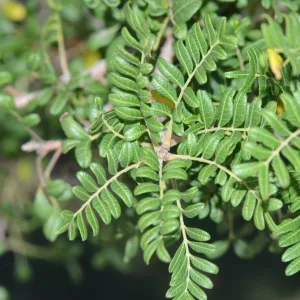
Plan Long Term—Plant a NICE! Tree
by Delmar Cain — Boerne Chapter, Native Plant Society of TexasPublished in the Boerne Star on November 8, 2013 It is the fall of the year, the weather is cooler and it is time to think about trees. Fall color presages falling leaves and rings the starting bell for falling
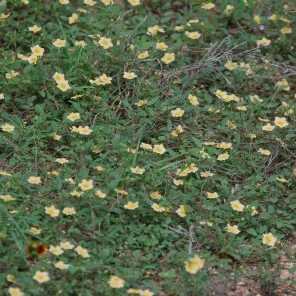
Paying Attention To Small Faces In The Crowd
By Delmar Cain by Delmar Cain — Boerne Chapter, Native Plant Society of TexasPublished in the Boerne Star on October 25, 2013 October is a wonderful time of the year, especially when there have been refreshing rains and cooler temperatures have arrived. Those plants that were solid performers during the
Awards presented at annual banquet
Excellence in writing, acts of conservation and public service, and lifetime achievements were recognized at our annual awards banquet in Corpus Christi.
Photo contest winners announced
Choosing winners in the Symposium 2013 Photo Contest was not easy.
New board takes office
At the Annual Meeting in Corpus Christi on October 19, the Native Plant Society of Texas installed new officers
Magazine seeks articles for Winter issue
The Society is soliciting articles for publication in our seasonal magazine’s Winter issue through October 31.
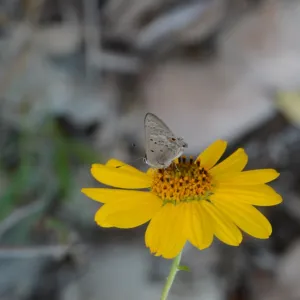
A Faithful Reader And A NICE! Goldeneye
By Delmar Cain by Delmar Cain — Boerne Chapter, Native Plant Society of TexasPublished in the Boerne Star on October 11, 2013 When you hear “goldeneye” what comes to mind? Do you think of fiction, fowl or flora? If you are a movie buff, you probably, think of the seventeenth
