

The benefits of going native
As water becomes scarce due to ongoing drought conditions, we are facing another problem – the loss of native plants and habitats.
Destination Corpus Christi
This year the annual State Meeting will be held in that sparkling city by the sea, Corpus Christi. Getting there is half the fun.
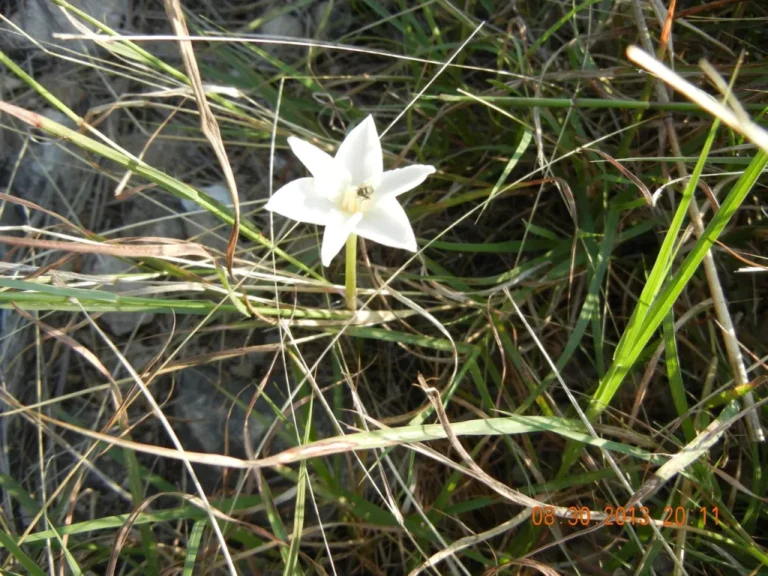
Opportunities And Surprises For The Season
By Delmar Cain A bit of rain, slightly cooler temperatures and my thoughts turn to spending more time outside. October and November are yearly presents when the heat is not too hot or cold and nature is providing a multi-ring circus of performing plants, insects and fauna. There are many
Plant a Texas native tree this fall
Looking for a native tree that meets your water and sunlight conditions and thrives in the type of soil where you will plant it?
Symposium prices increase September 23
Early bird pricing for Symposium registration fees will expire September 23 and discounted rates for room reservations will not be available after October 3.
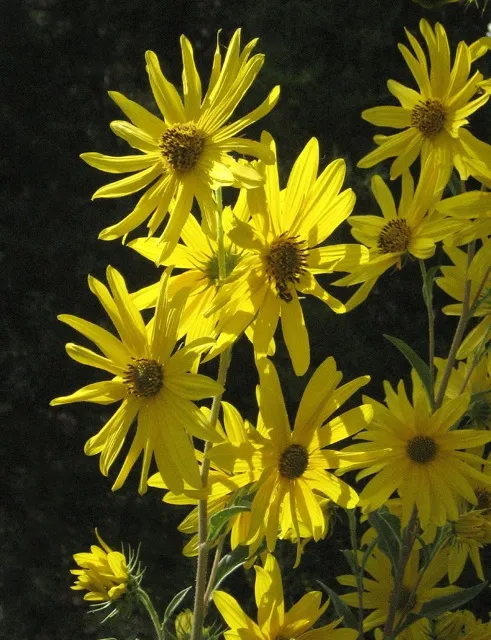
A New NICE Plant and Hardy Early Fall Bloomers
By Delmar Cain Do I really feel a bit of coolness in the air in early morning? Or am I just conditioned to feel that way, when I hear the warning bleeps of a stopped school bus capturing the neighborhood kids? In the afternoon when the bus returns and the
Fall landscaping classes announced
The Society is offering classes in native plant landscaping to the public this fall in San Antonio and in the Fort Worth area.
Native plant festivals abound this fall
October is a popular time for outdoor festivals. To help you find native plant festivals and plant sales we’ve set up a special website listing events around the state.
Fundraiser for Deer Park Prairie
**ARCHIVED POST ** More than 80% of the funds have been raised to save the Deer Park Prairie. Bayou Land Conservancy is planning a big fundraiser the evening of September 5 at the Monument Inn. Update: Saved! The Bayou Land Conservancy announced on September 10 that they had raised all of
Our trip to Big Bend
The Big Bend region of Texas has an allure, a pull to the heart, that makes every native plant lover want to revel in its huge desert expanses, green-ribboned river valley and high, cool basin.
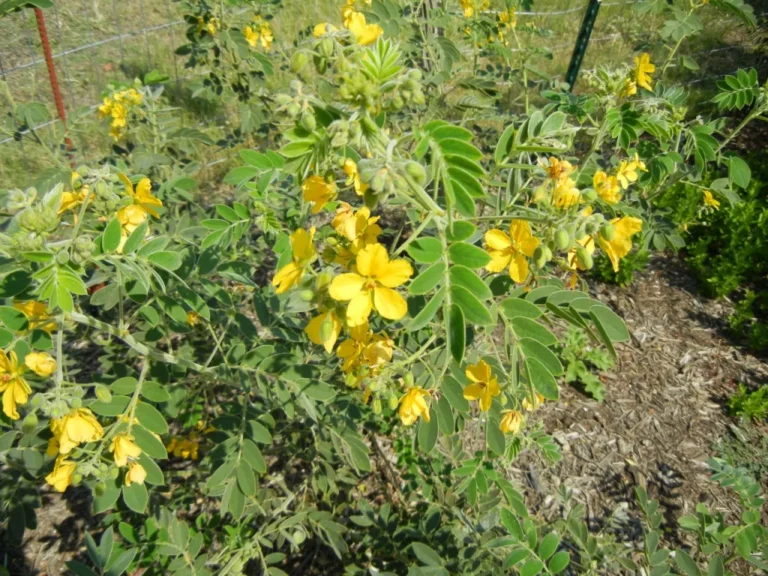
Two Sennas–Cool Plants For the End of Summer
By Delmar Cain When the construction work was in full swing on I-10 near the area where the Leon Creek crosses, I enjoyed seeing the plants that would spring up and bloom in some of the construction soil, which seemed constantly in migration. None was more eye-catching than tall yellow-flowered
Houston plans wildscaping workshop
**ARCHIVED POST ** Houston’s annual Wildscape Workshop & Native Plant Sale will be Saturday, September 7, from 8:30 AM to 3:30 PM at the Houston Zoo Brown Education Center. The native plant sale is free of charge and open to the public from 1:00 PM to 3:30 PM. Registration for the workshop
