

Native plants = healthy habitats
**ARCHIVED POST ** The Society adopted a new slogan Saturday at the Summer board meeting in Brenham. The new motto was chosen by majority vote of board members from among entries submitted by members. The winning entry was submitted by Kay Lowery of the Caddo Wildflower Chapter: Native Plants =
New slate for state board announced
Rhoda Poenisch, chair of the Nominating Committee, has announced the slate that the committee will nominate to be state officers at the Annual Meeting to be held in October.
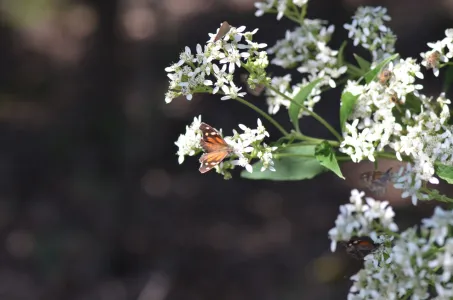
One Real Honest to Goodness Weed
By Delmar Cain My neighbor does not like frostweed. She has instructed that it should be chopped down or mowed when it is found. I don’t know whether she objects to its height, its ability to spread, that it is perennial or to the fact that it must be a
Rain gardens — old idea + native plants
**ARCHIVED POST ** Rain gardens are as old as agriculture in arid lands. For thousands of years, humans have harvested the water from rains too heavy to fully soak into the ground.
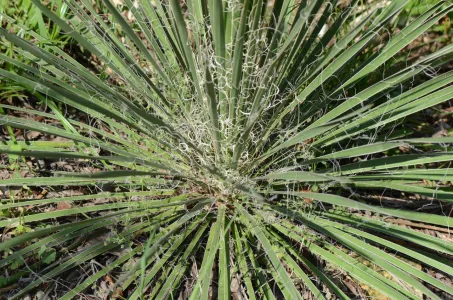
Buckley’s Yucca—A NICE Ball With Points
By Delmar Cain Taking the dog on the last walk before putting him in his pen for the evening can be revealing. I can see fireflies twinkling that remind me of distant lighthouses with revolving lights. I can see moths moving from plant to plant just like butterflies of the
Xeriscaping bill signed into law
A bill which aims to prevent Texas homeowner associations from prohibiting use of native grasses or xeriscapes in landscaping was signed into law on June 13, 2013.
The Fragrant Mimosa would like your attention, please!
**ARCHIVED POST ** As you are walking through a field you might happen to notice Fragrant Mimosa because of its beautiful pink blossoms. Or maybe its sweet scent will get your attention. If not it might just “grab you” with its claws as you brush past it.
Hummingbirds love this plant!
To support their highly active life, hummingbirds need high energy nectar from many different plants. One great native plant for Texas is the Hummingbird Bush.
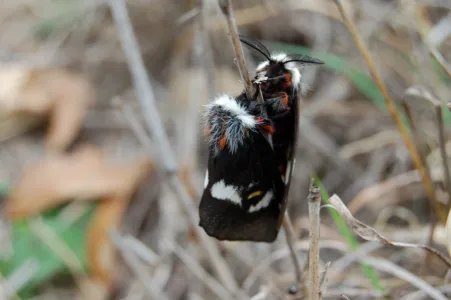
Buck Moths, Green Dragons and the Fiery Searcher
By Delmar Cain My retirement years have been filled with a delightful romp through the wonders of nature. Discovering that the Grote’s Buck Moth (Hemileuca grotei) had a camp on our property turned on another small bulb for me in nature’s big backyard. Obviously I have spent a lot of
July board meeting in Brenham
**ARCHIVED POST ** The third quarter State Board meeting will be Saturday, July 20th, at the Blinn College Student Center in Brenham.
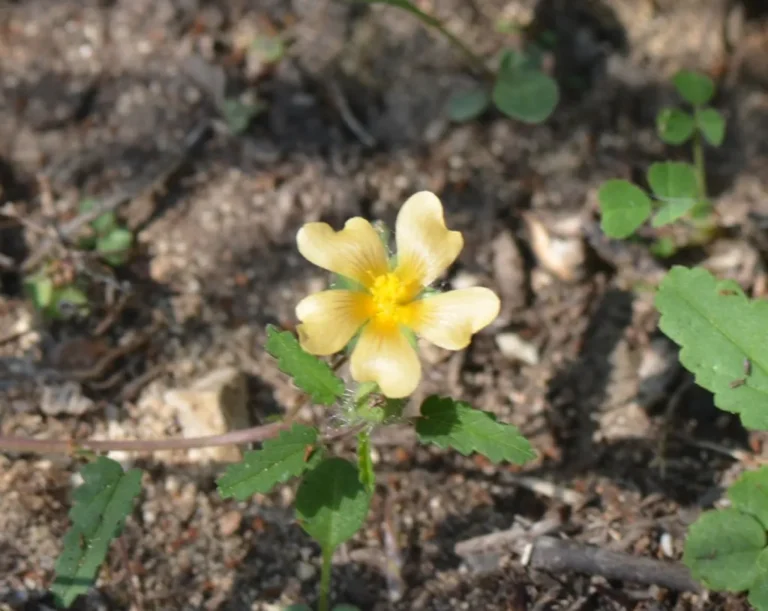
Not In Control—Save Some Seeds
By Delmar Cain In several articles of this column I have mentioned “the right of way “ which adjoins each side of our public roads. My wife has reminded me on many occasions that my own father cautioned her to be vigilant, as I had a “wandering eye” when I
Graduate research grant awarded
Michelle Green of the University of Texas in Arlington was awarded the Ann Miller Gonzalez Research Grant for her graduate research into the effects of urban ecology on native plants and its implications for recovery of native ecosystems.
