

Nominations open for annual awards
**ARCHIVED POST ** Know of someone who deserves recognition for work on native plants and their environments? Nominate them for one of our annual awards.
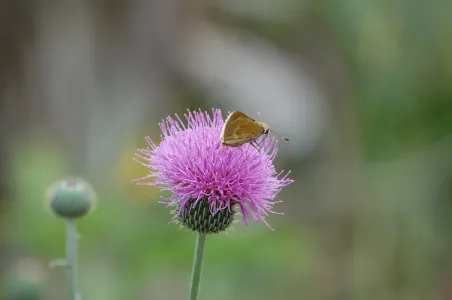
In The Battle Against Invasives—Save Some Seeds
By Delmar Cain During the course of a year I usually go on several fieldtrips, most of which also include an opportunity to see and identify the birds that are the object of the trip or which happen to be along the route. I generally do okay for the birds
Quilt project will benefit scholarship fund
For a third year, Tricia Hopkins is challenging members to help raise money for the Kate Hillhouse Scholarship Fund by creating a quilt to be auctioned off.
New chapter forming in Uvalde
**ARCHIVED POST ** There may soon be a new Native Plant Society chapter in Uvalde.
Call for papers
Writers are invited to submit research papers, general papers on topics of interest, and “how to” articles related to themes of the 2013 Texas Native Plants Symposium.
National Wildflower Week
**ARCHIVED POST ** National Wildflower Week, May 4 through May 12, celebrates nature’s bounty of wildflowers all across the nation.
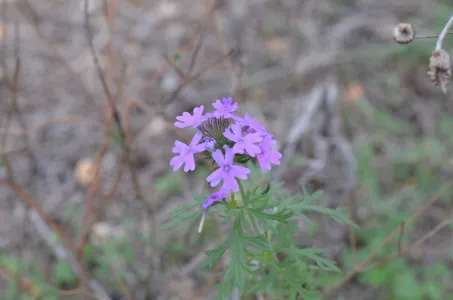
Prairie Verbena—A NICE Ten-Month Performer
By Delmar Cain I don’t mind the cool weather. But I have heard some complaints from those who want to be about their spring outings. Although some birds and most butterflies are sensibly not so active with the lower temperatures, I can delay my enjoyment of them for a few
Two plants considered for endangered list
**ARCHIVED POST ** The US Fish & Wildlife Service is seeking protection for the Texas Golden Gladecress (Levenworthea texana) as endangered and the Neches River Rosemallow (Hibiscus dasycalyx) as threatened.
Kevin Janni appointed to State Board
**ARCHIVED POST ** The State Board appointed Kevin Janni of Arlington to the post of Vice President for Environmental Liaison during its April meeting in Glen Rose. The post had been vacant since January. Mr Janni is a botanist with SWCA Environmental Consultants, an Interim Board Member for the Society
The serendipity of native “Symphs”
Despite their long-enduring common names, most so-called native asters are technically not asters any more. They now taxonomically belong to the genus Symphyotrichum.
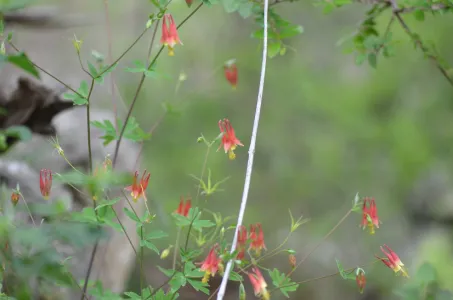
In Love and Stranded in the Hill Country—Wild (Eastern) Red Columbine
By Emily Weiner and Delmar Cain It really doesn’t take much to lift my spirits. As a matter of fact it took exactly 1 1/2 inches of rain. They may be smaller than usual but I think that we are going to have spring wildflowers. The Boerne Chapter of NPSOT
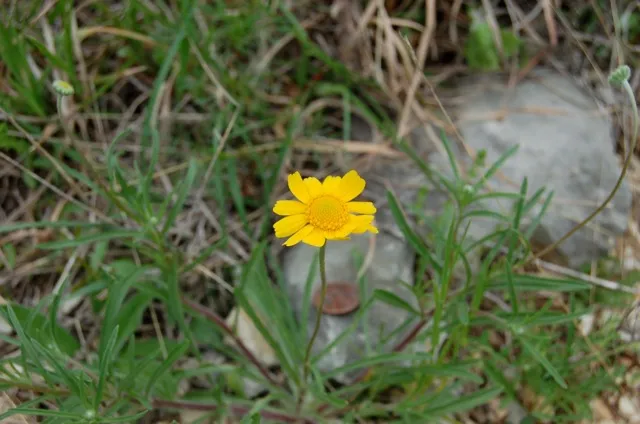
Yellow Spring Flowers And A Memorial Butterfly Garden
By Delmar Cain Green and yellow on the roadsides and in the fields tell us that spring is upon us. Each tree species has its own shade of green that seems to differ from every other species. Just like the colors in the fall, the fresh new leaves of spring
