

Landscaping classes offered in San Antonio
**ARCHIVED POST ** Classes teaching landscaping with native plants will be offered in San Antonio this Spring at three locations and in two different skill levels.
Little Bluestem
Little Bluestem, Schizachyrium scoparium, is one of the three dominant species that make up our tall and short grass prairies.
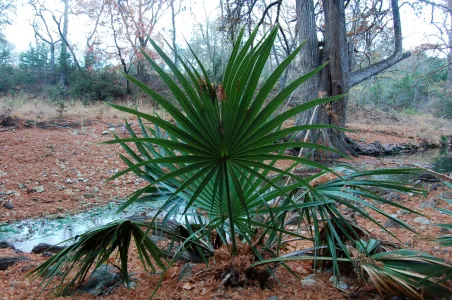
Something Pleasant—Bush Palmetto
By Delmar Cain Apparently it is official. In its February 15, 2013 edition the Texas Climate News reported that 2012 was a “record-warm year in (the) contiguous US, Texas, (and) many Texas cities.” As I sit here looking out the window and wishing that I were climbing around outside among
Native seed legislation introduced
**ARCHIVED POST ** Representative Mike Villareal of San Antonio has introduced two new bills in the state legislature which aim to increase the production of native seeds.
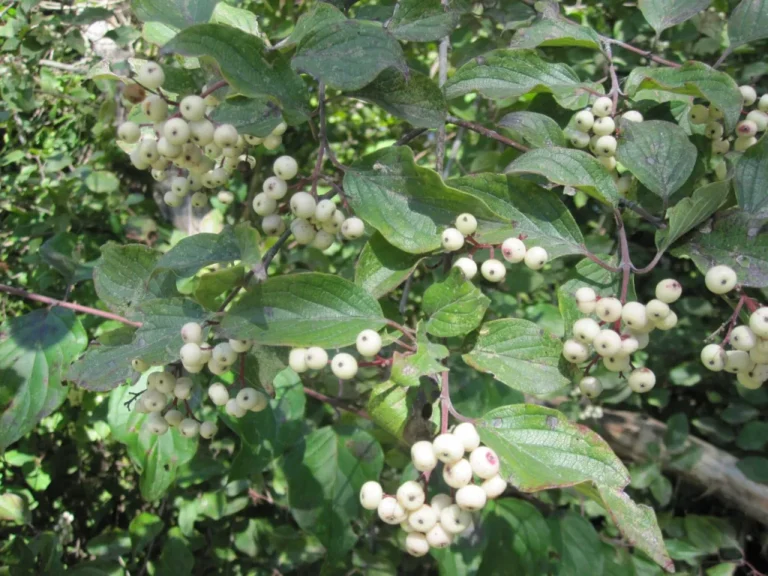
Rough-Leaf Dogwood—A NICE Tree For A Wet Spot
By Delmar Cain If you are like me, variety is welcomed, especially in plants and trees. One of the necessary ingredients for variety in plants is variety in conditions, including soil, moisture, sun and exposure. Many of us have an area that seems to either collect or hold more moisture
Landscape classes announced for Spring
**ARCHIVED POST ** The Native Plant Society of Texas will offer five classes in the Dallas – Ft Worth area in Spring 2013 for homeowners and landscape professionals. All are introductory classes and will be offered on Saturdays.
Horned frog reintroduction in Parker County
A reintroduction program for the Texas horned lizard in Parker County was described at the January 2013 meeting of Cross Timbers Native Plants.
Our magazine is now on Kindle
**ARCHIVED POST ** You can now get the latest issue of the Native Plant Society of Texas magazine delivered directly to your Kindle reading device. For some time, we’ve wanted to offer a digital version of our magazine. Many members prefer the convenience of a digital version. The publication will
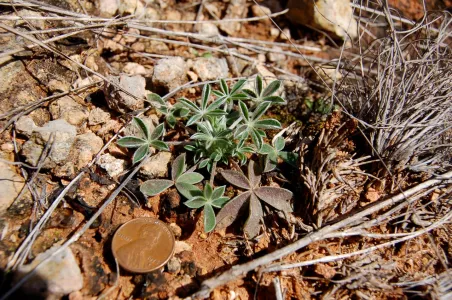
Rosettes of Renewal
By Delmar Cain The week just past was the perfect time to remember the first few lines of Christina Rossetti’s Christmas poem, later set to music in carol: “In the bleak mid-winterFrosty wind made moan,Earth stood hard as iron,Water like a stone;Snow had fallen, snow on snow,Snow on snow,In the
Corpus, Texarkana to be symposium sites
The State Board has decided on Corpus Christi as the site of the 2013 symposium and Texarkana as the site for the 2014 symposium.
Symposium presentation files released
**ARCHIVED POST ** Organizers of the October 2012 symposium in Kerrville have released files of selected presentations at the conference. Videos were made of a few presentations and these will be made available soon also. Go to this page to download the presentations. **ARCHIVED POST** **ARCHIVED POST LINKS & PICTURES
