

Grants help bring back the Monarch
Almost $4,000 in grant money will be given by the Native Plant Society of Texas and Monarch Watch to fund planting of Monarch habitat in 18 different community gardens
Spring plant sales and workshops
**ARCHIVED POST ** Here is a list of native plant sales coming up. Now is a perfect time to play with native plants. We think you’ll enjoy seeing them in your landscape and watching the native pollinators return.
Science Fair winners receive prizes
**ARCHIVED POST ** Three students received cash prizes from the Native Plant Society of Texas for native plant-related projects at the Texas State Science and Engineering Fair in San Antonio.
Blue curls
**ARCHIVED POST ** It seems there is another blue wildflower that likes to be noticed other than our beautiful Texas Bluebonnet. Blue Curls (Phacelia congesta), also called Fiddlenecks and Caterpillars is predominately an understory plant.
Texas Senate passes landscaping bill
**ARCHIVED POST ** The Texas Senate has passed SB 198, to prevent homeowners associations from prohibiting use of native grasses or xeriscapes in landscaping. The bill introduced by Kirk Watson of Austin passed the Senate March 18 and now goes to the Texas House.
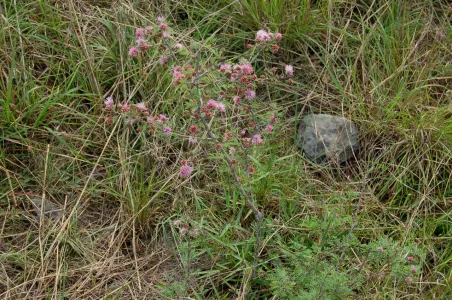
Pink Mimosa—NICE, But Not Near A Walkway
By Delmar CainPublished in The Boerne Star on March 22, 2013 It was about 20 inches tall, had tiny leaves, and was growing in the middle of a vacant lot in the subdivision. It had been browsed, probably by deer, and looked stunted. Had it not been for the ball-like
New chapter forming in Glen Rose
**ARCHIVED POST ** A charter meeting of the new Prairie Rose Chapter was held Saturday, March 9, at the Somervell County Citizens Center in Glen Rose.
Publications archives expanded
**ARCHIVED POST ** Our publication archives section has now been expanded to include all issues of our magazine published since the beginning of the Society through 2012. The archives issues are in a pdf format which may be downloaded. Thanks to our volunteers who helped scan the magazines. **ARCHIVED POST**
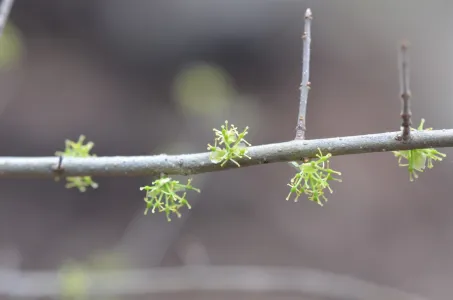
The Early Show May Be The Best
By Delmar Cain Spring may be on its way, but 50 mph winds from the north with morning lows near freezing tell us that it has not arrived yet. Those brisk winds were enough to blow the almost budding tips from many of the trees. Trees and plants struggle against
Book your hotel reservation for Corpus
**ARCHIVED POST ** The 2013 annual symposium and member’s meeting will be held on October 17-20, at the Holiday Inn – Emerald Beach located at 1102 South Shoreline on the bay shore in downtown Corpus Christi. Attendees will receive a discounted rate of $89 per night plus tax for standard
State board to meet in Glen Rose
**ARCHIVED POST ** The State Board will hold its next quarterly meeting in Glen Rose on Saturday, April 20.
Landscaping classes offered in San Antonio
**ARCHIVED POST ** Classes teaching landscaping with native plants will be offered in San Antonio this Spring at three locations and in two different skill levels.
