

A tale of passion in the front yard
**ARCHIVED POST ** In the celebration of things botanical, leaves often get short shrift. As far as I know, there’s no Native “Wildleaf” Center anywhere in the world alongside all the places trumpeting the glories of wildflowers and also those showy “tame” flowers. Yet, there would be few flowers without
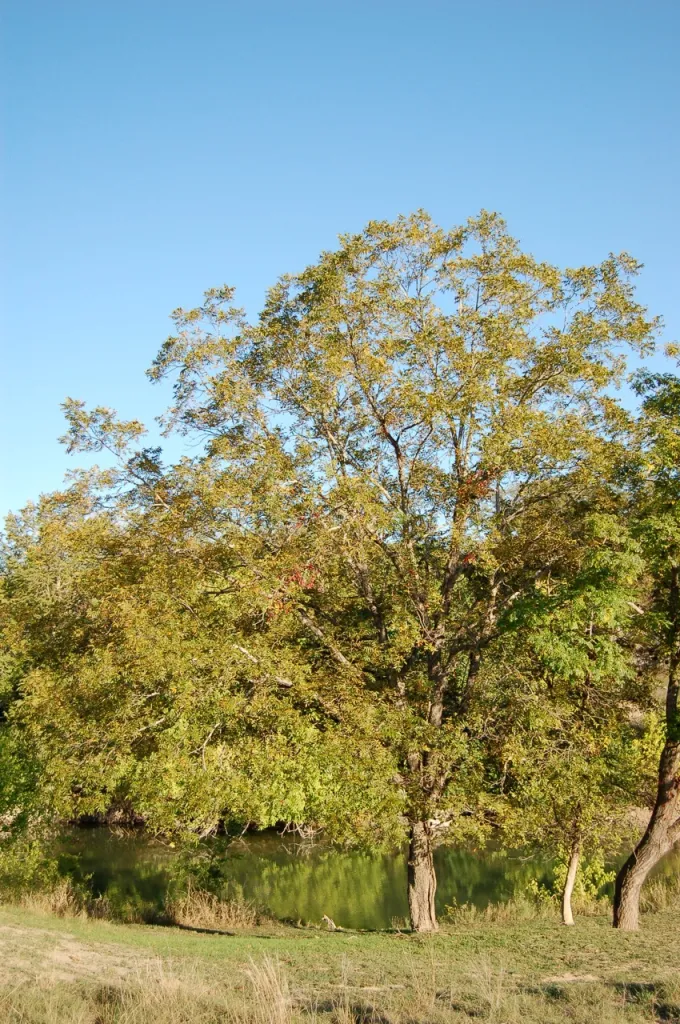
Pecan—A NICE Old Favorite
By Delmar Cain Once again another year has flown by and 2013 is here. A new year means that before you can say “Jack Robinson” green things will start to appear and the “tax man” will be calling. But that may be moving things too fast. Let’s slow down a
Snailseed vine
Snailseed Vine is a delicate and beautiful vine that bears grape-like clusters of bright pea-size red berries that draw songbirds in the fall.
Ruth O’Brien
**ARCHIVED POST ** Ruth Schott O’Brien died on December 26 at the age of 91. Ruth’s deep-rooted interest in wild plants and taxonomy led her to a Master of Science in Biology in 1980 from Corpus Christi State University. A year later, she set up the University herbarium and became
Bexar Roots January 2013
**ARCHIVED POST ** from 2013-01-01 Click Here **ARCHIVED POST** **ARCHIVED POST LINKS & PICTURES MAY NOT WORK** **ARCHIVED POST AUTHOR: tmaslonka **
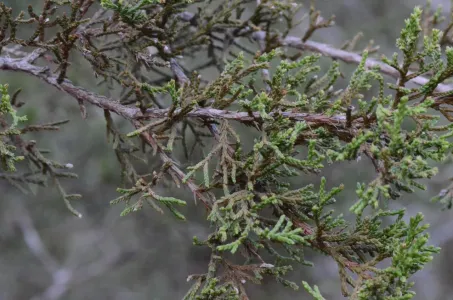
Ashe Juniper—Wanted Dead or Wanted Alive
By Delmar Cain If you are able to read this article it means that the winter solstice for 2012 and the end of the Mayan Calendar are now history. Some predicted that the end of the Mayan Calendar on the 21st would coincide with Doomsday, which means that for efficiency’s
Details announced for Monarch grant program
**ARCHIVED POST ** Details have been announced for the grant process to support the new Bring Back the Monarchs to Texas program. Small grants of between $50 to $400 will be awarded to qualifying applicants to build Monarch Waystations or demonstration gardens containing milkweed and butterfly nectar plants. The application
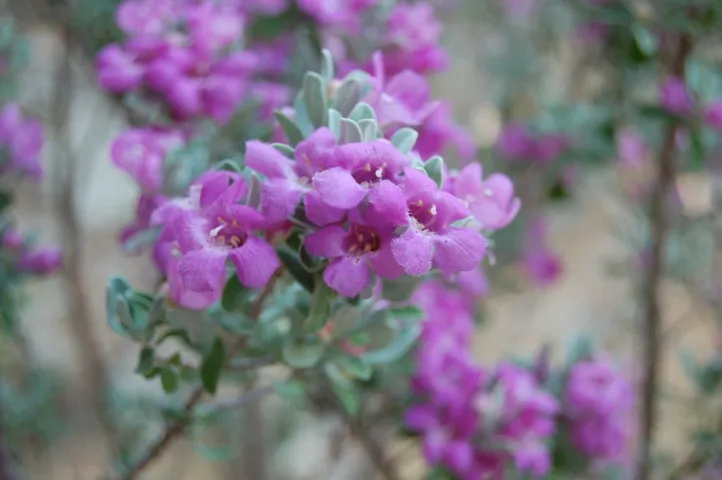
Cenizo–A Western Plant For Dry Conditions
By Delmar Cain At the time I am writing this article in early December, the temperature is a balmy 73 degrees Fahrenheit and there has been no appreciable rainfall at our house since September. But according to the National Weather Service, I can expect that the temperature will be in
Let’s bring the Monarchs back to Texas!
**ARCHIVED POST ** Did you see the Monarchs migrating north this spring? How about watching Monarchs returning through Texas this fall? Then perhaps you noticed that the numbers of migrating Monarchs were more diminished than in years past.
January 2013 board meeting
**ARCHIVED POST ** The State Board meeting at the end of the first quarter will be Saturday, January 19, at the Hampton Inn in Fredericksburg.
Plant regeneration in the Lost Pines area
**ARCHIVED POST ** In September 2011 wildfire burned much of the Lost Pines region, including almost all of Bastrop State Park during a record drought. Even where the fire did not crown, extensive tree mortality has been observed. The Lost Pines region of Central Texas includes the western-most stands of
Cowpen daisy, a dependable fall bloomer
There are a few native wildflower species that you can count on every year. One you can’t miss is Cowpen Daisy, Verbesina encelioides.
