

A cool plant for a hot spot
The desert willow (Chilopsis linearis) is a flowering fast-growing small tree that is native to the dry streambeds and arroyos of West Texas
A “tool chest” to aid chapter development
Cathy Lustgarten announced a new online resource this week that will be a repository for ideas useful to both new and established local chapters.
Native Landscape Certificate program to expand
**ARCHIVED POST ** The Native Landscape Certificate program is expanding into North Texas. Carol Feldman, a former president of the Native Plant Society and a landscape architect in Dallas, is organizing an initial training program on November 10-11 at the Dogwood Canyon Audubon facility in Cedar Hill. The session will
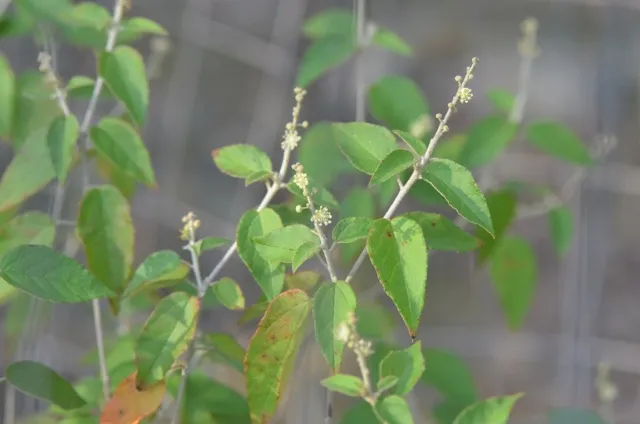
In The Hill Country Or Blackland Prairie—It’s Still Prairie Tea
By Delmar Cain A few weeks ago while I was taking the dogs for a walk, a neighbor, Sandy Alvarez, stopped her car, directed my attention to the area beyond the county right of way and asked me if I knew the name of “that plant”. She said that the
New graphics support Texas Native Plant Week
**ARCHIVED POST ** The graphics department at the City of Austin has created and donated two new graphics for publicizing Texas Native Plant Week. Texas Native Plant Week (TNPW) is October 14-20 by official proclamation of the Texas Legislature. Events and programs are being planned all over the state of
Some of my favorite cacti
Award-winning photographer Kathy Saucier shows some of her favorite cactus plants.
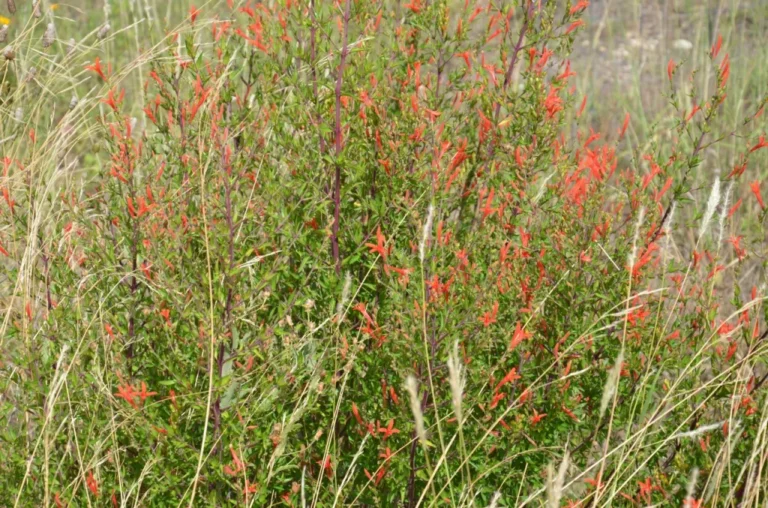
Flame Acanthus—A NICE Plant for A Hot Summer and Fall
By Delmar Cain It has not been a bad Texas summer. And I hope that in making that statement I do not doom us to an awful September. Yes it has been hot but we have been spared those endless days of 100 degree plus heat that some years bring.
Wire and fire: a history of ecosystems management
Today the Kerr Wildlife Management Area serves as a prime example of good range stewardship based on sound ecological principles, but historical accounts reveal a vastly different scenario.
Bexar Roots September 2012
**ARCHIVED POST ** from 2012-09-01 Click Here **ARCHIVED POST** **ARCHIVED POST LINKS & PICTURES MAY NOT WORK** **ARCHIVED POST AUTHOR: tmaslonka **
How to design native landscapes
If we design our natural landscapes using architectural elements such as line, rhythm, accent, texture and color, then we can create the order that our human nature desires.
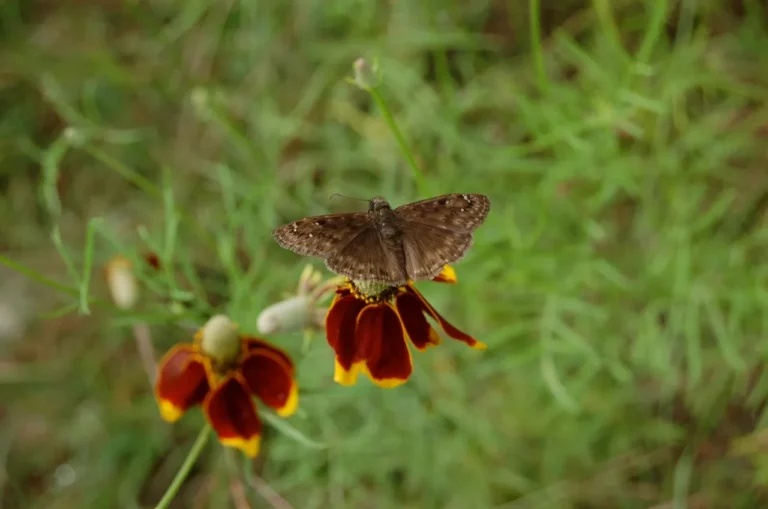
Prairie Coneflower… Deer Proof… Maybe
If you ever become a member of NPSOT (Native Plant Society of Texas), and specifically a member of a Hill County chapter such as the Boerne Chapter, you will not have a long tenure at any meeting before you stumble upon a discussion of deer resistant or deer proof plants.
We can save a national treasure!
An amazing 53-acre coastal prairie remnant has been found in Deer Park.
