

Candidates for state office announced
**ARCHIVED POST ** Rhoda Poenisch, chair of the Nominating Committee, has announced that the committee will nominate the following slate at the Annual Meeting in Kerrville.
Sustaining biodiversity with native plants
**ARCHIVED POST ** “I have been studying the effects of climate on monarch populations for several years and climate change really has me worried. Higher temperatures are likely to negatively affect monarch populations by reducing reproductive success and altering the distribution and abundances of milkweed species on which the monarchs
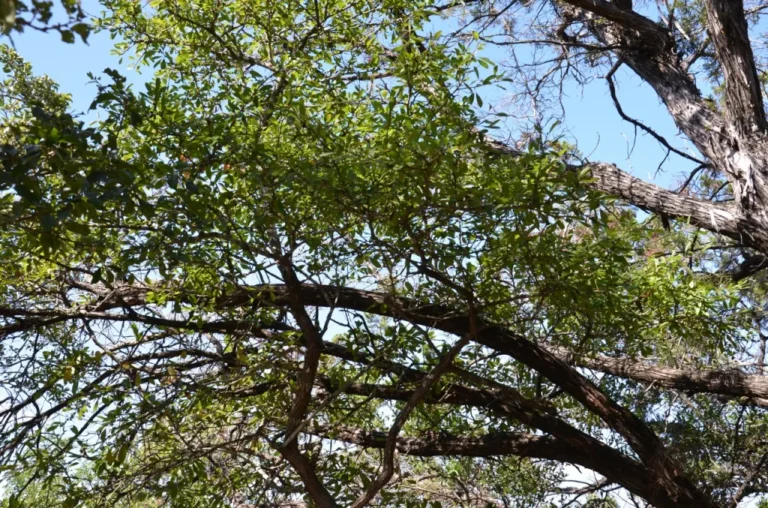
A Tree By Every Other Name Is Still The Same
By Delmar Cain In her book, “Trees, Shrub, and Vines of the Texas Hill Country”, Jan Wrede describes one of our Hill Country natives as follows: “Usually encountered as a nondescript shrub or small tree with short, stout branchlets that sometimes have a thorn on the tip.” It is a
Amendments for consideration at annual meeting
**ARCHIVED POST ** Members will be asked to vote on five separate amendments to the State Bylaws during the State Annual Meeting October 6 in Kerrville.
Dues increase approved
The State Board approved increases to dues and simplified the membership categories at the quarterly meeting July 21 in Tyler.
Andy Wasowski
Andy Wasowski and his wife Sally were passionate advocates of native plants with many books to their credit and they also played an important role in the history of the Society.
Proposed project would help Monarchs
Discussions are underway regarding a joint project between Monarch Watch and the Society to help restore milkweed to its native range.
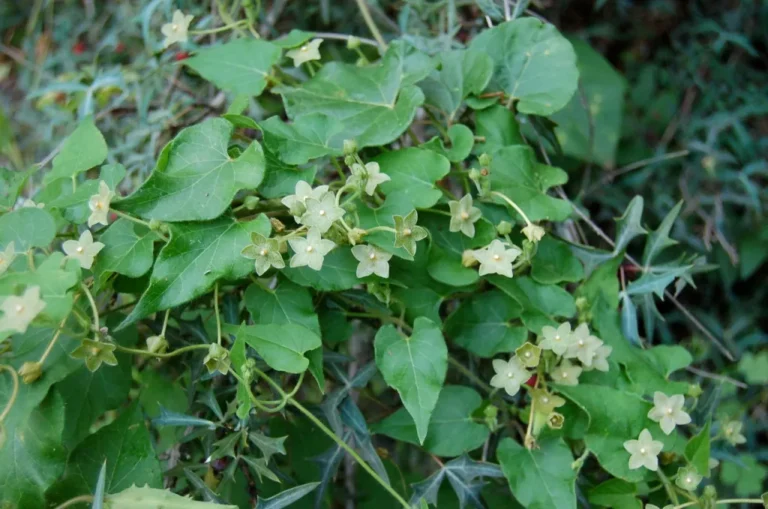
A Look At Some Of The Supporting Cast
By Delmar Cain Even though it is almost August this year I can enjoy taking a walk around the yard to see what plants are still making some headway in our Texas summer. It is especially fun to see that some of the background performers are doing just fine, thank
Texas Native Plant Week October 14 – 20
Plants, insects, birds — they’re all natives. Together they co-exist and create our unique sense of place, the landscape we call “home.”
Grants will support work in San Antonio
**ARCHIVED POST ** The Native Plant Society of Texas has recently received three grants which will support the work of its San Antonio Chapter. A grant of $5,000 from the John Newman Family Charitable Trust and a $10,000 grant from the Shield-Ayres Foundation will support the further development of the
New landscaping at state office
**ARCHIVED POST ** Our state offices in Fredericksburg are boasting beautiful new landscaping thanks to generous donors and volunteers from the Fredericksburg Chapter. Fredericksburg Chapter members designed the garden and held work parties in May to install the landscape. Cooperating rains have helped tp produce a lovely new garden. Financing
Grants received from Gage and Hershey foundations
**ARCHIVED POST ** The Native Plant Society of Texas has recently received a grant from the Alfred S. Gage Foundation in the amount of $1000 and a second grant from the Jacob and Terese Hershey Foundation in the amount of $5000. The grants will be used to support the fall
