

Bexar Roots June 2012
**ARCHIVED POST ** from 2012-06-01 Click Here **ARCHIVED POST** **ARCHIVED POST LINKS & PICTURES MAY NOT WORK** **ARCHIVED POST AUTHOR: tmaslonka **
What I learned about rainbarrels
**ARCHIVED POST ** Remember last summer? Surely you remember last summer. Last summer pushed me over the edge. I had been mouthing for months about building rain barrels, had gotten information from the Internet and other sources, had even seen one made. Yet I dithered.
What looks like a thistle but isn’t?
**ARCHIVED POST ** Basket flower can be mistaken for a thistle when you first see it. The flower has a similar profile and color. But luckily it lacks the prickly characteristics.
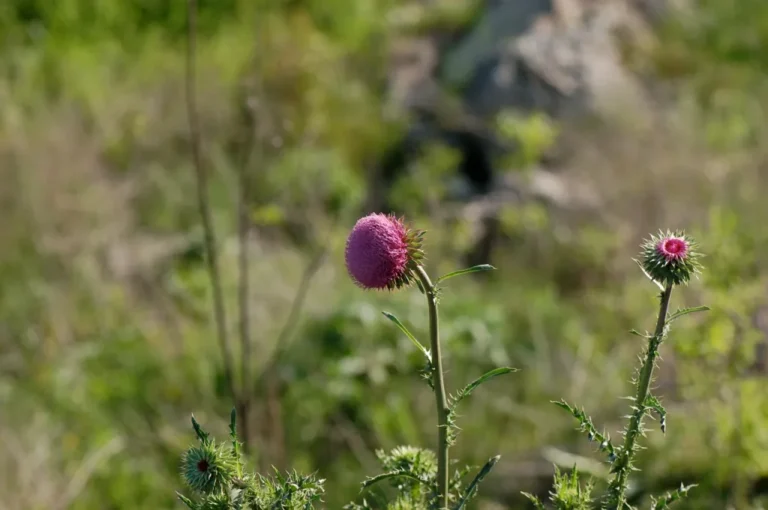
No Mercy for the Musk Thistle Either
By Delmar Cain Some of our citizens have a way of motivating others. Jan Wrede, naturalist, author, and former research director at the Cibolo Nature Center, does it as well as anyone. Her well founded concern about Malta starthistle has created an educational buzz in the community, inspiring many to
Third quarter board meeting to be in Tyler
**ARCHIVED POST ** The third quarter State Board Meeting will be Saturday, July 21, 10:00 am – 3:30 pm at TPWD Nature Center in Tyler.
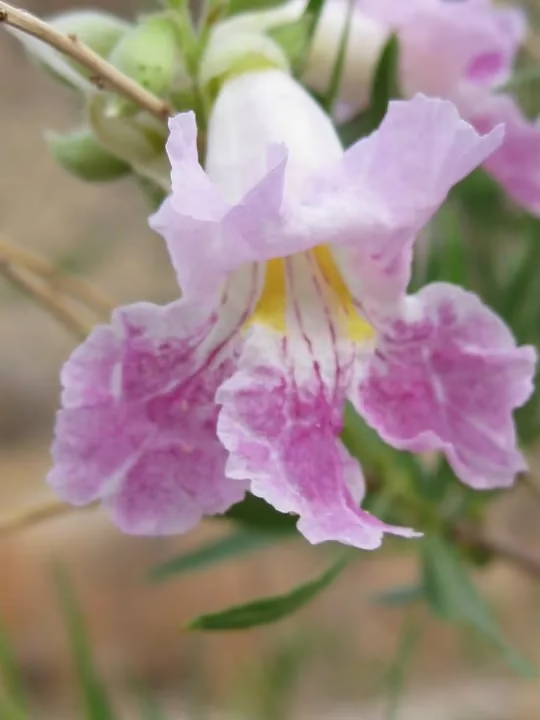
Desert Willow—A Cool Plant For A Hot Spot
By Delmar Cain Desert willow. Isn’t that a wonderful name for a tree in the Southwest? It evokes a cool and refreshing spot to find relief from the sun in a hot dry climate. But it was more than just a cool name that induced the Boerne Chapter of NPSOT
Bexar Roots May 2012
**ARCHIVED POST ** from 2012-05-01 Click Here **ARCHIVED POST** **ARCHIVED POST LINKS & PICTURES MAY NOT WORK** **ARCHIVED POST AUTHOR: tmaslonka **
Board proposes changes to Bylaws
**ARCHIVED POST ** The State Board recommended one amendment to the Bylaws at the April quarterly meeting and signaled that additional changes to the Bylaws and to the Standing Rules were likely to be presented at the upcoming July meeting. All changes to the Bylaws must be approved by the
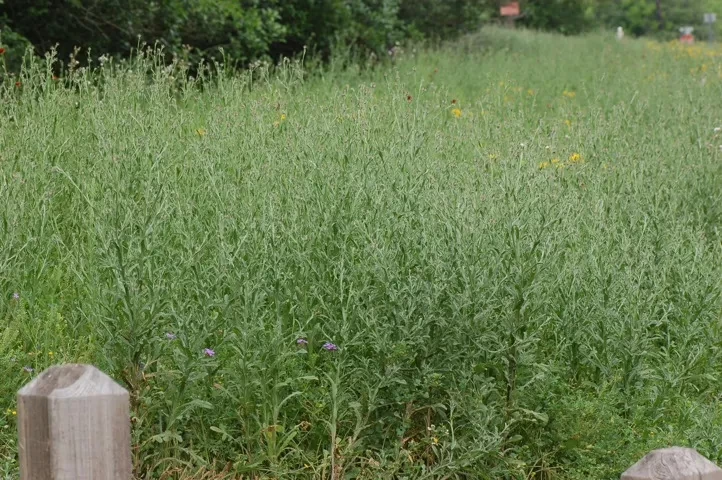
Malta Starthistle—A Really Bad Actor
By Delmar Cain Growing up in East Texas I hated sandburs. You have probably seen the kind that I am referring to. Since it is a grass (Cenchrus echinatus), it hides in a yard until it matures in the late spring or early summer. Then it extends a long stem
April 2012
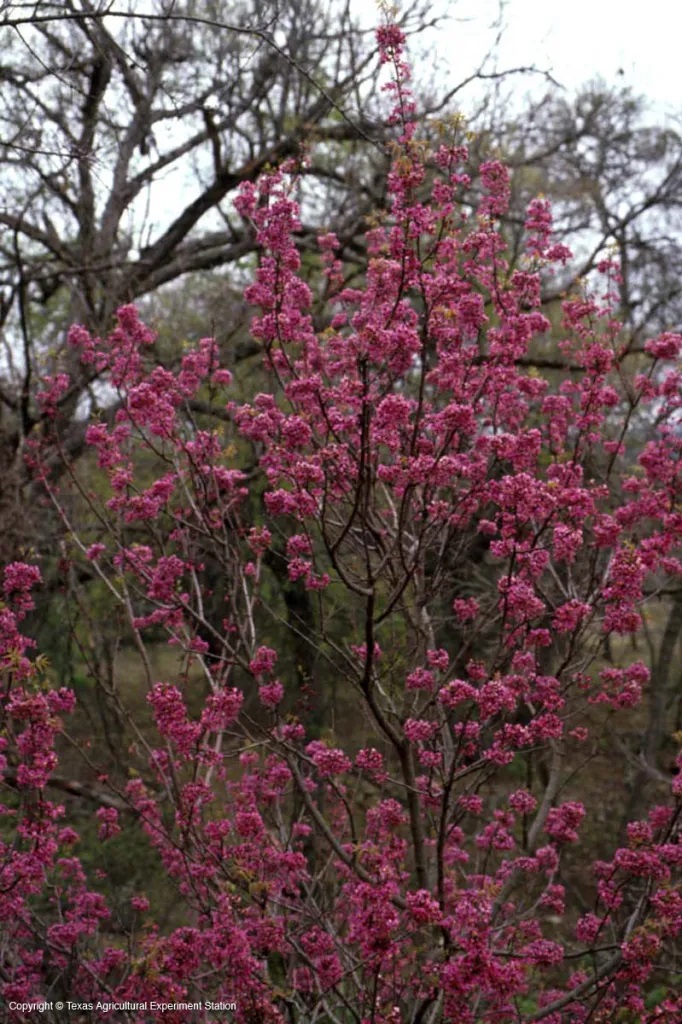
NICE! Plant of the Month Mexican Buckeye (Ungnadia speciosa) Family: Sapindaceae (Soapberry Family) Other Common Names: Buckeye, false buckeye, monillo Type: Rapid growing spring flowering tree (small specimen), thicket or tall shrub Natural Habitat: From the Edwards Plateau west to the trans-Pecos and into southern New Mexico and northern Mexico
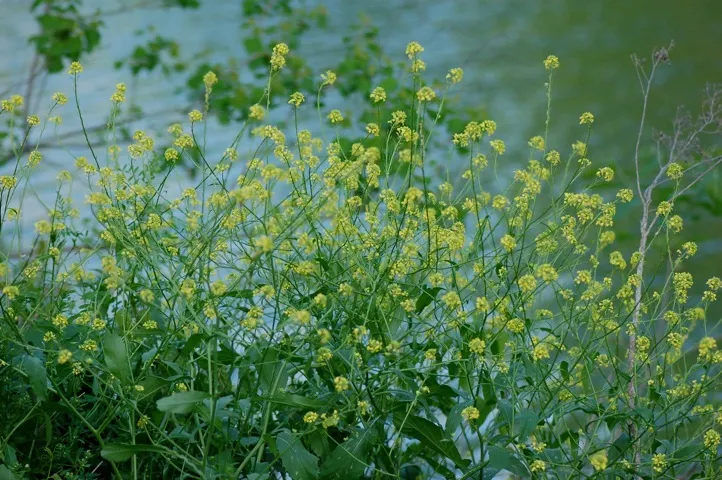
Invading mustard threatens wildflowers
It is happening all over Texas — native wildflowers are being driven out under the onslaught of this one aggressive plant.
Mexican Buckeye—A Good Suggestion For the Plant Sale
By Delmar Cain My, my what a wonderful spring so far. I don’t know how much our long-term drought condition has been helped, but the rain, coming as it has in small but frequent amounts, has removed drought as a daily conversation topic. And the wildflowers are beginning to bloom
