

Romancing the land
Learning about the plant and animal communities that reside or are native to our land wasn’t something we had planned to do.
Bexar Roots April 2012
**ARCHIVED POST ** from 2012-04-01 Click Here **ARCHIVED POST** **ARCHIVED POST LINKS & PICTURES MAY NOT WORK** **ARCHIVED POST AUTHOR: tmaslonka **
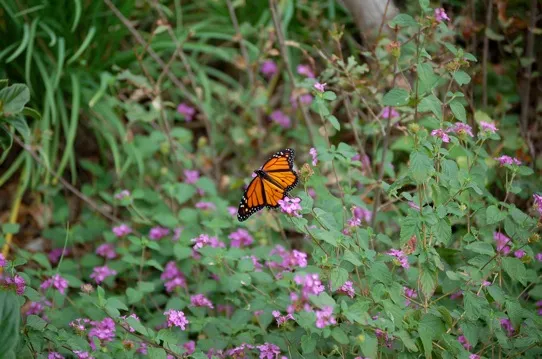
Our friends are back, but for how long
By Delmar Cain I have reports that “they” are back. I told my friend Kip Kiphart that I thought that I had seen one last week in Boerne and another at my house a few days later. But the ones that I saw were some distance away and neither slowed
March 2012
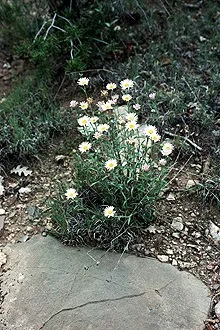
NICE! Plant of the Month (Melampodium leucanthum) Family: Asteraceae Other Common Names: Rock daisy, Plains blackfoot Type: Perennial Growth: Low growing 6 to 18 inches tall, normally wider than tall. Deer Resistance: Yes Wildlife: Nectar for bees, butterflies and insects. Seed for birds Light Tolerance: Full sun to part sun
Ten Years of NICE!
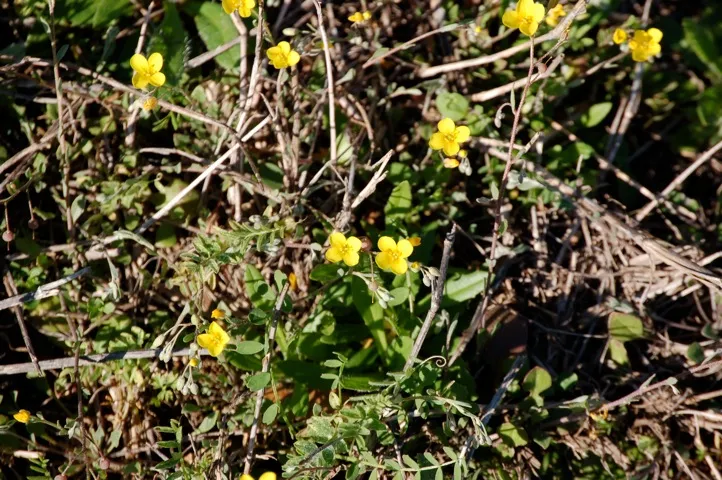
By Delmar Cain It could still freeze but this warm weather really feels like spring. Kip Kiphart has been sending pictures of small blooming plants and thinks that just because I stayed in a Holiday Inn once that I should be able to identify them. Of course he is wrong.
The case against tropical milkweed
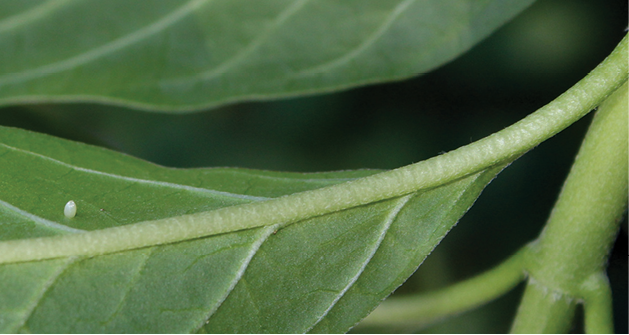
Should you plant non-native tropical milkweed to attract and sustain Monarchs? It could do more harm than good.
Our friends are back, but for how long?
**ARCHIVED POST ** “They” are back. I told my friend Kip Kiphart that I thought that I had seen one last week in Boerne and another at my house a few days later. But the ones that I saw were some distance away and neither slowed down to say hello.
Bexar Roots March 2012
**ARCHIVED POST ** from 2012-03-01 Click Here **ARCHIVED POST** **ARCHIVED POST LINKS & PICTURES MAY NOT WORK** **ARCHIVED POST AUTHOR: tmaslonka **
Letting Nature Make The Call
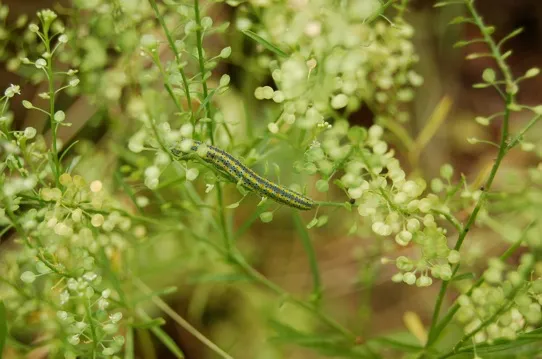
By Delmar Cain At the last meeting of the NPSOT in Boerne, Wendy Leonard, a Park Naturalist for the City of San Antonio Natural Areas, gave an interesting presentation about her research on the Bracted twist-flower (Streptanthus bracteatus), a beautiful flower found in colonies in only a few places in
Healing hands help heal the land
Members of several Native Plant Society chapters joined with Master Naturalists and Master Gardeners, garden club members, hundreds of school children, and many other sponsors and participants to help heal the wounded lands after the devasting wildfires of 2011
February 2012
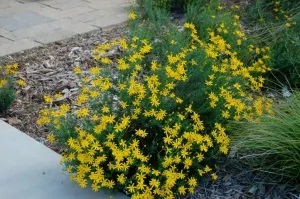
NICE! Plant of the Month (Chrysactinia mexicana A. Gray) Family: Asteraceae (Aster Family) Type: 1-2 ft. tall and wide, evergreen shrub, very aromatic leaves with woody base, forms rounded mound. Natural Habitat: Lower Edwards Plateau, Trans-Pecos into NM and Mexico on caliche and limestone south facing hillside outcrops. Growth: Slow
Damianita—Cold Hardy and Drought Tolerant
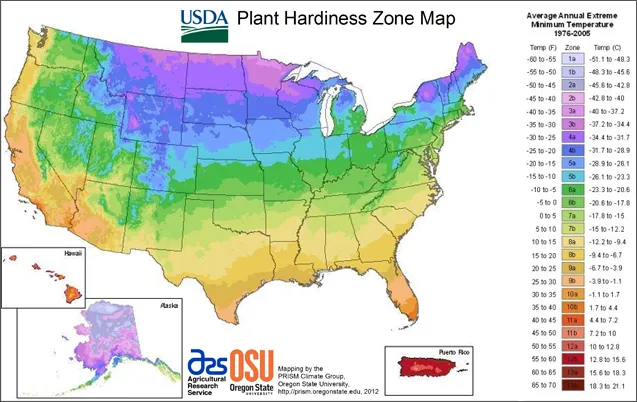
By Delmar Cain I am sure that it goes without saying that age does not necessarily improve everything. The creaks in my knees that show up with the changes in temperature are not an improvement. Apparently age and changing temperatures have not improved the USDA hardiness zone map that was
