

Bexar Roots February 2012
**ARCHIVED POST ** from 2012-02-01 Click Here **ARCHIVED POST** **ARCHIVED POST LINKS & PICTURES MAY NOT WORK** **ARCHIVED POST AUTHOR: tmaslonka **
Vacancies filled on executive board
**ARCHIVED POST ** At the January meeting in Fort Worth, the State Board filled vacancies for Vice President Finance and Vice President Administration. Gailon Hardin was appointed to the head financial job, a position she previously held in 2006 and 2007. She also served as President in 2009. Gailon is
New chapter in Victoria
**ARCHIVED POST ** A new chapter in Victoria was recognized during the State Board meeting in Fort Worth. The new chapter is calling itself the Bluestem Chapter. Martha McAlister has been elected president and Kay Dillingham will serve as treasurer. Unfortunately two chapters were decommissioned during the same board meeting.
Rewarded By Waiting
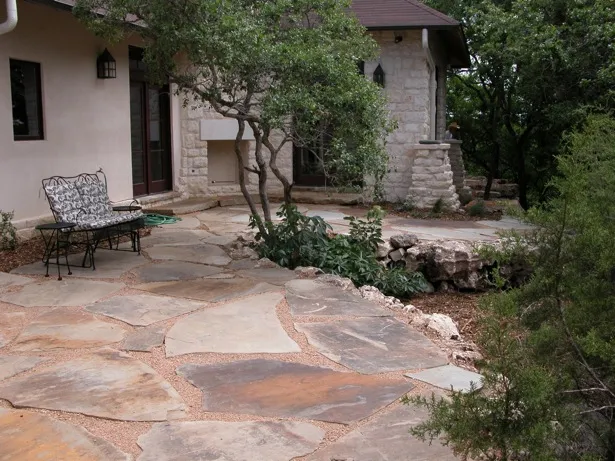
By Delmar Cain When we built our house in Boerne, we tried to keep our house footprint small and only cut those trees and shrubs that were absolutely in the way. But some of them returned, growing back from the roots that were not removed. That is how I became
Mexican plum
The blooms of Mexican plum or Prunus mexicana are sometimes described as “cherry blossoms” which makes sense because Mexican plums are in the same genus as cherry trees.
Surviving the drought
The climate trend shows all areas of Texas receiving less rainfall than the historic average. So brace yourself.
January 2012
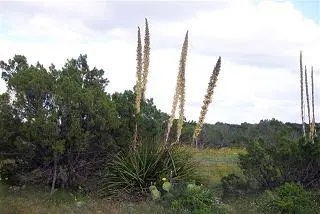
NICE! Plant of the Month (Dasylirion spp.) Family: Agavaceae Other Common Names: Desert Spoon Type: Shrub. Large clumps of evergreen, yucca-like leaves. Natural Habitat: Limestone hills and hillsides in Central and South Texas, West Texas into New Mexico and Dry hillsides in the Edwards Plateau and Trans-Pecos, and Northern Mexico.
Rising from the ashes
Are the pines gone? Is Bastrop State Park changed forever? From an ecologist’s perspective the answer is inevitably more complex. A look to the future gives more hope.
H2O: more than a chemical formula
The 11th annual Spring Symposium will focus on a critical concern for all of us – water conservation challenges and landscape use.
Bexar Roots January 2012
**ARCHIVED POST ** from 2012-01-01 Click Here **ARCHIVED POST** **ARCHIVED POST LINKS & PICTURES MAY NOT WORK** **ARCHIVED POST AUTHOR: tmaslonka **
Annual awards presented in Houston
The awards recognize excellence in writing, acts of conservation and public service, as well as lifetime achievement in the field of Texas native plants

Teaching and Planting for the Future
By Delmar Cain As of December 21 the winter is upon us. There is still time left in the prime tree-planting season. A tree that you might want to consider is the bur oak (Quercus macrocarpa), selected as Boerne NPSOT’s December Plant of the Month for the NICE (Native Instead
