Dry Year or Wet Year – Mealy Blue Sage is NICE!
Author: Bill Ward This dry, dry year has given our neck of the woods the scraggliest little bluebonnet patches we’ve have in a long time. But here and there are fields of blue that almost compensate for the failed bluebonnet crop. These are blue patches of the tough little mealy
Hiking through Eden with Bill Carr
Author: Bill Ward The nicest native-plant gardens I’ve seen around this area are not manmade; they are natural. They have a wide variety of trees and bushes, seasonally blooming forbs, ferns, decorative rocks, and water features – everything one could want in a native-plant garden. These are the little Gardens
March 2008
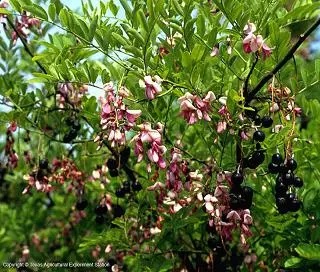
NICE! Plant of the Month (Sophora affinis) Family: Leguminosae (Legume Family) Type: Shrub or small tree, relative of Texas Mountain Laurel Natural Habitat: Central Texas north to Red River Growth: Slender tree Preferred Site and Use: Most attractive when given space and sun so it can develop an even, rounded

February 2008
NICE! Plant of the Month (Malus ioensis var. texana (Synonym: Pyrus ioensis var. texana)) Family: Rosaceae (Rose Family) Other Common Names: Texas crabapple, Prairie crabapple Type: Small deciduous, wide spreading, multi-branched tree 12-15 ft high or large shrub forming thicket by root suckers; spine-tipped spur shoots; bark on young trees

January 2008
NICE! Plant of the Month (Ehretia anacua) Family: Boraginaceae (Borage Family) Other Common Names: Sugarberry, Knock-away, Vogelbeerenbaum (German) or Birdberry Tree, Sandpaper Tree Type: Multi-trunk shrub or medium tree with a rounded, dense canopy and deeply furrowed bark; up to 40-50 feet in moist soils but much less in dry

October 2007
NICE! Plant of the Month (Sapindus saponaria var. drummondii) Family: Sapindaceae Type: Deciduous tree Natural Habitat: Wide variety of habitats throughout Texas and neighboring states. Growth: 10-50 feet, small to medium-sized tree in the Hill Country. Deer Resistance: Deer will browse on young trees; enclose tree with a wire cage.
September 2007
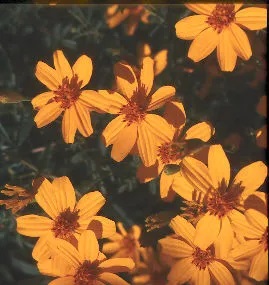
NICE! Plant of the Month Copper Canyon Daisy (Tagetes lemmonii) Family: Asteraceae Type: Shrubby herbaceous perennial. Natural Habitat: Native to Mexico and the Southwest U.S, it is well adapted for the Texas Hill Country. Growth: 2′ to 4′ tall and wide. Attains a naturally rounded mound. Deer Resistance: Its strong
July-August 2007
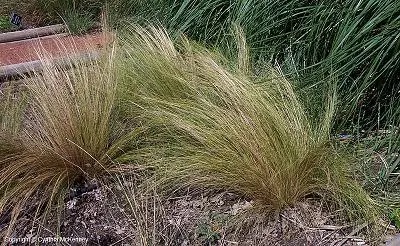
NICE! Plant of the Month (Nassella (Stipa) tenuissima) Family: Poaceae Type: Perennial grass, grows in graceful draping tufts. Natural Habitat: Natural setting is open, rocky slopes at 5,000 to 7,000 ft. elevation in Trans-Pecos Mountains of Texas. Also found in New Mexico to central Mexico. Growth: Height 18″ to 24″.
June 2007
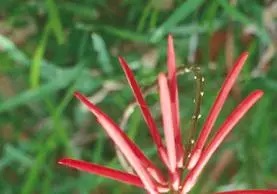
NICE! Plant of the Month (Erythrina herbacea) Family: Papilionaceae Other Common Names: Cherokee Bean, Red-cardinal, Cardinal Spear. Type: Large shrub. Natural Habitat: Native to sandy woods along the coast of Texas. Adapted as far north as Dallas. Growth: In the Hill Country, most likely 4′-5′ in height. [Hybrids are available
May 2007
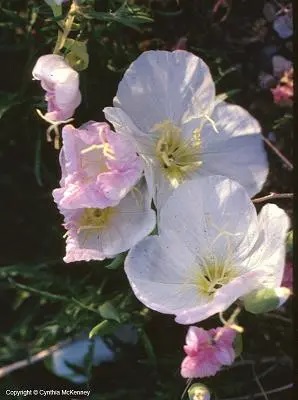
NICE! Plant of the Month (Oenothera speciosa) Family: Onagraceae Other Common Names: Showy Primrose, Buttercups (yellow center). Type: Perennial; upright to sprawling. Natural Habitat: Native to hot and dry locations in Central and Southern region of North America. Prairies and open woodlands, roadsides, slopes, and ditches throughout Texas. Growth: 12-24
April 2007
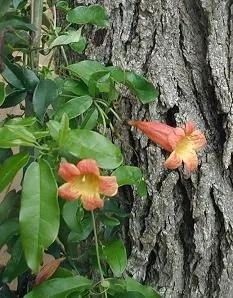
NICE! Plant of the Month (Bignonia capreolata) Family: Bignoniaceae (Catalpa or Trumpet-Creeper Family) Type: Evergreen, woody vine; climbs by tendrils with flattened tips. Natural Habitat: Usually found high climbing in trees in moist woods of eastern Texas to Florida and north to Illinois and New Jersey. Uncommon in most of
March 2007
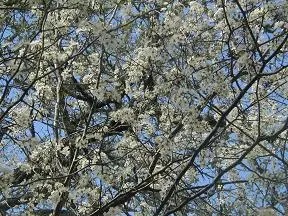
NICE! Plant of the Month (Prunus mexicana) Family: Rosaceae (Rose family) Other Common Names: Wild Plum, Big-tree Plum Type: Large shrub or solitary tree Natural Habitat: Usually found in ravines and creek bottoms, occasionally in fields and on hillsides. Growth: Height 7-20 feet Preferred Site and Use: Beautiful ornamental tree