

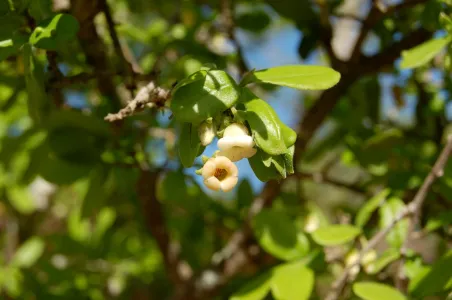
Pondering The Future
By Delmar Cain Each time a month or more passes without rain I am reminded that we have not recovered from the diminished rainfall of the last two years. During that time I lost to drought and disease at least 15 Spanish oaks, along with hackberry trees, juniper trees, cedar
Photo contest winners for 2012
**ARCHIVED POST ** Winners of the 2012 photo contest were announced during the Awards Banquet October 6 at the YO Ranch Hotel. The photo contest was organized by Steve Allen and members of the Kerrville Chapter. Rules were posted at the Symposium website. Entries were displayed in the Exhibits area
Annual winecup
Nothing can compare to the vibrant color of a field of Annual Winecup, one of the few wildflowers that can actually outshine our favored Texas Bluebonnet. Thank goodness that they bloom at different times so we don’t actually have to make a choice on which one we like the most.
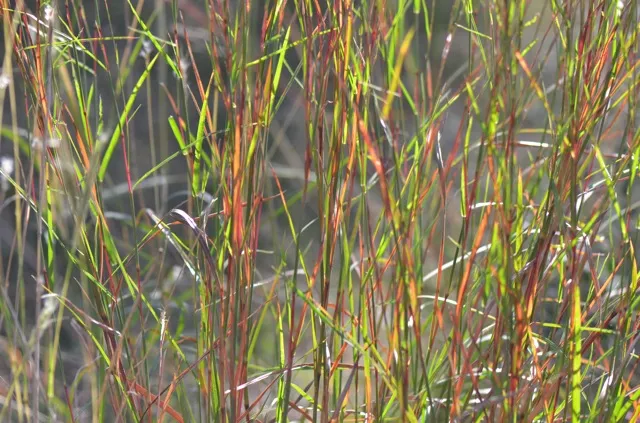
Attractive Grasses For Fall Color
By Delmar Cain We are about midway through the autumn when the light of the mornings and twilight of the evenings make even the fading flowers seem bright. At this time of the year I begin to pay more attention to the grasses many of which are forming their seeds
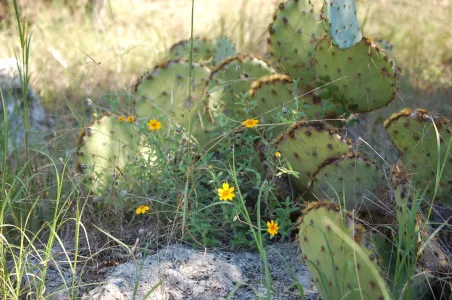
Zexmenia—A Hardy and Versatile Performer
Delmar Cain The beginning of November sometimes gives us cooler weather but it always reminds us that Thanksgiving is right around the corner and that the year is moving swiftly toward a new year. We can still enjoy the browns, grays and yellows of the fall grasses and flowers and
Bexar Roots November / December 2012
**ARCHIVED POST ** from 2012-11-01 Click Here **ARCHIVED POST** **ARCHIVED POST LINKS & PICTURES MAY NOT WORK** **ARCHIVED POST AUTHOR: tmaslonka **
Mexican Buckeye provides color in the fall
**ARCHIVED POST ** Assuming you have the right place for it, the Mexican Buckeye (Ungnadia speciosa) is a great landscape tree. It provides excellent color in the fall with its leaves turning a bright yellow, making a wonderful contrast when placed next to a Big Tooth Maple or a Red
Celebrate Texas Native Plant Week With A Field Trip
By Delmar Cain October 14th through the 20th, 2012 is Texas Native Plant Week. In 2009 the Governor signed a bill passed unanimously by both houses of the Texas Legislature, which designated the third week in October as a week to celebrate and learn about the wonderful heritage of native
Annual awards presented
The Native Plant Society of Texas recognized excellence in writing, acts of conservation and public service, and lifetime achievement in the field of Texas native plants during the annual meeting in Kerrville on October 6.
Annual meeting elects new officers
**ARCHIVED POST ** At the Annual Meeting in Kerrville on October 6, the Native Plant Society of Texas elected new officers and adopted five amendments to its Bylaws. The following members will serve on the Executive Board: Lonnie Childs, President Dell Hood, VP Administration Ricky Linex, VP Advocacy Cathy Lustgarten,
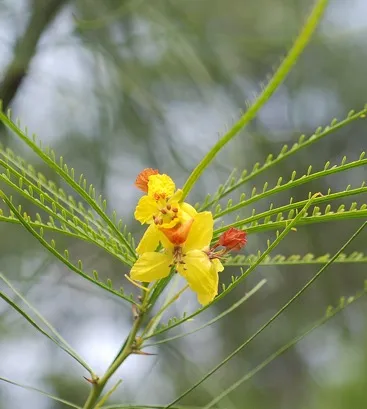
Retama—A NICE Sun Lover
By Delmar Cain These cool mornings are very refreshing. The coffee smells better, tastes better and puts me in the mood to get the dogs out for their morning run. The lower temperatures also remind me that this is an excellent time of the year to put plants and trees
Bexar Roots October 2012
**ARCHIVED POST ** from 2012-10-01 Click Here **ARCHIVED POST** **ARCHIVED POST LINKS & PICTURES MAY NOT WORK** **ARCHIVED POST AUTHOR: tmaslonka **
