

Remembering Tony Manasseri
Our chapter is deeply saddened by the recent passing of long-time member Tony Manasseri. Tony was an absolute cornerstone of our chapter, actively involved in nearly every facet of our work. Whether he was serving as a chapter officer, volunteering for field projects, or sharing his extensive knowledge of native
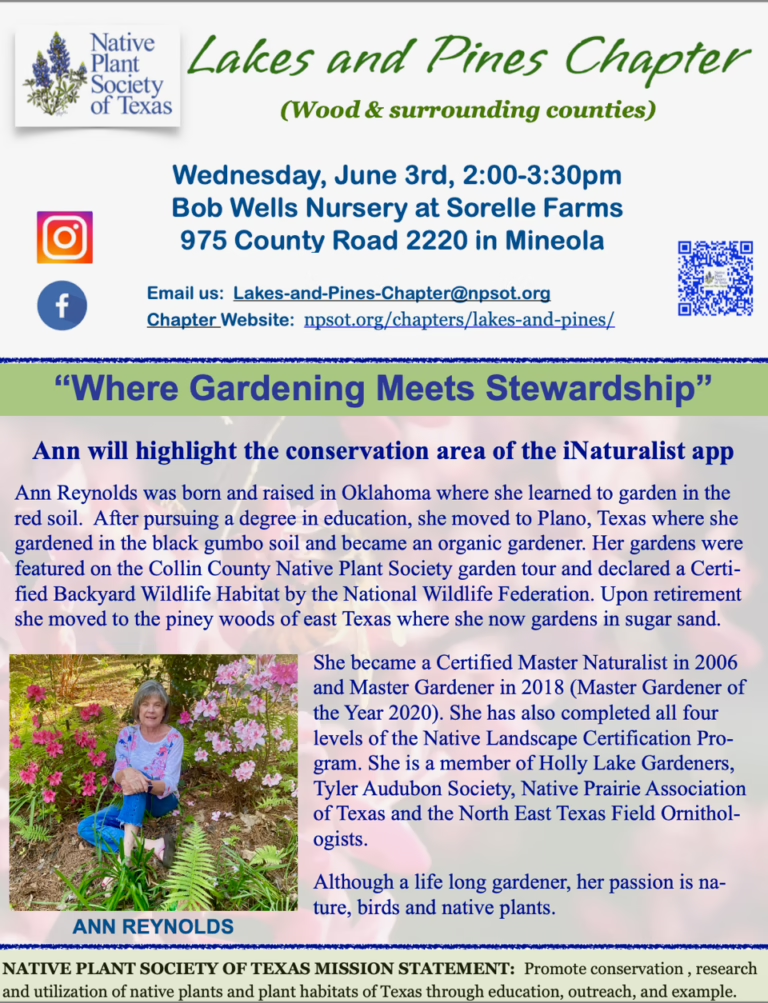
June 3 Lakes & Pines Chapter Meeting: “Where Gardening Meets Stewardship” presented by Ann Reynolds
Ann is a life-long gardener with a passion for nature, birds and native plants. The presentation will highlight the conservation area of the iNaturalist app.
We’re Hiring! Program and Outreach Coordinator
Members, Please help us spread the word! The Society is seeking a Programs & Outreach Coordinator to support the statewide coordination, evaluation, and communication of programs for the Native Plant Society of Texas. This role ensures that programs are delivered with consistency, clarity, and alignment with the Society’s mission, while
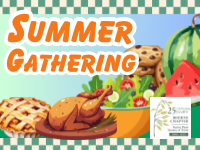
Boerne Chapter Summer Gathering June 2
It’s been a busy spring with wonderful speakers, a fantastic plant sale, field trips, NLCP class offerings and and many other chapter activities. Now it’s time to celebrate the summer break with our traditional Summer Gathering. We hope everyone will be able to join us on Tuesday, June 2 at
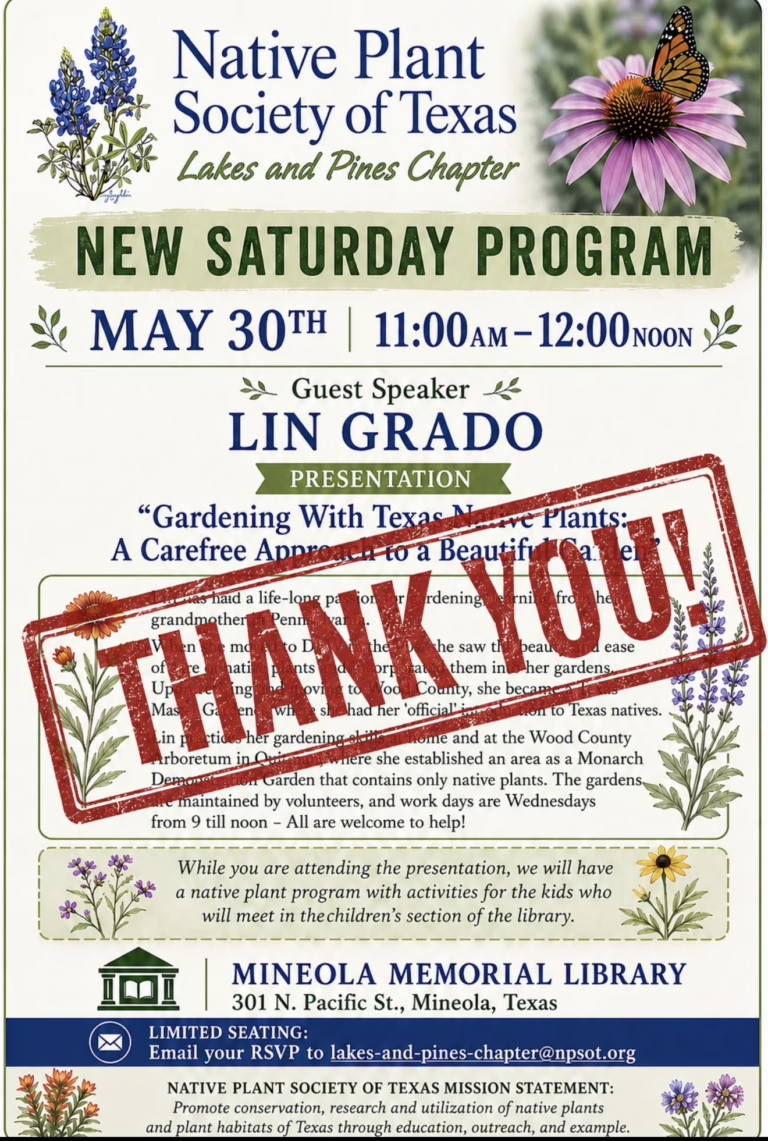
May 30 New Lakes & Pines Chapter Saturday Program
Thanks to everyone who came out to our first L&P Chapter Saturday Program at the Mineola Memorial Library! What a great time we had… it was so GOOD that we didn’t want to leave! A big thank you to Lin Grado for a great presentation and for letting us pick
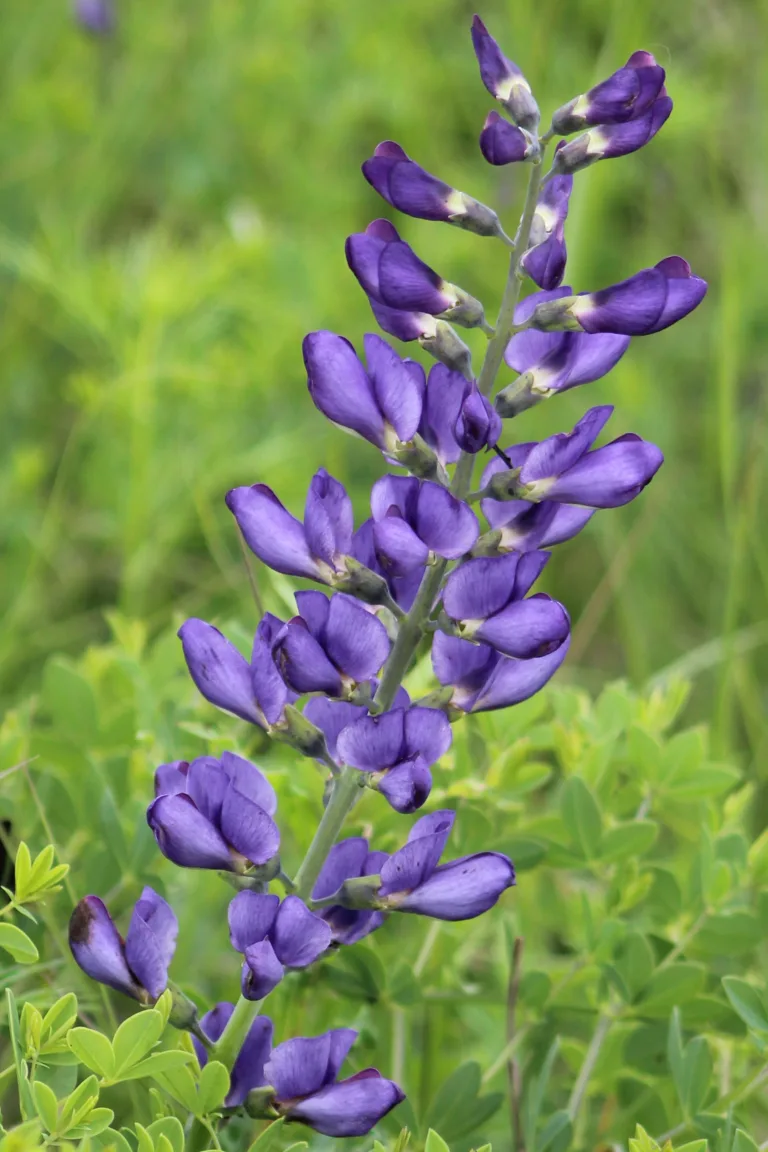
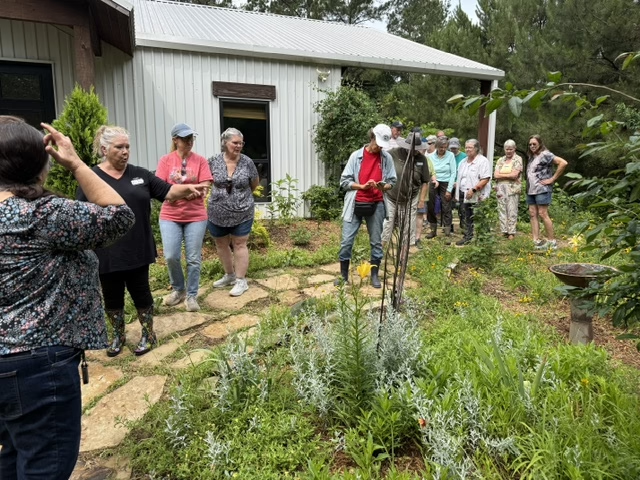
Lakes & Pines Chapter Garden Tour
May 23, 2026 – Around 20 Lakes and Pines Chapter Members met to tour the wooded gardens at Meleena Byram’s home and witness Meleena’s incredible green thumb! Her garden includes a wide variety of native plants as well as unusual plants that she uses in making flower arrangements. Meleena’s creative
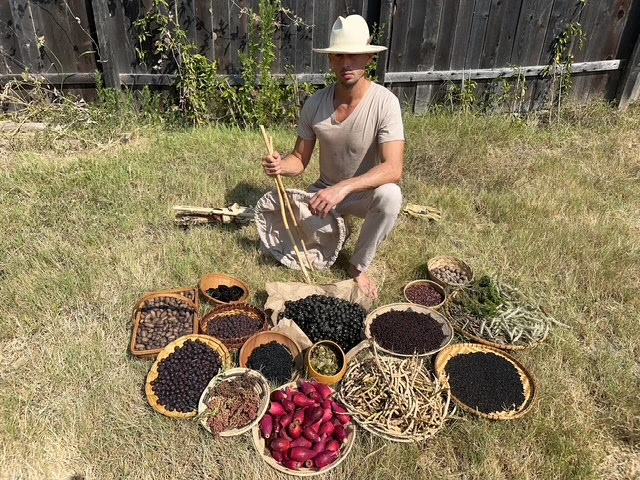
Native Food Plants of Texas: foraging in Austin – based on historical indigenous ethnobotany.
Cyrus Harp, an ethnobotanist, explores the wild food plants of central Texas with us this month as we walk in footprints that are centuries old. ” I have spent a decade foraging wild plant foods in Central Texas, replicating the methods used by the indigenous peoples who harvested them.”

June 2nd Chapter Meeting: Encouraging Native Landscapes in HOA Neighborhoods
Our Tuesday June 2nd chapter meeting will be available to attend in person at the Heard Museum in McKinney or online via Zoom. The program will feature Diane Wetherbee presenting on “Encouraging Native Landscapes in HOA Neighborhoods”. Plus, we will have a guided walk of the Heard’s Gardens before the meeting. Presentation Summary We often hear,

Guided Walk through beautiful old-growth prairie at Clymer Meadow Preserve in Celeste
The Nature Conservancy is holding their Clymer Meadow Preserve Wildflower Tour on Saturday May 16th. Tour start that day at: 9:00 am, 10:30, and noon. Each tour takes about one hour.You must sign-up through The Nature Conservancy site to join this free tour. Clymer Meadow Preserve is a 1,475-acre preserve

May 5th Meeting: An Introduction to the NICE Program – Building Partnerships for Native Plants
Our Tuesday May 5th chapter meeting will be available to attend in person at the Heard Museum in McKinney or online via Zoom. The program will feature Amy Monroy, the NPSOT NICE Native Plants Partner Chair presenting on “An Introduction to the NICE Program – Building Partnerships for Native Plants”. Presentation Summary
