Collin County Chapter

14 on the 14th: Designing a Native Garden for Winter Interest

❄️For this month’s #14onThe14th, we’re celebrating the quiet beauty of the winter garden.

A four-season landscape provides more than just year-round appeal. The berries, seeds, and evergreen shelter offered by native plants are a critical lifeline for local birds and other wildlife when resources are scarce.

14 Native Plants That Shine in a North Texas Winter:

  1. Possumhaw Holly (Ilex decidua)
  2. Yaupon Holly (Ilex vomitoria)
  3. Rusty Blackhaw Viburnum (Viburnum rufidulum)
  4. Eastern Red Cedar (Juniperus virginiana)
  5. Little Bluestem (Schizachyrium scoparium)
  6. Texas Persimmon (Diospyros texana)
  7. Big Bluestem (Andropogon gerardii)
  8. Inland Sea Oats (Chasmanthium latifolium)
  9. Switchgrass (Panicum virgatum)
  10. Purple Coneflower (Echinacea purpurea)
  11. Rattlesnake Master (Eryngium yuccifolium)
  12. Frostweed (Verbesina virginica)
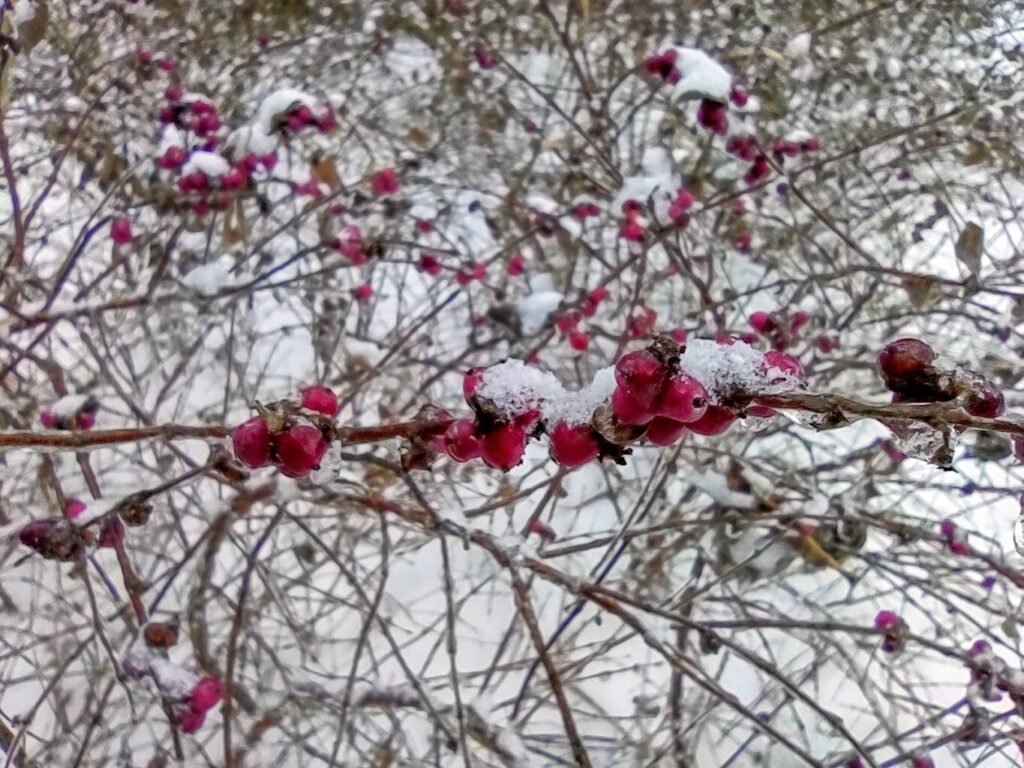
  13. Coralberry (Symphoricarpos orbiculatus)
  14. American Beautyberry (Callicarpa americana)

Ready to create a garden that shines all year long? Discover more about these native Texas plants and others!
About the Region

Fall Symposium 2025 Logo - Teach for the Future

Salado, the location of our Fall 2025 Symposium, lies at the intersection of two ecoregions: the Edwards Plateau (Limestone Cut Plain) and Blackland Prairie (Northern Blackland Prairie).

The Edwards Plateau area is also called the Hill Country; however, this general term covers a much larger area extending farther north. Spring-fed creeks are found throughout the region; deep limestone canyons, rivers, and lakes (reservoirs) are common. Ashe juniper is perhaps the most common woody species found throughout the region. Additional woody species include various species of oak, with live oak (Quercus fusiformis) being the most common. Sycamores (Platanus occidentalis) and bald cypress (Taxodium distichum) border waterways. This area is well known for its spring wildflower displays, though they may be viewed in spring, late summer, and fall, as well. According to Texas Parks and Wildlife, average annual rainfall in the Edwards Plateau ranges from 15 to 34 inches.

The Blackland Prairie extends from the Red River south to San Antonio, bordered on the west by the Edwards Plateau and the Cross Timbers, and on the east by the Post Oak Savannah. Annual rainfall averages 30 to 40 inches, with higher averages to the east. This region is dominated by prairie species. The most common grass species include little bluestem (Schizachyrium scoparium) and Indian grass (Sorghastrum nutans) in the uplands and switchgrass (Panicum virgatum) in the riparian areas and drainages. Common herbaceous flowering plants include salvias, penstemons, and silphiums. This area has suffered greatly from overgrazing and agricultural use. Few intact areas remain, though many of the plants can be found along county roadsides throughout the region.

Our fall Symposium host chapter, the Tonkawa Chapter, includes both of these ecoregions.

Source: Wildflowers of Texas by Michael Eason