Clear Lake Chapter

Chapter Meeting: Putting a Coastal Prairie and Wetland on the Ground at the UH Coastal Center

July 10, 2023

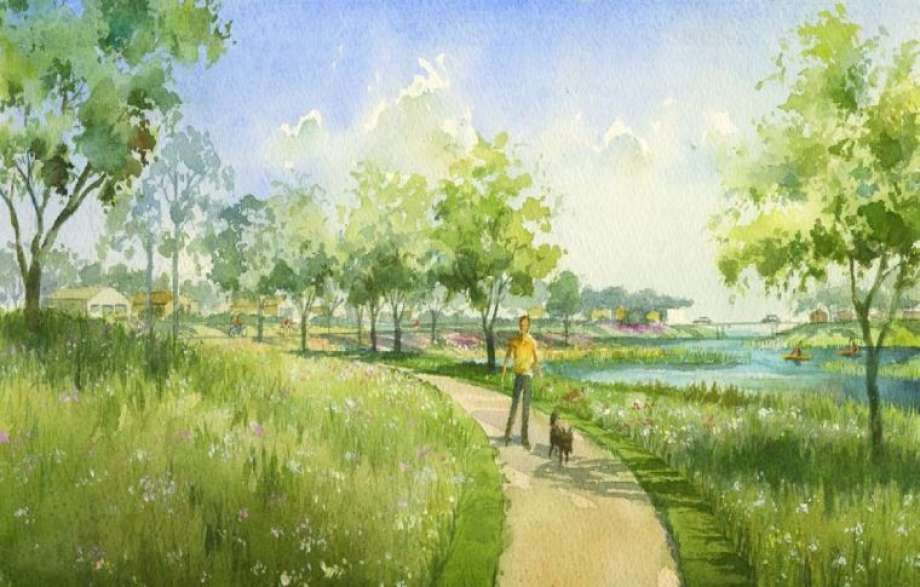
Site of the former World War II Camp Wallace, the acreage is being steadily restored to coastal prairie, bringing its 925 acres under active management. Two hundred acres are being mowed, spot treated with herbicide, and undergoing prescribed burning. This presentation focuses on the special challenges of restoring coastal prairie heavily invaded by woody brush and also summarizes current and planned initiatives. The use of historical documents helps prioritize plans, and the use of multiple approaches.

About the Speaker

Evelyn L. Merz has been the Program Director of the University of Houston Coastal Center in La Marque, Texas, since 2019. Evelyn initiated the concept of designating the UHCC as the Texas Institute for Coastal Prairie Research and Education (TICPRE) and was an active participant in the successful effort for the Texas Legislature to do so in 2017. At UHCC, she is responsible for planning and coordinating restoration activities, community outreach, and assisting with development activities that will further the mission of UHCC and TICPRE. Previously, Evelyn worked in the oil and gas industry and has been active as a volunteer in conservation issues including flood control planning, public lands, and non-game wildlife. She received a B.S. in biological sciences at University of New Orleans and an M.B.A. from University of Houston.

Hosted by Environmental Institute of Houston, University of Houston-Clear Lake.

Related Posts

About the Region

2026 Fall Symposium Logo

This low-elevations region of Texas extends inland from the barrier islands, about 60 or so miles, and stretches from Brownsville to Louisiana. In total, it covers about 9.5 million acres, with a high point of 150 feet in elevation. More than 1000 species of plants can be found in this region. On the southern end, species more common in Mexico (such as Sabal mexicana) and Central America occur.

The barrier islands provide us with dune systems, and clay flats to the inland side, which have species found in these areas alone. Many plants here, such as Ipomoea pes-caprae (beach morning glory), can be found throughout tropical regions of the globe. I’ve encountered the same species on the beaches of Guam.

Once inland, vast marshes and wet prairies occur. Occasionally, oak (Quercus fusiformis) groves can be found. Common grasses include species of Bothriochloa, Paspalum, and Sporobolus; eastern gamagrass (Tripsacum dactyloides); and switchgrass (Panicum species). Many rivers and creeks cut through the Gulf Prairies, and along these riparian areas various species of trees, Sabal minor, and other plants adapted to clay soils can be found. Due to overgrazing, farming, and fire suppression, woody species such as mesquite (Prosopis glandulosa) and huisache (Acacia farnesiana), and invasive species such as chinaberry (Melia azedarach), Brazilian pepper (Schinus terebinthifolius), and Chinese tallow (Sapium sebiferum) have increased and displaced our native flora.

Source: Wildflowers of Texas by Michael Eason