This spring, when considering the native North Texas plants to add to your landscape, do not forget about vines. They are an often-overlooked plant type that offers a variety of benefits to your yard.
In addition to providing habitat for birds and other wildlife, and sustenance for pollinators, vines can add unique visual interest to your landscape:
- Vertical Element: Vines bring a verticalness to landscapes, breaking up flat surfaces to add depth and dimension. They can be used with trellises and pergolas, or to soften the edges of buildings, and deliver a more engaging visual experience.
- Color Spectacle: Many native vines possess beautiful flowers in various colors, adding pops of vibrant hues to your yard.
- Privacy & Seclusion: Vines are excellent at creating living screens and privacy barriers. This allows you to define separate and unique spaces within your landscape.
- Unique Textures and Forms: Beyond their blooms and foliage, native North Texas vines showcase twining stems and cascading tendrils to add to the overall visual interest of your garden.
Below, we highlight four of the more popular native vines that are often available at local nurseries selling native Texas plants and native plant sales.
Coral Honeysuckle (Lonicera sempervirens)
Lonicera sempervirens, commonly known as Coral Honeysuckle, is a versatile native vine that thrives in North Texas landscapes. Its twining behavior provides many interesting characteristics, making it a desirable addition to any yard.
- Beautiful Blooms: Trumpet-shaped flowers in shades of red are typically displayed in clusters from spring to early summer but can produce blooms for much of the year.
- Hummingbird Haven: The long, nectar-rich blooms create a welcome mat to your garden, attracting hummingbirds, along with butterflies and bees.
- Evergreen Appeal: While not strictly evergreen, Coral Honeysuckle retains most of its glossy green leaves in North Texas, offering year-round visual interest.
- Low Maintenance: This adaptable vine thrives in various soil conditions and requires minimal pruning.
- Support Welcomed: While typically used with a structural support to help it climb vertically, it can also be used as a ground cover.
- Wildlife Habitat: Birds enjoy the red berries that appear in late summer, plus the vines and leaves provide shelter.
- Sun Seeker: Coral Honeysuckle enjoys full sun for optimal flowering but will tolerate some shade.
- Good Drainage: Well-drained soil is critical; it dislikes soggy conditions.
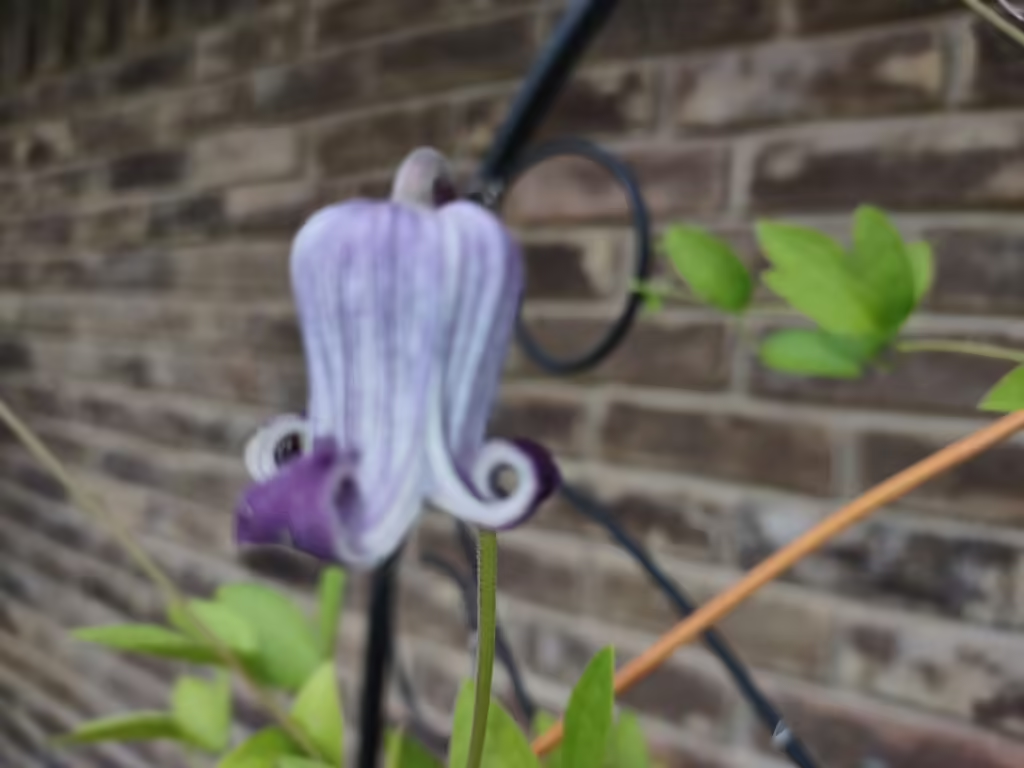
Leatherflower (Clematis pitcheri)
The captivating purple Leatherflower is a native North Texas vine that combines subtle beauty and ecological benefits. This delicate wonder flaunts its allure through a unique combination of characteristics.
- Velvet Elegance: Leathery, bell-shaped flowers in a deep, velvety purple that bloom from late spring to early fall.
- Bloom Time: While the individual flowers only last a few days, the overall bloom time is long.
- Sturdy Support: The slender vines reach up to 10 feet, so they need sturdy structures with many supporting points for their twining tendrils to climb.
- Butterfly Base: The fragrant blooms attract butterflies and others, creating a pollinator haven.
- Graceful Ending: The Leatherflower dies back gracefully in winter, revealing its beautiful, feathery seed heads that add winter interest.
- Water Wise: Clematis pitcheri is drought-tolerant, making it a perfect choice for hot, dry summers.
- Low Maintenance Magic: Thrives in various soil conditions and requires minimal pruning.
- Sun Seeker: Full sun to partial shade is ideal, and like the Coral Honeysuckle, it needs well-drained soil.
Crossvine (Bignonia capreolata)
Known for its vibrant and trumpet-shaped flowers, Crossvine also possesses glossy, deep green leaves. The clusters of tubular red-orange or yellow flowers bloom profusely in spring.
- Beautiful and Hardy: It is a hardy and drought-tolerant plant, making it ideal for North Texas.
- Pollinator Magnet: Its mass of flowers attracts pollinators like hummingbirds and butterflies.
- Proficient Climber: A climbing, woody vine that can reach 50 ft. long, if left to its own devices.
- Little Support Required: Their adhesive pads at the end of the tendrils allow them to cling to stone, bricks, and fences without support.
- Semi-Evergreen: Persistent, glossy, semi-evergreen leaves change from dark green in summer to reddish-purple in winter.
Virginia Creeper (Parthenocissus quinquefolia)
Unlike the previous three native vines, Virginia Creeper prefers the shade. Plus, it is not just a climber; it’s a landscape transformer, useful as a vine or a ground cover. This adaptable wonder boasts a stunning array of characteristics, making it a go-to choice for many challenging garden environments.
- Five-Leaf Fav: Vibrant green leaves, each with five deeply lobed leaflets, provide a dense canopy or privacy wall throughout the summer.
- Fall Foliage: Come autumn, the foliage explodes in orange, red, or purple, adding a breathtaking touch to your landscape.
- Climbing Champ: Virginia Creeper easily scales walls, fences, or trees using adhesive discs on its tendrils, leaving no marks.
- Wildlife Friend: Birds flock to their blue-black berries in late fall, while the dense foliage provides shelter for small animals.
- Sun or Shade: Tolerates partial sun / shade, making it a versatile contributor to your garden.
This spring, consider including native North Texas vines in your landscape plans. They offer unique characteristics that help local wildlife, add unique vertical visual interest, and beautify your landscape.