In our North Texas woodlands, there is an unassuming but essential gem among our native plants – Sedges (Carex). They often reside out of sight and with little notice across North America and here in North Texas. Amazingly, the Wildflower Center database lists over 650 species of Sedges in North America and over 100 in Texas.

A Building Block for Native Landscapes
This underappreciated little plant plays an indispensable role in our North Texas ecosystem and provides many options for native plant enthusiasts. Easily mistaken for grasses, these humble plants offer a wealth of ecological benefits, making them vital components in both natural habitats and cultivated landscapes.
Not Just a “Grass Substitute” – The Importance of Sedges
With native prairie grasses and showy native perennials often taking the limelight, the Sedge is an unsung but critical part of North Texas’ ecosystems. Native Carex are as important ecologically as they are unnoticed. They serve as linchpins in the environment, connecting multiple elements and contributing to overall biodiversity and vitality. They provide the following benefits to our ecosystem:
- Biodiversity Boosters: Sedges create a diverse plant community, attracting pollinators like butterflies and bees with their subtle flowers.
- Moisture Regulators: They thrive in moist areas and can help retain water during dry spells.
- Soil Stabilizers: Their deep fibrous root systems anchor soil, preventing erosion on slopes and banks of streams and rivers.
- Wildlife Habitat: Sedges provide valuable food and cover for many creatures. Seeds are a food source and nesting site for birds. Plus, its dense foliage offers shelter for small animals like reptiles and amphibians.
Sedges are a foundational element in our woodlands, as well as wetlands, prairies, and riparian areas. Their ability to flourish in diverse habitats can make them a great addition to your landscape.
A Resilient and Adaptable Plant for Your Native Landscape
Carex appears very similar to grasses but are often more shade-tolerant. A key in identifying Sedges is they have a triangular stem, unlike the round stems of grasses. Also, Sedges tend to be spring bloomers, their seed heads typically form in April, unlike the fall blooms of native grasses.
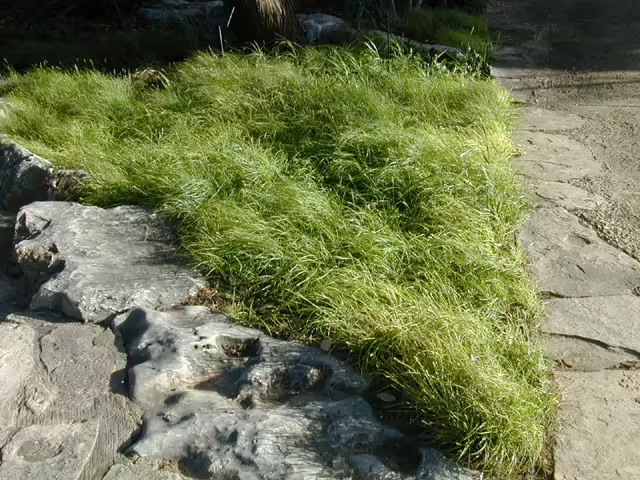
In garden settings, Sedges provide a variety of opportunities for native landscapes requiring shade-loving, resilient, and evergreen plants. Their graceful foliage adds depth and interest to gardens, creating an appealing landscape throughout the year. Below are some of the many benefits native Sedges can bring to North Texas native gardens:
- Erosion Control: They are excellent for slopes and rain gardens, helping prevent soil erosion.
- Hardiness: Their small size belies their hardiness and relatively few diseases or insect problems.
- Low-Maintenance: These drought-tolerant plants require minimal watering once established.
- Pollinator Paradise: Their tiny flowers attract butterflies and bees, promoting a healthy garden ecosystem.
- Versatility: Species come in various sizes and textures, offering options for borders, edging, mass plantings, and container gardens.
- Weed Suppressor: The dense foliage of Sedges can suppress weeds, reducing the need for herbicides in your garden.
- Year-round Interest: Most Sedges retain their green foliage throughout the year, adding textural interest to winter landscapes.
Key Carex Species Native to North Texas
North Texas is home to a rich mix of Carex species, each with distinctive characteristics and ecological niches. Below are notable native Sedges found in our region:
| Common & (Latin) Name | Height | Light Reqs | Water Reqs | Native Habitat |
| Eastern Woodland Sedge (Carex blanda) | Up 24 inches | Adaptable to all light conditions | Moist | Frequently found in moist woods, creeks, and river terraces in North Central Texas. |
| Cherokee sedge (Carex cherokeensis) | Up to 18 inches with flowers | Part Shade | Moist – Wet | Abundant in sandy loam in the woodlands of East, Southeast, and North Central Texas. |
| Cedar Sedge(Carex planostachys) | About 6 inches | Part Shade | Dry | Prairies, plains, savannas, and pastures throughout Texas. Mostly in the shade and soil beneath junipers (“cedars”). |
| Texas Sedge (Carex texensis) | Up to 12 inches | Sun to Part Shade | Dry – Moist | Sandy woodlands and savannas across the state. |
Sedges are one of the unsung heroes of North Texas’ woodlands and other ecosystems. Do not let their understated appearance deceive you; they play an essential role in maintaining ecological balance and supporting biodiversity. With their hardiness, resilience, and adaptability, they offer a myriad of opportunities to enhance your native landscape.