

Tag: landscaping with native plants

Native Plants

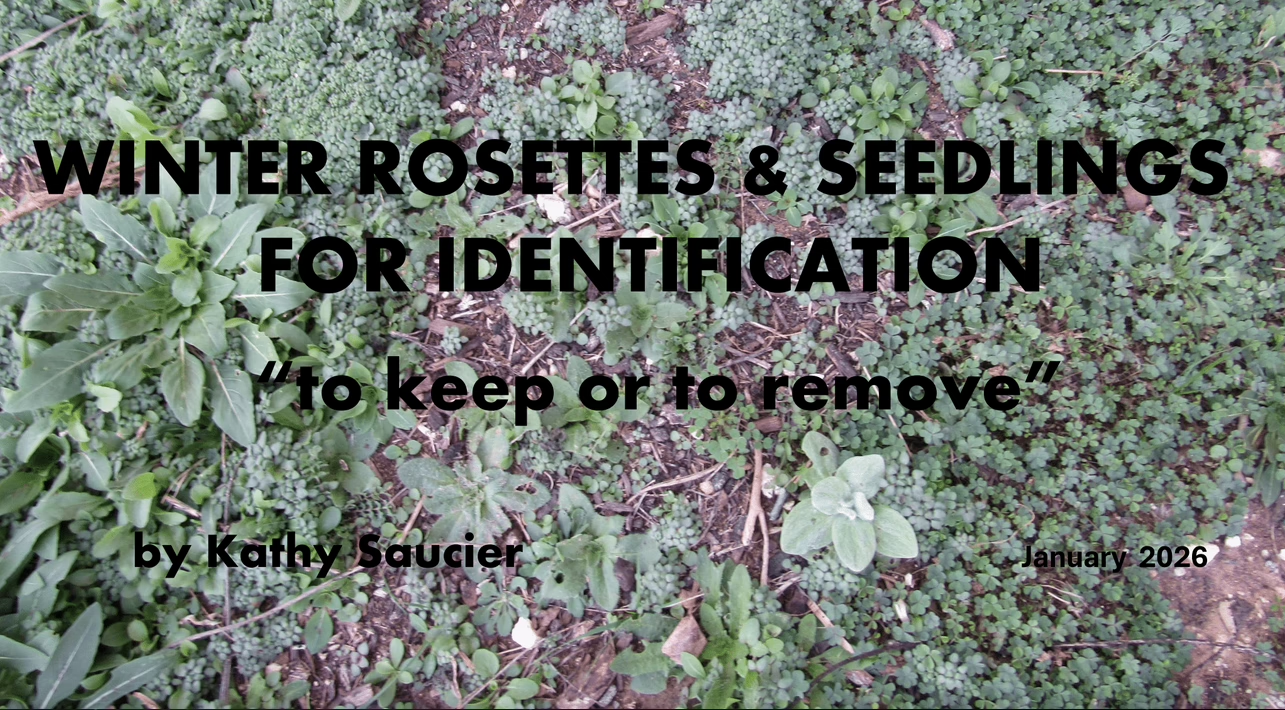
Winter Rosettes and Seedlings for Identification

Saucier opens her presentation with rosette photos of native as well as invasive plants as they begin to stretch toward spring. Each is followed with a picture of the the fully developed plant in bloom.

Now for the decision in your garden and field. Which are weeds that are more easily dealt with now. Which are the flowers we enjoy fully that we need to transplant while they are young.

Chapter

What Happened to that Plant?

It’s time to reflect on what happened in your landscape this year as you head into prime native planting season. Arlon Motsch, an avid native plant gardener, photographer, and water conservationist will share his insights about what worked, what didn’t, and look at a few plants that need more time to tell. “Learning,” he said, “has come from many local sources like NPSOT, friends, friendly neighbors, nature centers, gardening programs, and just hands-on getting it done.”

Scholarship recipient

Calvin Nering – 2025 recipient of $2000 “Bill Lindemann Scholarship”

The Fredericksburg Chapter of the Native Plant Society of Texas (NPSOT) has awarded its $2,000 “Bill Lindemann Scholarship” to Calvin Nering, a student at the University of North Texas. Nering expects to receive his Bachelor of Science degree in Ecology for Environmental Science, with a minor in Geography, in spring 2026.

Chapter Meeting

Be Prepared for the Next Wildfire with Fire-Resistant Landscaping July 22

A spark can quickly become a wildfire like it did during the Crabapple fire that burned nearly 10,000 acres and destroyed nine residences and several other buildings. Are you ready for the next fire? A fire could strike at any moment and with the right conditions threaten your home regardless if you live on acreage in the county or in a subdivision.

Conservation

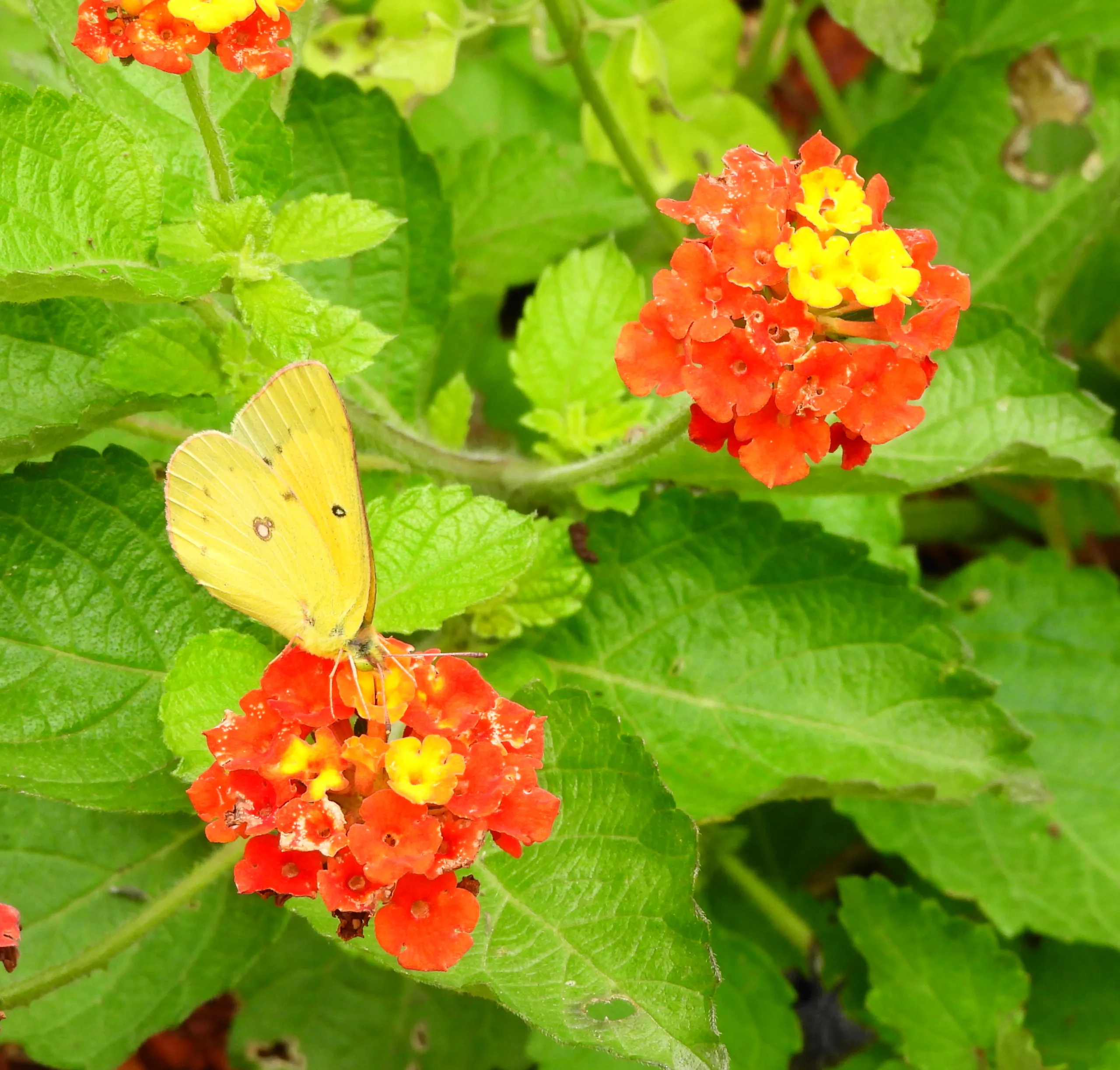
Texas Lantana – a N.I.C.E. plant for a HOT summer

A native, bullet-proof plant for the hot Texas summer, the Texas lantana resists drought, heat, and deer. The Texas lantana is sometimes called “Calico Bush” for the patchwork colors in the flower clusters that change from yellow to orange to red as they age.
PLEASE DON’T PLANT THE PINK AND YELLOW LANTANA

Chapter Meeting

Landscaping from the Ground Up, June 24

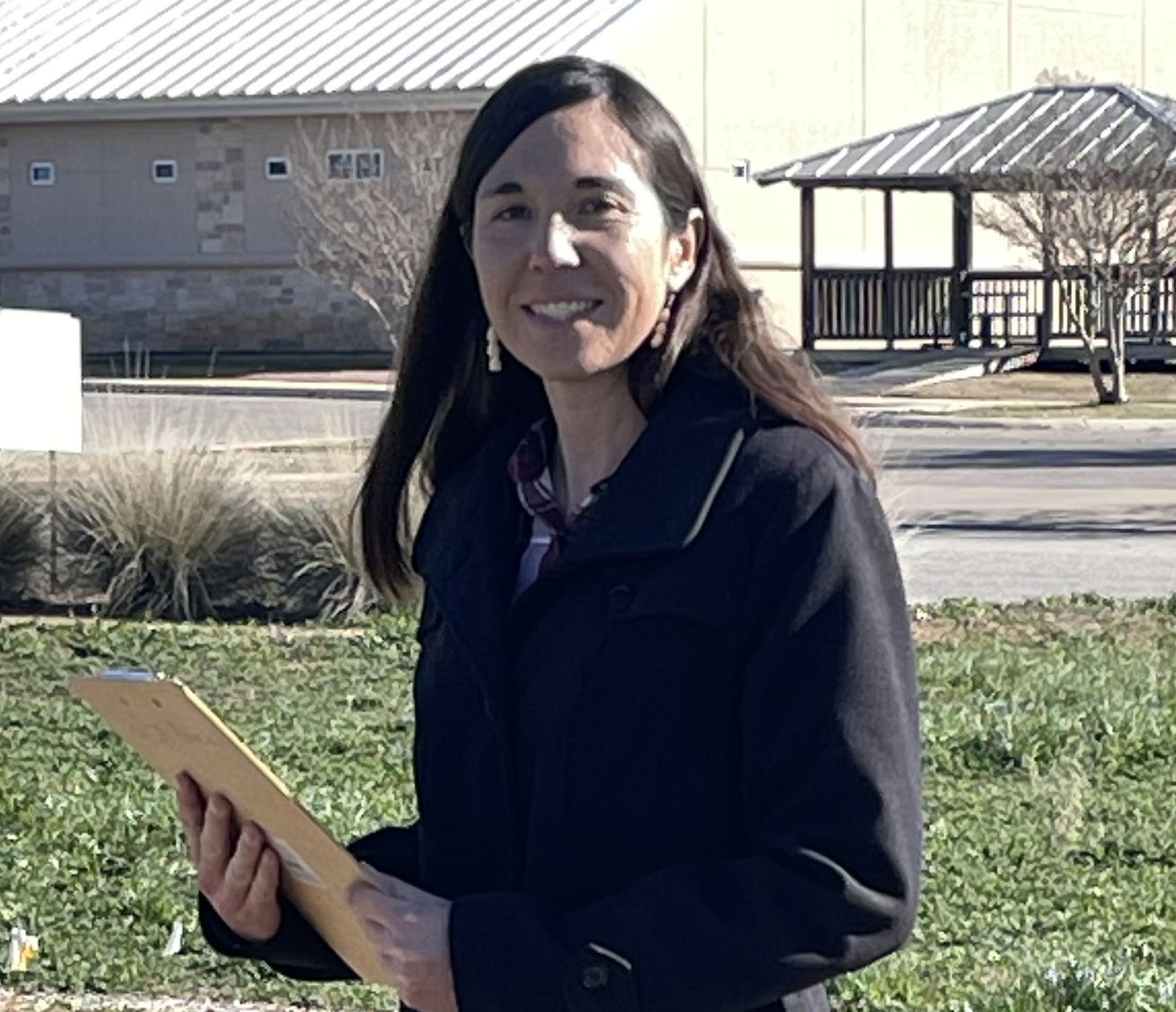
Building a new house, or moving into one, can be daunting. Luckily, Kathy Saucier has experience with Texas native landscaping. She shares the opportunities and challenges of working with a blank slate around your home at the June 24 meeting of the Native Plant Society of Texas (NPSOT), Fredericksburg Chapter. She also describes how she explored which Texas natives would thrive and support the wildlife around the property

Chapter Meeting

Beautiful Native Grasses of the Texas Hill Country

“When we think of native plants, we usually think about the pretty wildflowers along our roadways, but there’s so much more” said Jonathan Watt, president of NPSOT Fredericksburg. “I’m really looking forward to hearing from Beth McMahon about why our native grasses are beautiful, too, and what they provide for our ecosystem.”

About the Region

2026 Fall Symposium Logo

This low-elevations region of Texas extends inland from the barrier islands, about 60 or so miles, and stretches from Brownsville to Louisiana. In total, it covers about 9.5 million acres, with a high point of 150 feet in elevation. More than 1000 species of plants can be found in this region. On the southern end, species more common in Mexico (such as Sabal mexicana) and Central America occur.

The barrier islands provide us with dune systems, and clay flats to the inland side, which have species found in these areas alone. Many plants here, such as Ipomoea pes-caprae (beach morning glory), can be found throughout tropical regions of the globe. I’ve encountered the same species on the beaches of Guam.

Once inland, vast marshes and wet prairies occur. Occasionally, oak (Quercus fusiformis) groves can be found. Common grasses include species of Bothriochloa, Paspalum, and Sporobolus; eastern gamagrass (Tripsacum dactyloides); and switchgrass (Panicum species). Many rivers and creeks cut through the Gulf Prairies, and along these riparian areas various species of trees, Sabal minor, and other plants adapted to clay soils can be found. Due to overgrazing, farming, and fire suppression, woody species such as mesquite (Prosopis glandulosa) and huisache (Acacia farnesiana), and invasive species such as chinaberry (Melia azedarach), Brazilian pepper (Schinus terebinthifolius), and Chinese tallow (Sapium sebiferum) have increased and displaced our native flora.

Source: Wildflowers of Texas by Michael Eason