

 The Native Plant Society of Texas (NPSOT) Fredericksburg chapter opened its new season Tuesday, January 27. The meeting was cancelled due to extreme winter weather. However, Kathy Saucier, our resident Certified Wildscape instructor, presented her challenge to oub observational skills live on our YouTube at 3:00 Friday, January 30.
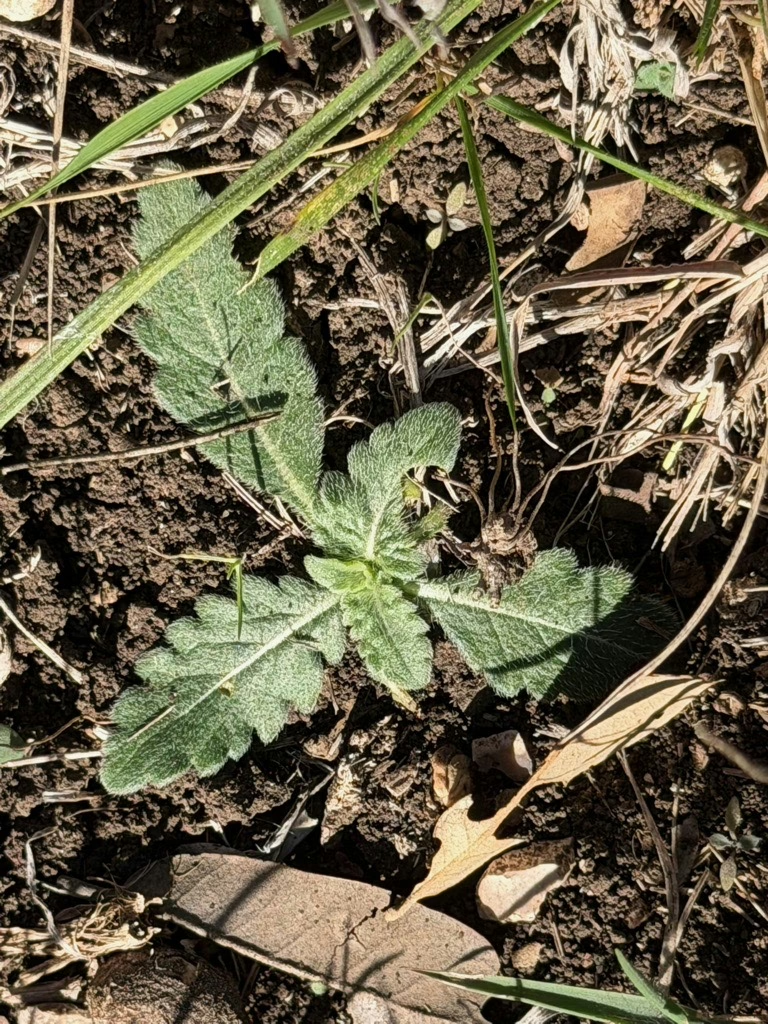
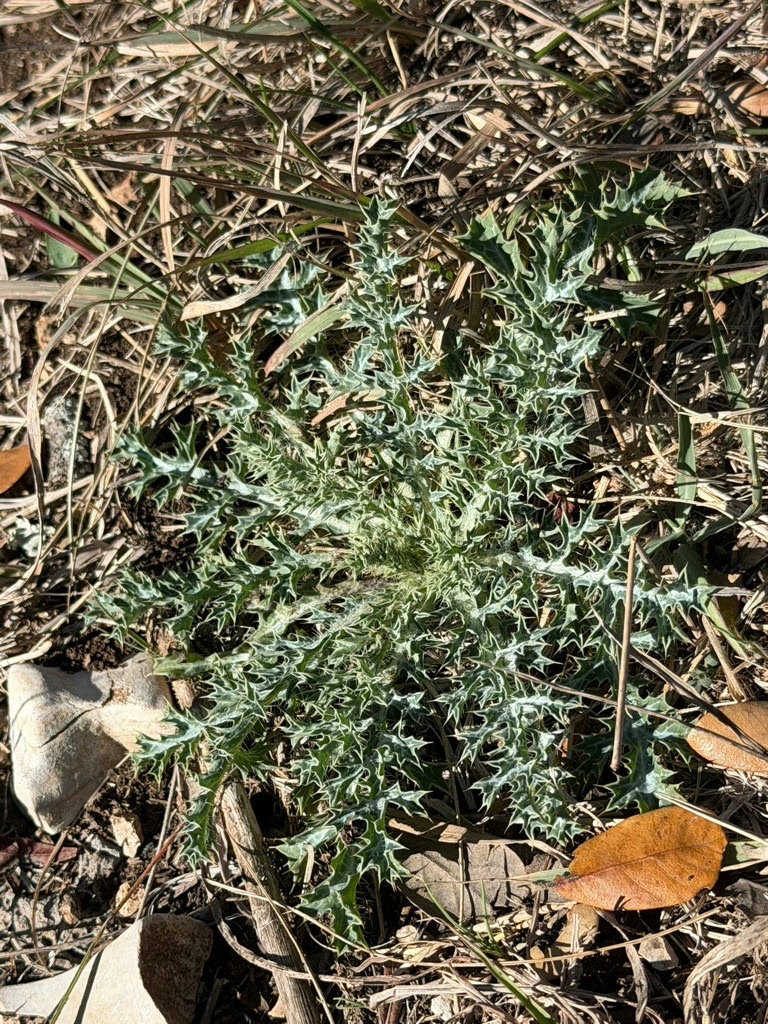
A close look under the fallen stems and leaves of last year’s wildflowers and grasses reveals that many new plants have already germinated and are showing their first and second sets of leaves. However, do we want each one!
Saucier opens her presentation with rosette photos of both native and invasive plants as they begin to stretch toward spring. Each is followed with a picture of the the fully developed plant in bloom.
Now for the decision in your garden and field. Which are weeds that are more easily dealt with now. Which are the flowers we enjoy fully that we need to transplant while they are young.
Saucier is a Fredericksburg home-grown naturalist. She explored the natives in north Texas, but since she grew up in the Hill Country, she began using natives from this region in her own garden during the 1980s. It was a natural step to being involved with NPSOT in 1992 and teaching classes in NPSOT’s Native Landscaping Certification Program. She and her husband now reside in their new home on the 120-year-old Leyendecker family farm in southwest Gillespie County. She has identified more than 220 Texas natives on their 40 acres and added another 70 native species to it as well. This diversity of native plants provides habitat for more than 70 species of birds and 250 invertebrates (butterflies, moths, spiders, bees, beetles, etc.).
NPSOT Fredericksburg holds its monthly meetings on the 4th Tuesday of the month at St.Joseph’s Halle (212 W. San Antonio St., Fredericksburg). Meetings are free and open to the public.
We invite you to attend in person or via online streaming at Fredericksburg Texas Native Gardening
Come early at 6:30 pm to meet us and enjoy a snack. The short business meeting and program begins at 7:00.
