Using iNaturalist for the City Nature Challenge – Hybrid Clear Lake Chapter Meeting
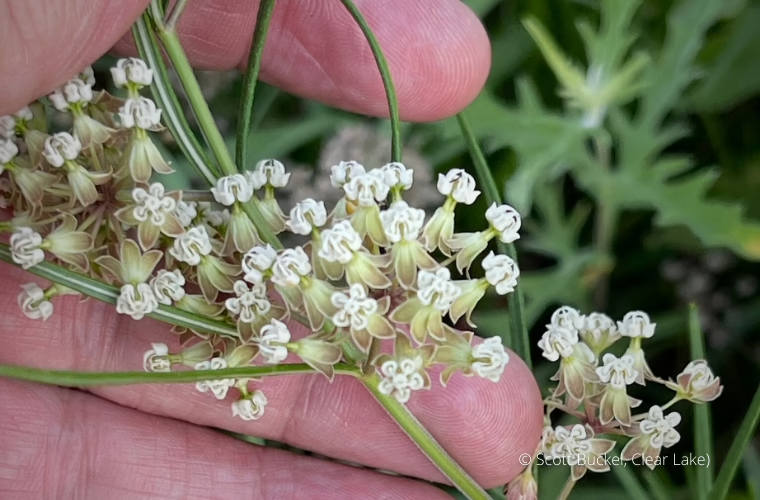
Monday, April 13 — Clear Lake Chapter Meeting — Learn how to use iNaturalist to document nature and contribute to the City Nature Challenge.
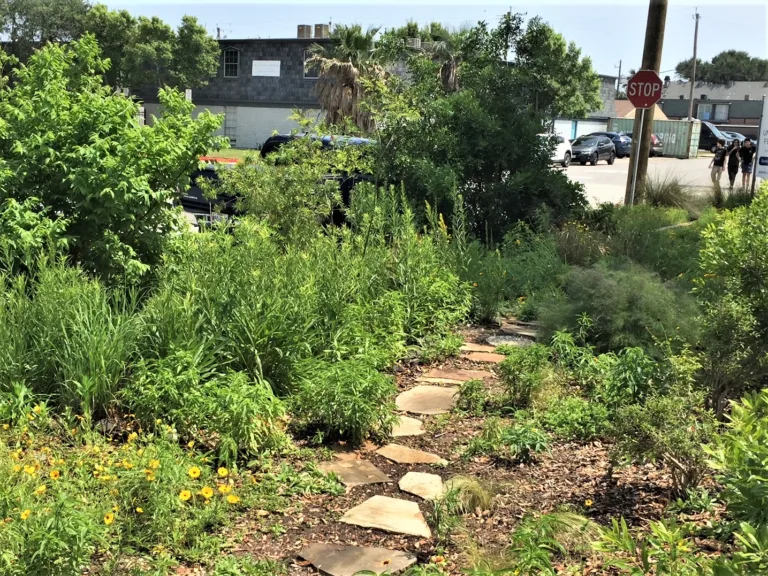
Chapter Meeting: How Can I Tame a Water-thirsty Yard? Getting Started on Xeriscape
Learn what “xeriscape” means and its basic principles. See an actual yard transformation and examples of xeriscapes. Suggested plants for our ecoregions are discussed.
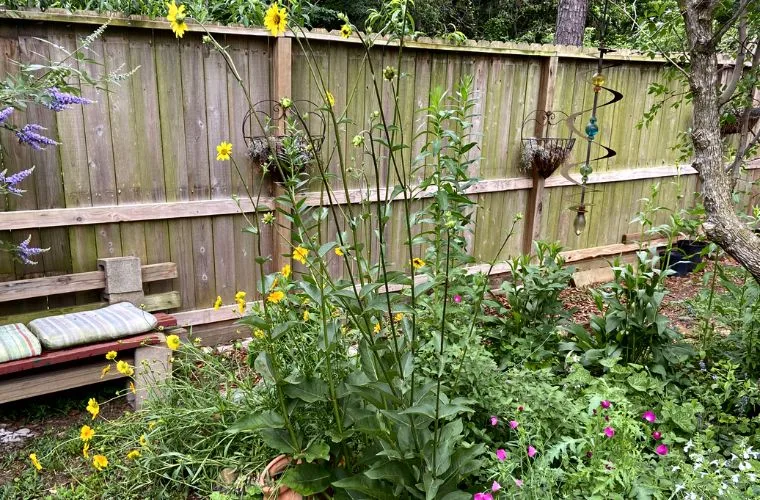
Chapter Meeting: Struttin’ Our Stuff, Season 3
Chapter members share their triumphs and growth stories from their own native plant gardens.
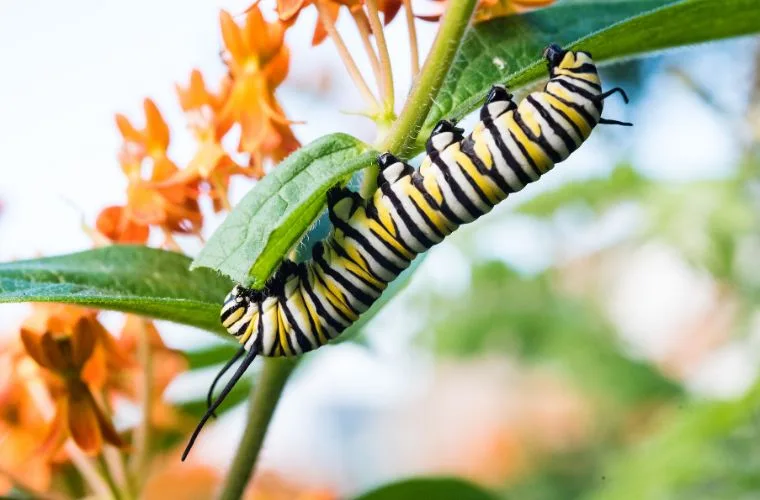
Chapter Meeting: OE in Monarchs and What You Can Do to Reduce It
Greg and Linda Pearson will delve into the world of Ophryocystis elektroscirrha (OE) and its profound impact on our beloved Monarch butterflies.
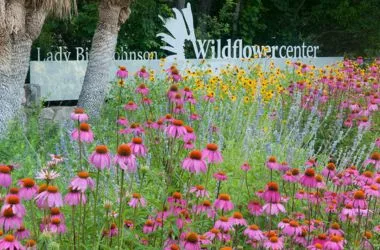
Chapter Meeting: How the Native Plants of North America Can Be a Useful Resource to You
Joe Marcus will cover the history of the Lady Bird Johnson Wildflower Center’s Native Plants of North America (NPONA) resource, the current state of the resource, and upcoming changes.
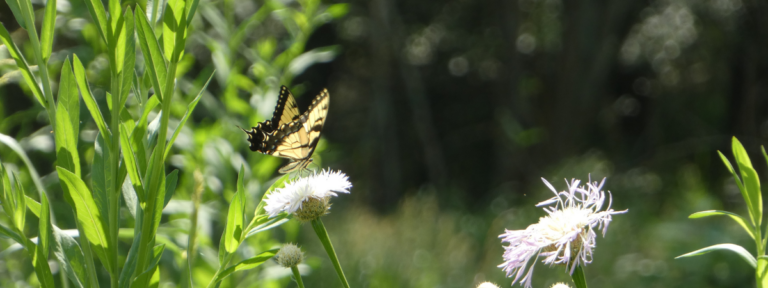
Chapter Meeting: New Prairies on the Block
A coastal prairie double feature — The Dick Benoit Prairie and Prairie/Savannah restoration on the UHCL campus.
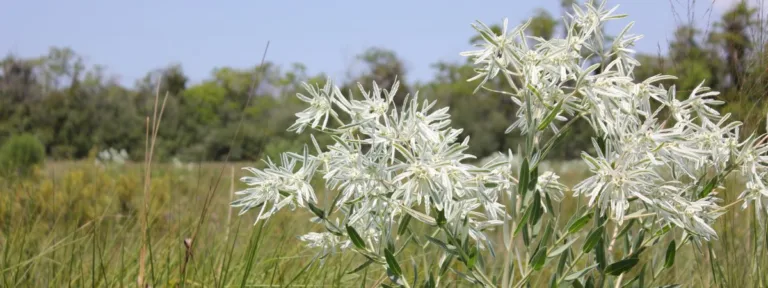
Chapter Meeting: Putting a Coastal Prairie and Wetland on the Ground at the UH Coastal Center
Learn about the coastal prairie restoration happening at the UH Coastal Center in La Marque.