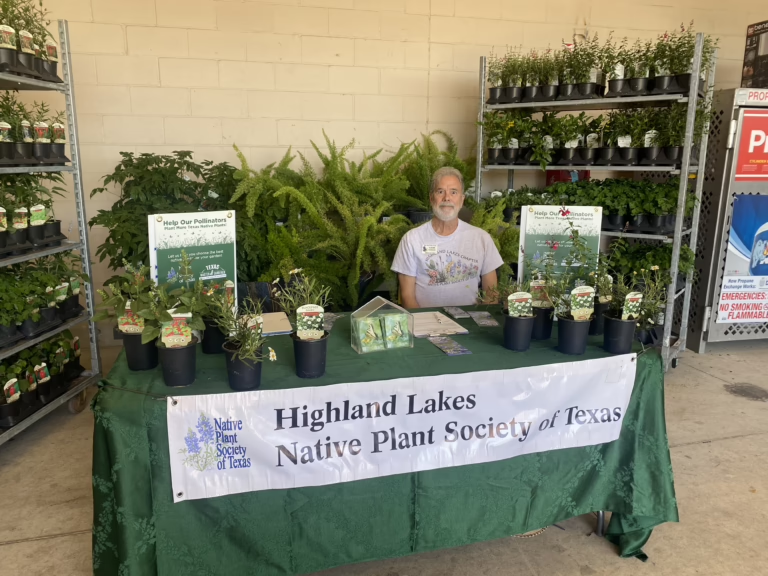
HEB Native Plant Sale in Highland Lakes Area
Claude Harding (pictured) and Fred Zagst visited with customers about native plants at the Marble Falls H-E-B today. Members will also be set up in Kingsland and Burnet next Sunday from noon to 4:00.
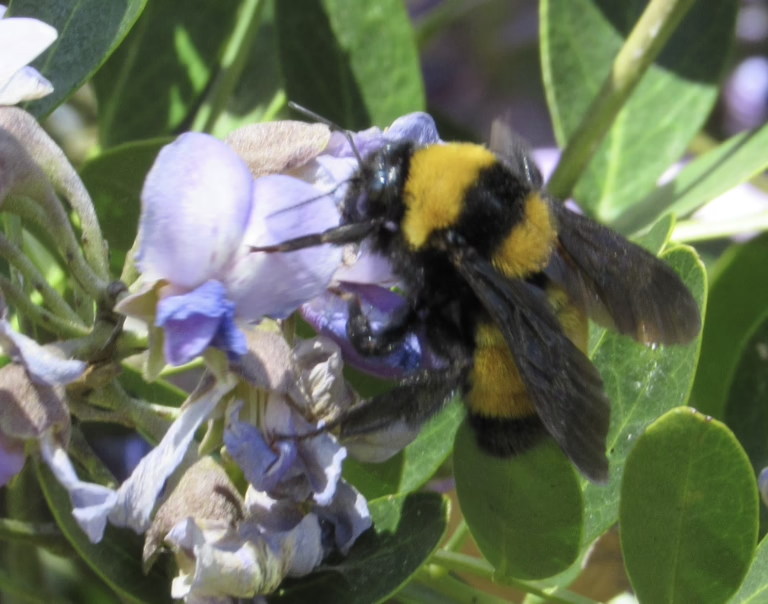
Spring Photo Contest
The HLNPSOT Photo Contest is a great excuse to get out and enjoy Texas native plants in their springtime finery. The prizes are Backbone Valley Nursery gift cards – so you can buy more native plants, of course! The deadline to submit your pictures of native plants (taken this year only) is April 30.
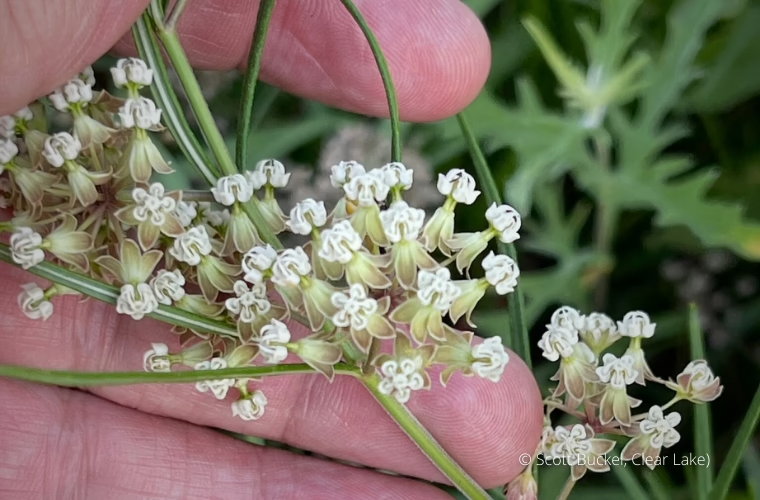
Chapter Meeting: Using iNaturalist for the City Nature Challenge
Scott Buckel will introduce iNaturalist and show how your nature observations can support community science and the upcoming City Nature Challenge.
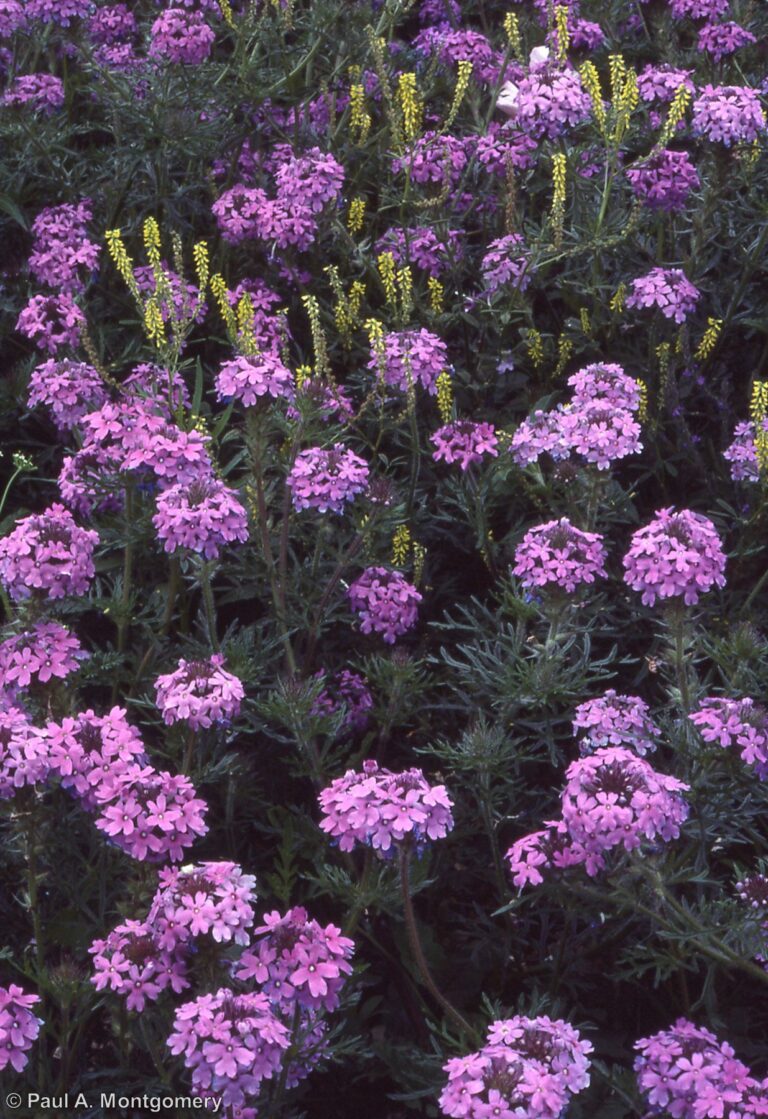
March 2026 Plant of the Month
An early bloomer in Central Texas, just in time for the early pollinatorsClick on the plant below for more details
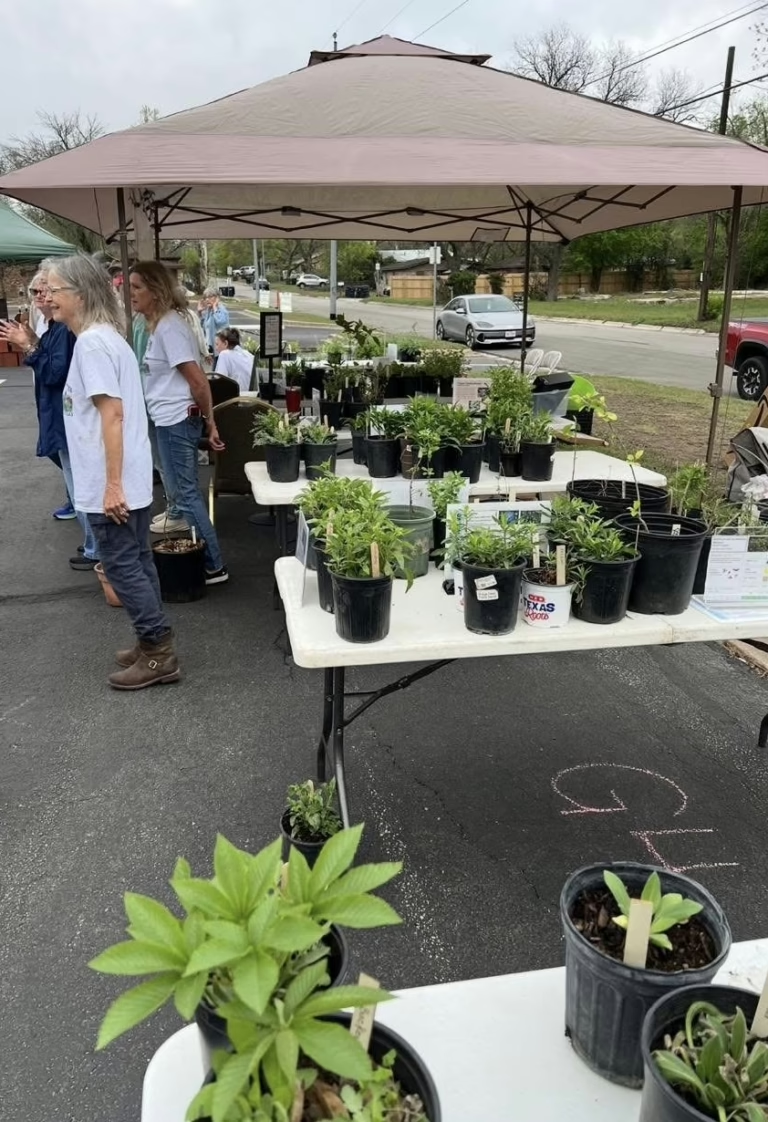
Spring Plant Sale
Each year, members of the Native Plant Society of Texas (NPSOT), Highland Lakes chapter, grow native plants that you may not find in typical retail garden centers. These plants are ready for new homes! When and Where Check out the plants for sale here. https://www.npsot.org/chapters/highland-lakes/highland-lakes-plant-sale/

Nominations Are Open for 2026 Annual Awards!
Nominations are now open for the annual awards recognizing the achievements of individuals and groups whose work enriches our understanding and appreciation of Texas native plants. The awards are: NATIVE STAR AWARD honoring an organization, agency, or group for a specific act of conservation or public service in the field of Texas native
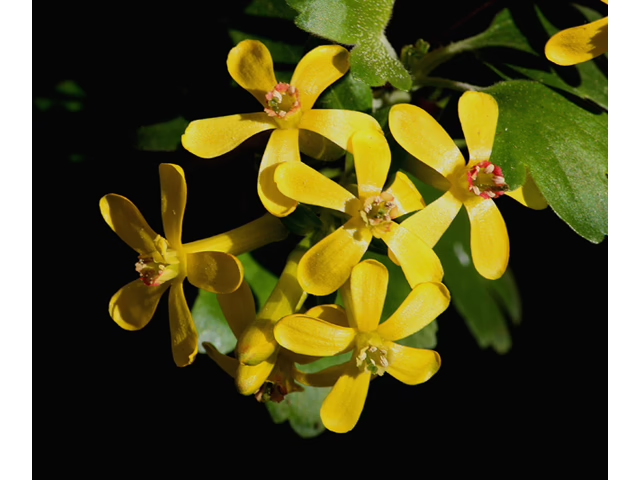
The In-Between Appeal of Clove Currant
Bringing together eye-catching blooms, fragrance, and adaptability Ribes aureumvar. villosum (synonym Ribes odoratum) is a hardy native deciduous shrub with early-season flowering, a noticeable fragrance, and strong wildlife support. We began with its scientific name, because it has many common names, all with a nod to its edible berries, including
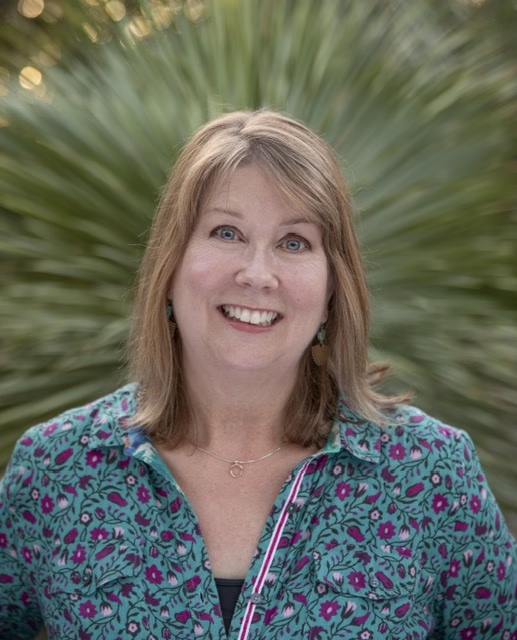
Gardens of Texas: Growing with Resilience
Pam Penick, our March 24 Fredericksburg speaker, is a Texas garden writer, speaker, and advocate for climate-resilient design. This month she shares practical strategies for creating gardens that weather the storms in our changing climate and grow stronger — and see how cultivating resilience in your landscape can also cultivate it in yourself.
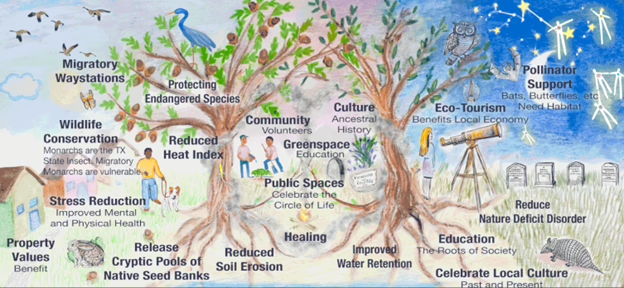
April 7th Chapter Meeting – From Forgotten Ground to Living Memory
Our Tuesday April 7th chapter meeting will be available to attend in person at the Heard Museum in McKinney or online via Zoom. The program will feature Julie Fineman of the Constellation of Living Memorials presenting on “From Forgotten Ground to Living Memory: Reimagining Forgotten Cemeteries to Reconnect People with
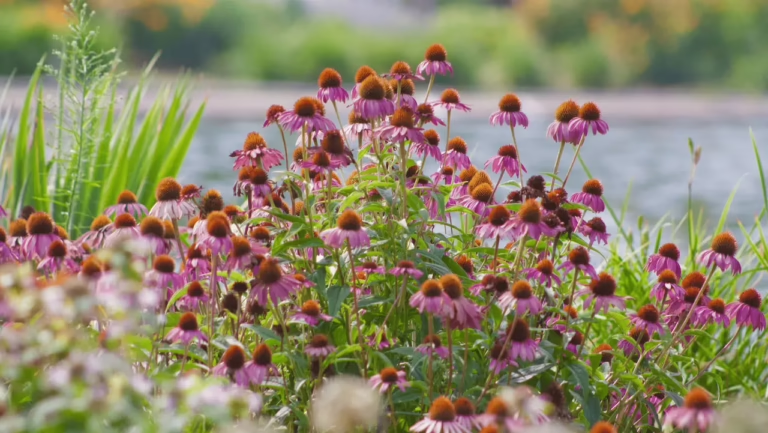
Boerne Chapter Meeting April 7
Learn all about rain gardens on April 7! Designed to beautify the landscape, while taking advantage of water that would otherwise run down the storm drain, rain gardens are a great way to increase your rainwater harvesting capacity. Rainbees rainwater experts and consultants Larry Sunn, EdD and Steven Grainger, PhD
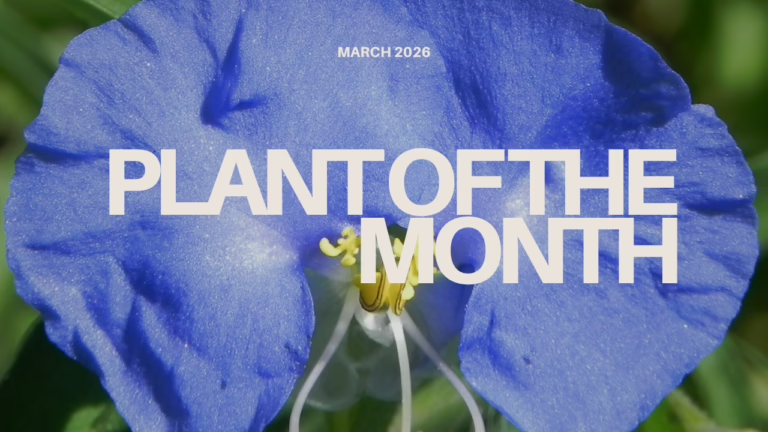
Plant of the Month: Dayflower
Our plant of the month for March 2026 has bright‑blue “butterfly wings.”
Botanical name: Commelina erecta
Common name(s): Dayflower, White Mouth Dayflower, Slender Dayflower, Widow’s Tears
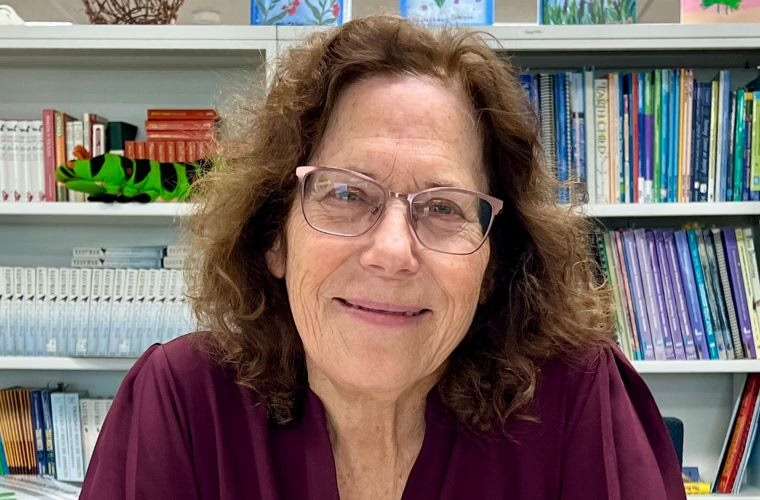
Meet our Membership Director Nancy Robinson
Meet Nancy Robinson, the Membership Director for the Clear Lake Chapter.