

If you are a native plant enthusiast and an educator, crafter, maker, artist, scientist, or just a lifelong learner – the herbarium (plural: herbaria) offers something for you. They are a unique combination of a scientific, educational, and artistic medium.
What is an Herbarium?

An herbarium is an organized collection of plant specimens or also termed vouchers. Typically, these are dried plant samples for a species along with corresponding information. The plant samples can include pressed and mounted plants, complete or in-sections, seeds, dry fruit, wood sections, pollen, and other elements. The information contained can vary, but should have, at a minimum, the scientific name, common name, date and location of collection, and collector’s name.
From the Middle Ages to Digitization

The first herbarium was developed in Bologna, Italy in the early 1500s. Fast forward to the late 19th century, where the United States and here in Texas saw a growth spurt for herbaria at museums and universities. Then in the 1970s, further interest in the environment and expansion of university systems created a new wave of herbaria.
In the last decade, as digital transformations have taken hold in almost all aspects of our lives, so too for herbaria. Digitization of herbaria has resulted in increased access and interest for scientists and the general public. To extend the value for scientists and others, proper digitization involves not only digitally scanning but also the inclusion of metadata associated with the specimen.
Why Herbarium are Important to Native Plants
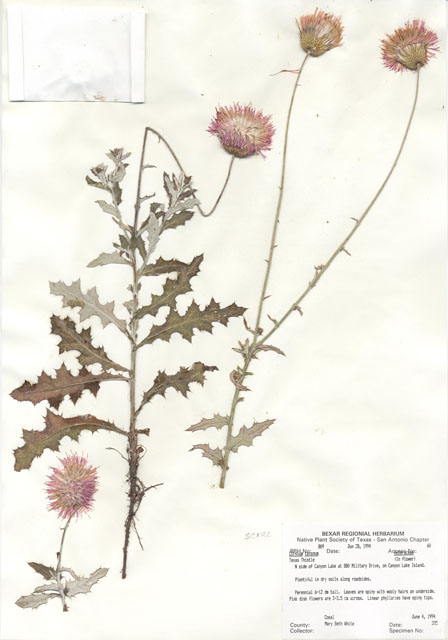
There are many reasons why they are essential to the study of native plants, including being a critical tool for scientists, a great asset for educators, and of increasing interest from the public. Below are the top eight reasons why the herbarium is important to native plants:
- Scientists have always taken advantage of herbaria for a variety of purposes, including as a repository for new collections, confirming the identification of plants, and offering data for floristic studies. Their digital growth has made them more accessible and valuable.
- Botanists utilize them as an indispensable reference in determining native plant locations, ranges, abundance, habitat, and flowering and fruiting periods.
- Scientists can effectively use the plant material for DNA analysis and gather critical information on rare, extirpated, or extinct native plant species.
- Educators have a physical or digital destination to offer students a visually appealing opportunity to learn more about native plants.
- Students can easily take a firsthand approach in learning about native plants by creating their own specimens.
- Artists, makers, and crafters have a unique and informative outlet to utilize native plants in their creations. An interesting metric regarding the growth in awareness and curiosity by the public is Pinterest’s 3X increase in searches for “herbarium”.
- An engaging and accessible tool to inform the public about native plants and to artistically display educational exhibits.
- Promoting the significance of botanical diversity through easy access to specimens for students, researchers, and the public.
Herbaria in North Texas
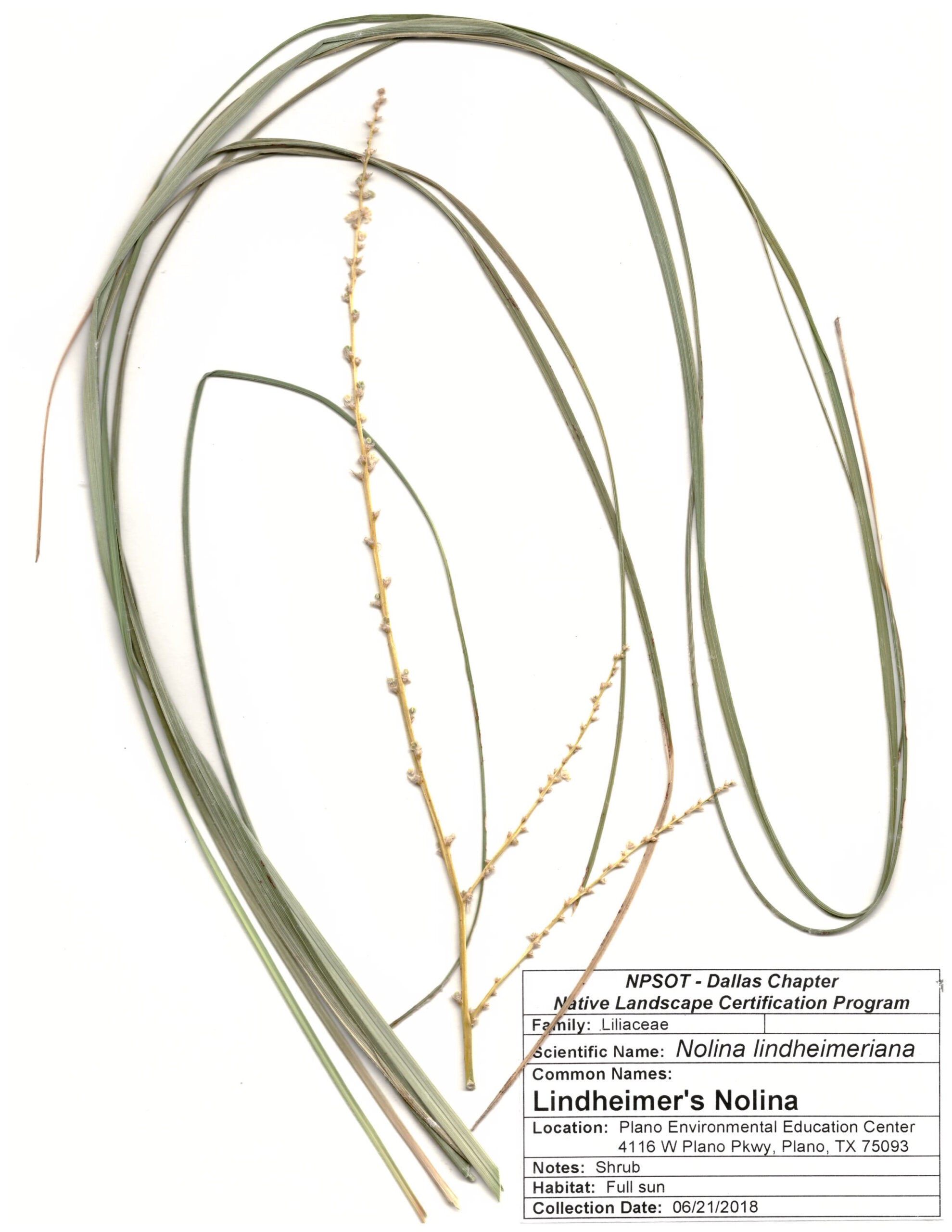
In Texas, and specifically here in North Texas, we are fortunate to have a number of great herbaria to enjoy in person and digitally. We have historically important collections at the Fort Worth Botanic Gardens / Botanical Research Institute of Texas (BRIT) and Texas Woman’s University. Below is information on some of our herbaria of note, both locally and beyond.
- BRIT – With nearly 1.5 million specimens in their herbarium, it ranks among the largest in the United States. In addition to native plants of Texas, the collection covers the southeastern United States, Mexico, and other parts of the world. The BRIT herbarium has grown in the last 30 years with the addition of specimens from former herbaria at SMU, Vanderbilt, and other universities and museums.
- Texas Woman’s University (TWU) – In existence for 120 years, their herbarium was a pioneer in the state. The TWU collection began at the same time as the university’s formation, and many well-known Texas botanists have overseen the herbarium.
- North Texas Master Naturalist – Dallas County Herbarium – On a much smaller scale and working in conjunction with BRIT, is the North Texas Master Naturalist’s Dallas County Herbarium. An important contributor to the herbarium was Marie-Theres Herz. She was a member of the Dallas Chapter of NPSOT and an affiliate member of the Collin County Chapter. One of her beautiful works, Marshallia caespitosa, is shown to the right.
- University of Texas – Billie L. Turner Plant Resources Center – Located on the Austin campus as part of the Billie L. Turner Plant Resource Center, it consists of the UT and Lundell herbaria. Combined, the collection has over 1 million specimens, with a focus on plants of Texas and Latin America.
For 500 years, the herbarium has been a fascinating medium for the study and enjoyment of native plants. We have just scratched the epidermis cells regarding the benefits of the herbarium. There are many other reasons why they are important to native plants, and continue to serve science and education, and invoke curiosity by the public. In North Texas, we are very fortunate to have such a wide variety of herbaria available, whether your interest is for research, education, or purely visual enjoyment.
