

In North Texas, Western Ironweed (Vernonia baldwinii) is an often-underappreciated native pollinator.This view is likely traced back to ranchers’ hostility to the plant due to the plant’s bitter taste to livestock, therefore the term “weed” in the common name. But for native plant enthusiasts, the combination of hardiness, a striking appearance, and low maintenance should make it a strong contender for your plant shopping list.
Western Ironweed History
Vernonia baldwinii, which also goes by Baldwin’s Ironweed, name is derived from William Baldwin, an early 19th American botanist. Despite a short life, Baldwin made numerous important contributions to the field, including documenting various plant species in North America. Vernonia is a genus of about 350 species worldwide, including about 30 different species of Ironweeds in North America.
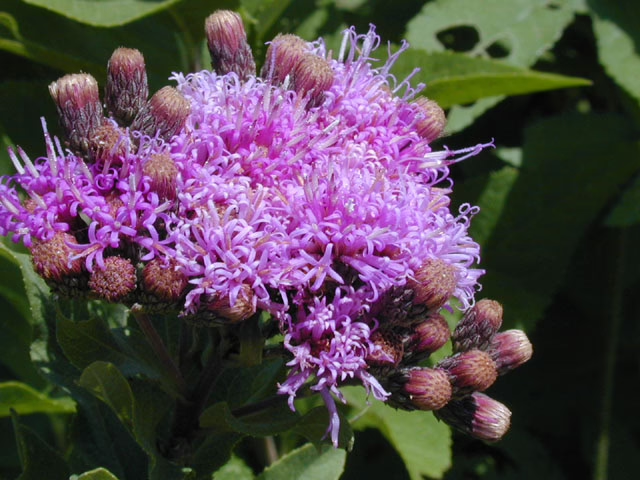
The origin of the common name is likely related to the “iron-like” characteristics of the perennial:
- General hardiness of the plant and especially tough stems
- Rusty-tinge of fading flowers
- Rusty colored seeds
Western Ironweed’s pre-European settlers’ range encompassed an area roughly covering southern Illinois to Nebraska and south to Louisiana and Texas. Ironweeds were used by Native Americans for a variety of medicinal needs, mostly as pain relievers.
Standing Tall
The Western Ironweed is definitely not vertically challenged; it typically reaches heights of 3 to 6 feet. You can help control the size, in part, by pruning in early summer. This will reduce the height of the plant but will not impact its blooms.
Part of its attractiveness is its sturdy stems with lance-shaped leaves featuring serrated edges. Western Ironweed will thrive in full sun and well-drained soils. It is a very hardy and adaptable native plant and is remarkably resilient to droughts, making it ideal for the North Texas heat.
Prolific Purple Pollinators
The plant’s blooms are a broad cluster of striking purple flowers at the top of the plant. The flowers attract a variety of pollinators, including butterflies and bees, making them a vital contributor to our local ecosystem. In North Texas, flowering typically begins in July and lasts until the first frost.
Because the flowers are all of the disc variety, the 6” wide flower cluster takes on a fuzzy appearance. Western Ironweed shines best in natural areas and meadows where large colonies can be appreciated. Roots travel in all directions from the plant about one foot deep. Accordingly, in the right conditions, it can grow aggressively.
Growing Western Ironweed in North Texas
Growing Vernonia baldwinii in your North Texas landscape is relatively simple. Below are some steps to help get you started:
- Site: Choose a location that receives full sun for at least 6 to 8 hours a day. Ensure the area has well-drained soil to prevent the plant from getting waterlogged and give it plenty of room to grow. It is best suited as part of native plant wildscaping or as a background plant for borders.
- Planting: Plant in the early spring when the soil is starting to warm up. Space the plants at least 2 feet apart to allow for adequate air circulation.
- Soil Preparation: While Western Ironweed is tolerant of various soil conditions, it thrives in slightly acidic to neutral soils. Though not necessary, blending some organic matter into the ground before planting can enhance its fertility.
- Watering: Initially, water the plants regularly to help them establish their root systems. Once established, they can withstand periods of drought without supplemental watering.
- Maintenance: Prune after the flowering season to maintain its shape and encourage healthy growth. Also, regular deadheading of spent flowers will prolong the blooming period.
4 Reasons to Consider Western Ironweed for Your Landscape
Vernonia baldwinii offers a host of benefits to both the environment and native gardeners:
- Pollinator Magnet: The vibrant purple flowers are a magnet for pollinators such as bees, butterflies, skippers, and even hummingbirds.
- Erosion Control: With a robust root system, Western Ironweed can help stabilize soils and prevent erosion. Roots may grow to several feet long.
- Low Maintenance: Once established, it requires minimal care, making it an excellent addition to native gardens.
- Aesthetics: With its striking appearance and long-lasting purple blooms, Western Ironweed adds a unique natural beauty to North Texas landscapes.
Western Ironweed is a hardy, attractive, and pollinator-friendly North Texas native. Its resilience and popularity with pollinators make it a valuable addition to the landscapes of beginner or experienced native gardeners.
