Fredericksburg Chapter

Fredericksburg

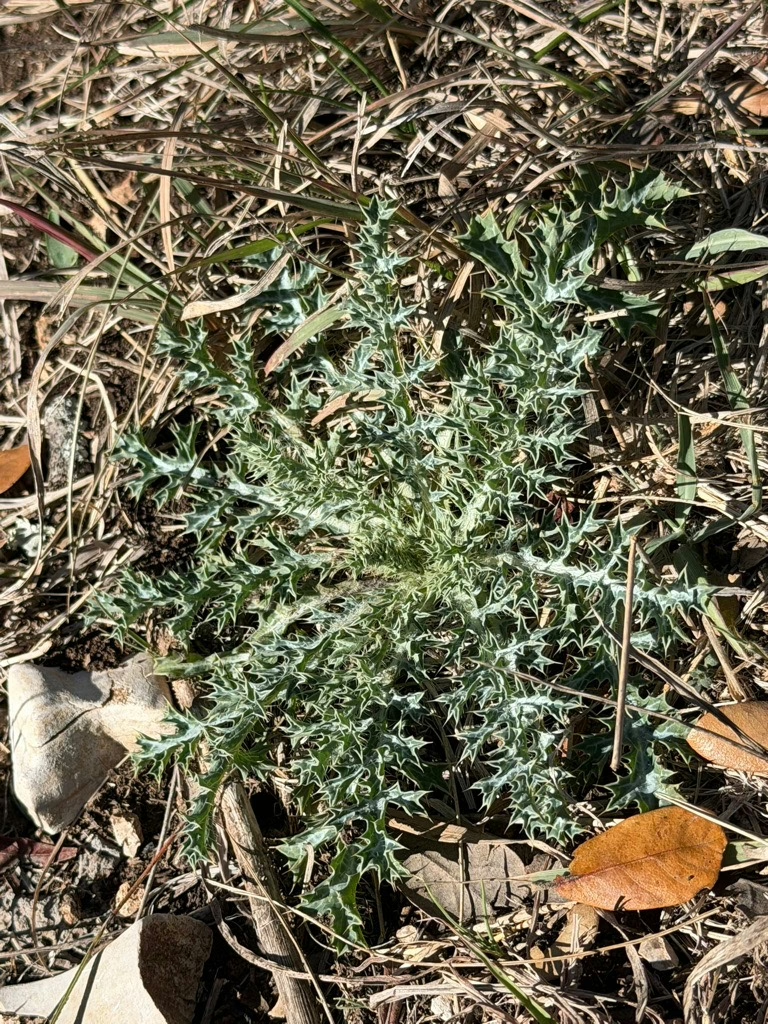
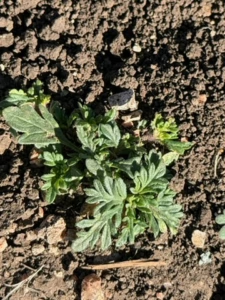
Prickly White Poppy rosette
 
The Native Plant Society of Texas (NPSOT) Fredericksburg chapter opens its new season Tuesday, January 27. That was our plan. But winter hit with a vengeance this weekend and left ice covered streets and sidewalks that we feel will not be sufficiently resolved by tomorrow.
Our Tuesday evening meeting is cancelled.
 
We have rescheduled the live YouTube presentation! Join us Friday, January 30 @ 3:00 on Fredericksburg Texas Native Gardening
 
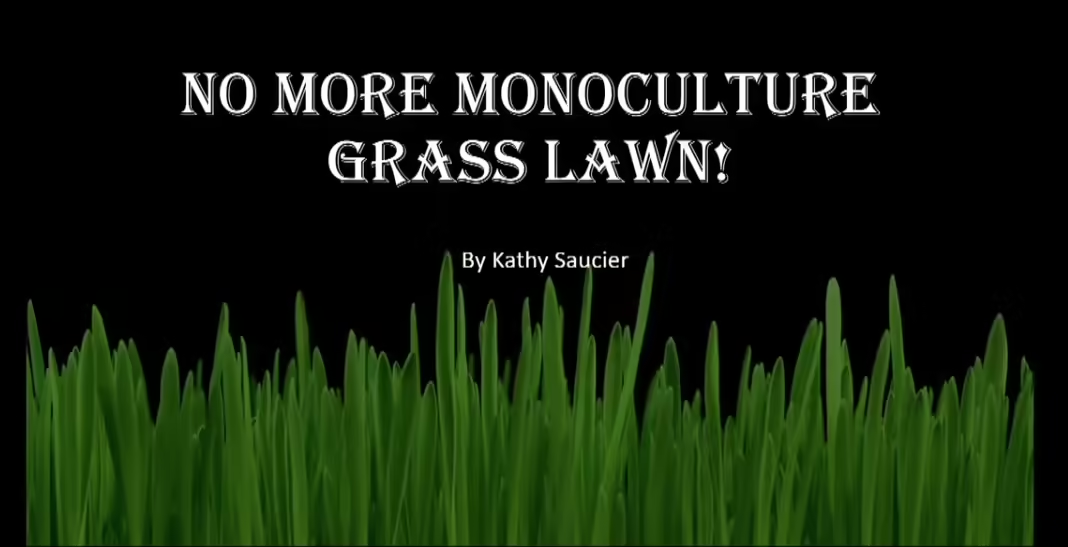
Kathy Saucier, our resident Certified Wildscape instructor, opens the season with a challenge: Find the harbingers of spring. Look closely!
Not for migrating birds, but on the ground, past the grasses, past the leaf litter.
 
“Each tiny rosette hidden there is converting winter moisture into the wondrous explosion of color that makes the Hill Country famous for its wildflower display” Saucier said. Or, potentially, it is a weed in disguise. We’ll find out.
 

The Fredericksburg chapter of the Native Plant Society of Texas meets the 4th Tuesday of each month.

Next meeting: January 27,  Cancelled
   St. Joseph’s Halle   (click link for a map)
(212 W. San Antonio St., Fredericksburg).

6:30 greeting friends new and old

7:00 ~ This month ‘s business meeting & presentation:

If your day doesn’t quite manage in-person attendance,

Join us @ 7:00 p.m. on our YouTube channel: Fredericksburg Texas Native Gardening.  Click “live” to see the scheduled meeting. Click on that meeting to join. The chat window will be open for questions during the presentation for those who have subscribed to the channel.

If you draw an equilateral triangle with Austin and San Antonio anchoring the easternmost points.

The triangle climbs onto the Edwards Plateau, its tip touching Fredericksburg and Gillespie County. This is Hill Country!

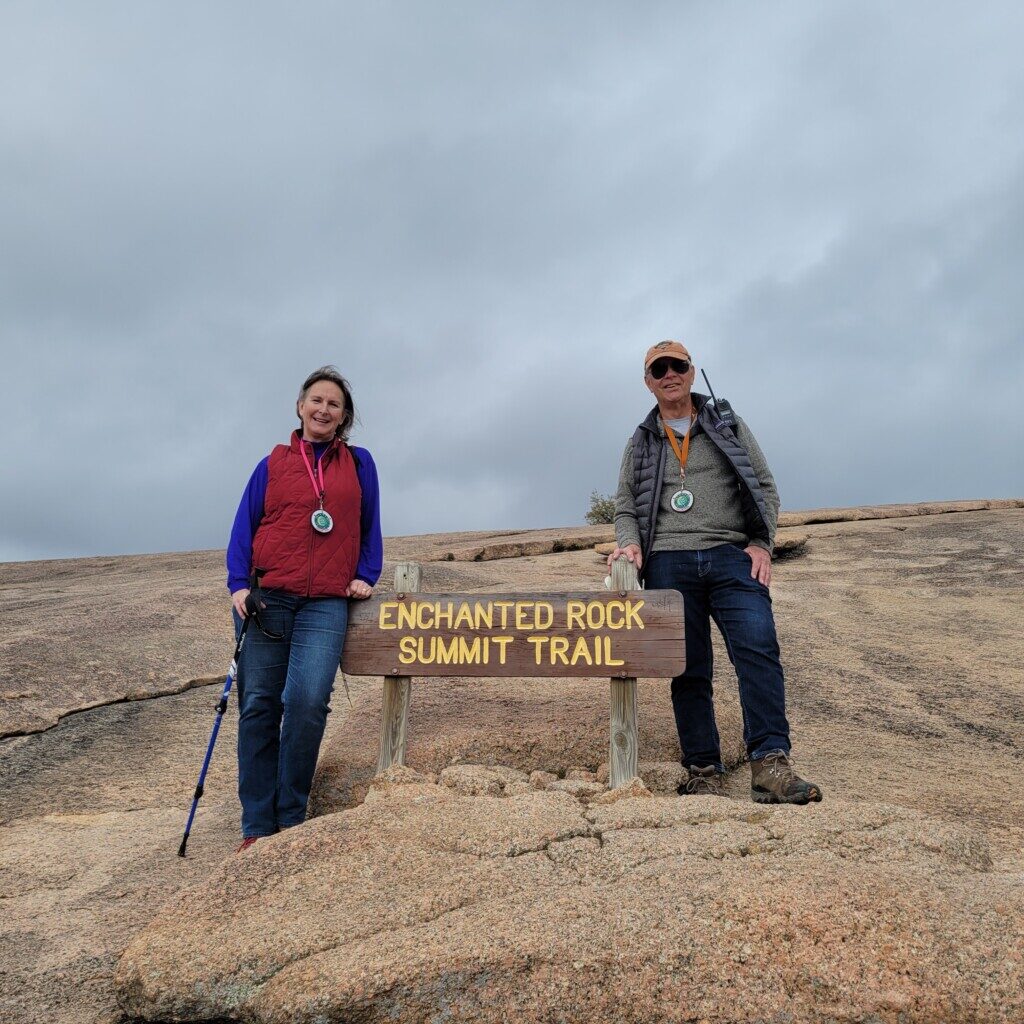
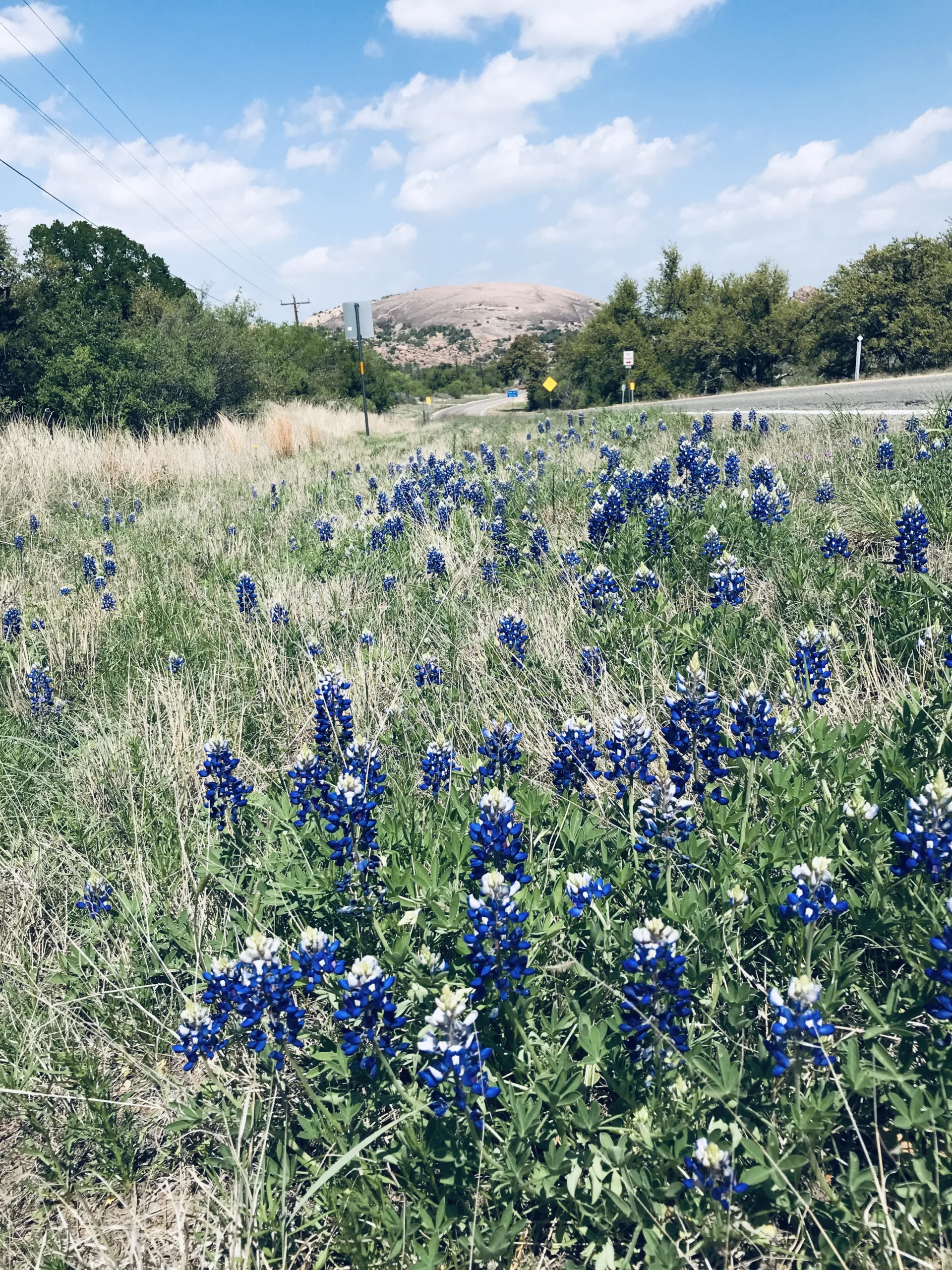
The pink dome of Enchanted Rock rises to the north of us.

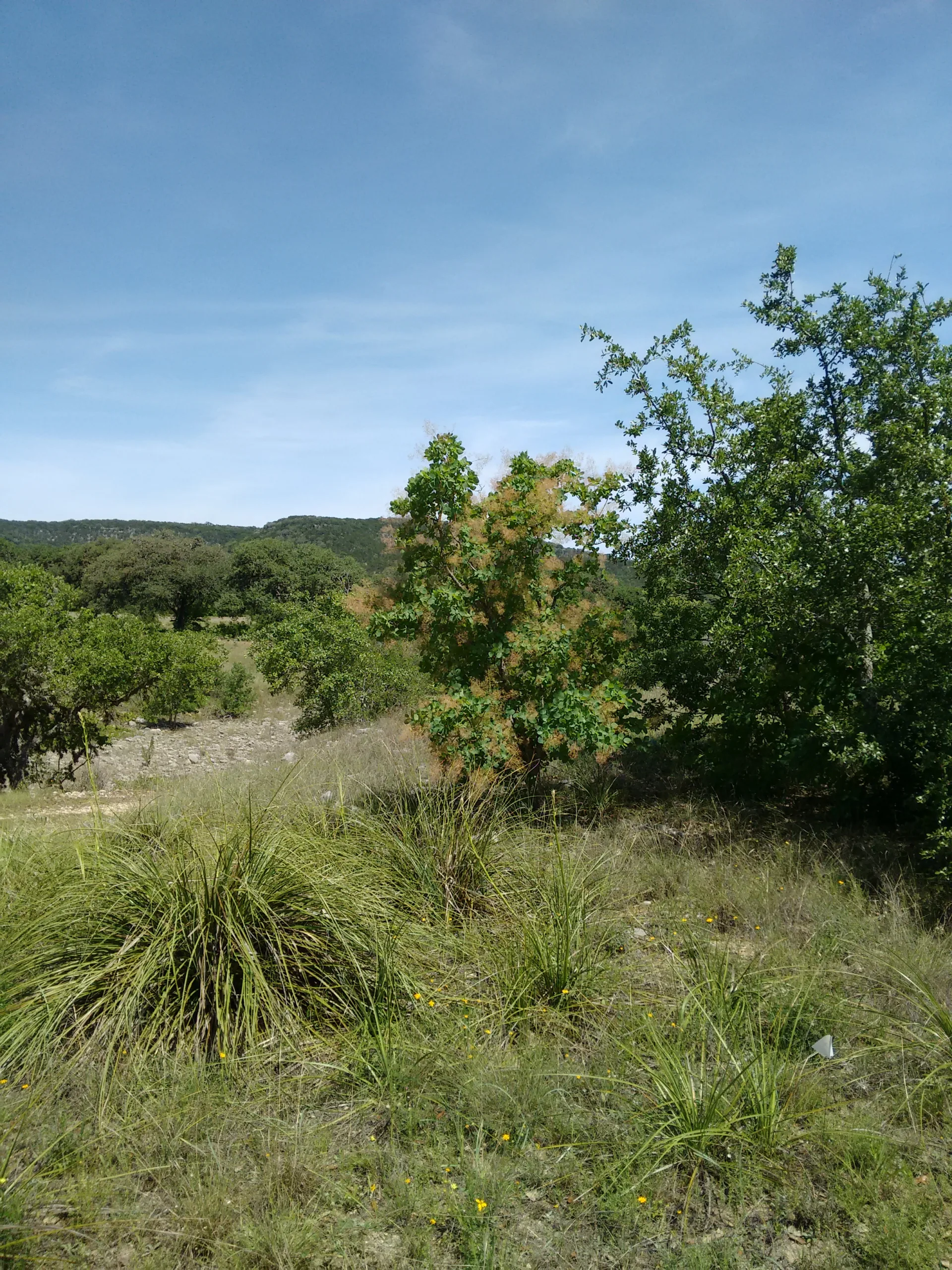
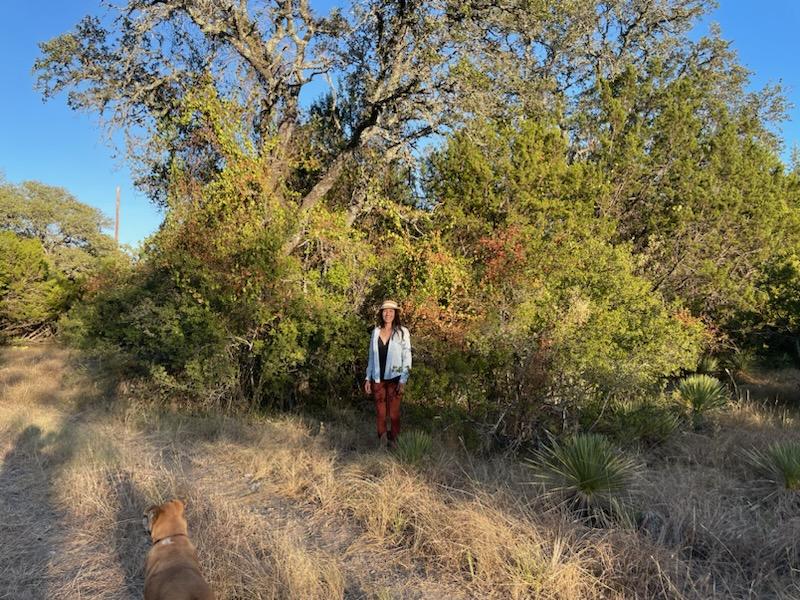
This entire area is an intricate patchwork of oak and juniper woodlands, savannas interwoven with grasslands, tree mottes and shrubs. You have reached the homeland of the Fredericksburg chapter of the Native Plant Society

Ours is truly a rich and diverse natural heritage.

Please join us in exploring the heart of our native Edwards Plateau ecosystem.

Harbingers of Spring

Kathy Saucier, our resident Certified Wildscape instructor, opens January with a challenge: find the harbingers of spring. Look closely! Not for migrating birds, but on the ground, past the grasses, past the leaf litter.

“Do you see those tiny rosettes that are nestled against the earth?”
Read More »
What Happened to that Plant?

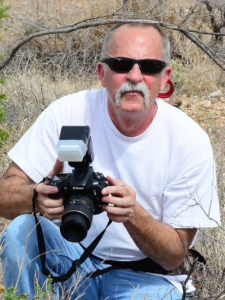
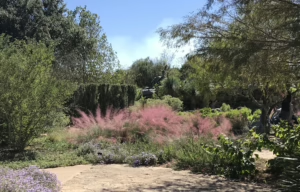
It’s time to reflect on what happened in your landscape this year as you head into prime native planting season. Arlon Motsch, an avid native plant gardener, photographer, and water conservationist will share his insights about what worked, what didn’t, and look at a few plants that need more time to tell. “Learning,” he said, “has come from many local sources like NPSOT, friends, friendly neighbors, nature centers, gardening programs, and just hands-on getting it done.”
Read More »

Playlist

14 Videos

About the Region

Fall Symposium 2025 Logo - Teach for the Future

Salado, the location of our Fall 2025 Symposium, lies at the intersection of two ecoregions: the Edwards Plateau (Limestone Cut Plain) and Blackland Prairie (Northern Blackland Prairie).

The Edwards Plateau area is also called the Hill Country; however, this general term covers a much larger area extending farther north. Spring-fed creeks are found throughout the region; deep limestone canyons, rivers, and lakes (reservoirs) are common. Ashe juniper is perhaps the most common woody species found throughout the region. Additional woody species include various species of oak, with live oak (Quercus fusiformis) being the most common. Sycamores (Platanus occidentalis) and bald cypress (Taxodium distichum) border waterways. This area is well known for its spring wildflower displays, though they may be viewed in spring, late summer, and fall, as well. According to Texas Parks and Wildlife, average annual rainfall in the Edwards Plateau ranges from 15 to 34 inches.

The Blackland Prairie extends from the Red River south to San Antonio, bordered on the west by the Edwards Plateau and the Cross Timbers, and on the east by the Post Oak Savannah. Annual rainfall averages 30 to 40 inches, with higher averages to the east. This region is dominated by prairie species. The most common grass species include little bluestem (Schizachyrium scoparium) and Indian grass (Sorghastrum nutans) in the uplands and switchgrass (Panicum virgatum) in the riparian areas and drainages. Common herbaceous flowering plants include salvias, penstemons, and silphiums. This area has suffered greatly from overgrazing and agricultural use. Few intact areas remain, though many of the plants can be found along county roadsides throughout the region.

Our fall Symposium host chapter, the Tonkawa Chapter, includes both of these ecoregions.

Source: Wildflowers of Texas by Michael Eason