Clear Lake Chapter

Chapter Meeting: From Egg to Adult: How Milkweeds and Native Plants Help Monarchs

October 10, 2022

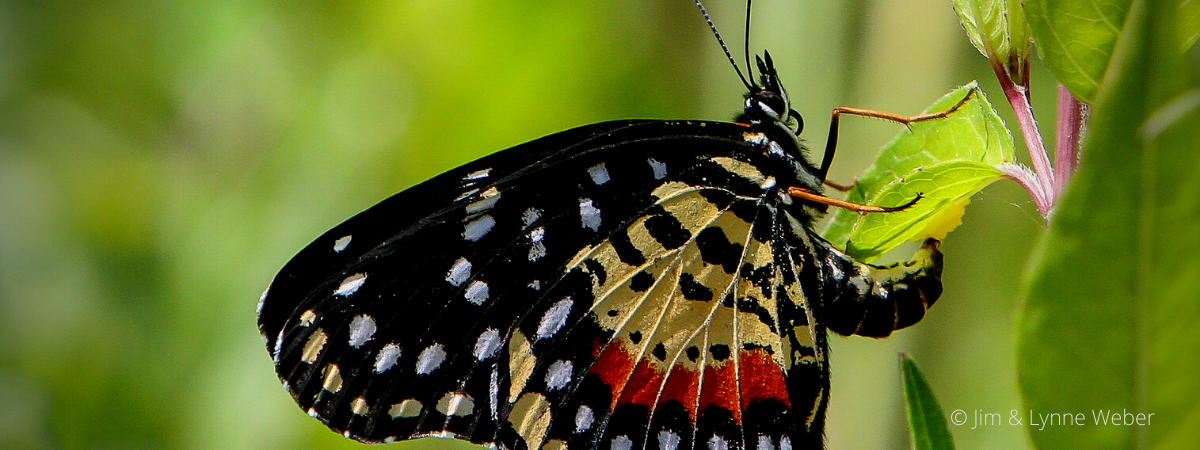
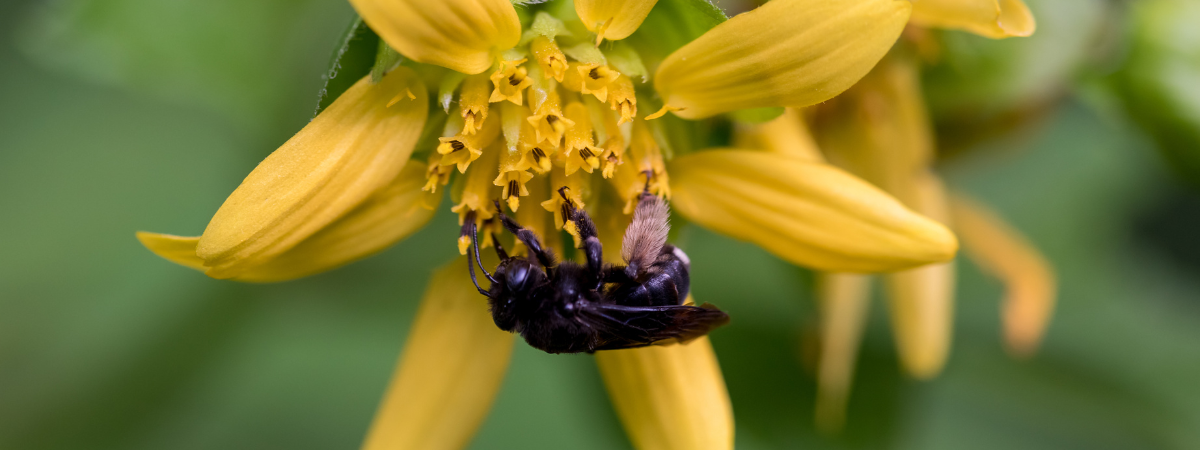
Just as milkweeds are the only plants Monarch butterflies use to raise their young, our native plants are also critically important to the adult Monarchs as they migrate through Texas. TPWD Texas Nature Trackers Biologist Craig Hensley shares the natural history of milkweeds and introduces you to native plants that provide important nectaring sources for Monarchs as they migrate through Texas each fall.

About the Speaker

Craig Hensley is a Texas Nature Trackers Biologist with Texas Parks and Wildlife Department. He has also served as a district Wildlife Biologist and for eight years was the Park Interpreter for Guadalupe River State Park. A native of Iowa, Craig has worked in the field of interpretation/nature education for 30+ years, from Minnesota and Iowa to Nebraska, Kansas and Missouri. He is an avid naturalist, photographing and studying everything from wildflowers and butterflies to birds, dragonflies, and all else in-between. He is father to two grown children and grandfather to five.

Resources

Books on Monarchs

The Monarch Butterfly: Biology and Conservation, 2004, by Michelle J. Solensky and Karen S. Oberhauser.
Monarchs in a Changing World: Biology and Conservation of an Iconic Butterfly, 2015, by Karen Oberhauser, Kelly R. Nail, Sonia Altizer (editors).
Monarchs and Milkweed: A Migrating Butterfly, A Poisonous Plant, and Their Remarkable Story of Coevolution, 2017, by Anurag Agrawal.
Chasing Monarchs: Migrating with the Butterflies of Passage, 2001, by Robert Pyle.
Four Wings and a Prayer: Caught in the Mystery of the Monarch Butterfly, 2001, by Sue Halpern.
Bicycling with Butterflies: My 10,201-Mile Journey Following the Monarch Migration, 2021, by Sara Dykman.

Hosted by Environmental Institute of Houston, University of Houston-Clear Lake.

Related Posts

About the Region

2026 Fall Symposium Logo

This low-elevations region of Texas extends inland from the barrier islands, about 60 or so miles, and stretches from Brownsville to Louisiana. In total, it covers about 9.5 million acres, with a high point of 150 feet in elevation. More than 1000 species of plants can be found in this region. On the southern end, species more common in Mexico (such as Sabal mexicana) and Central America occur.

The barrier islands provide us with dune systems, and clay flats to the inland side, which have species found in these areas alone. Many plants here, such as Ipomoea pes-caprae (beach morning glory), can be found throughout tropical regions of the globe. I’ve encountered the same species on the beaches of Guam.

Once inland, vast marshes and wet prairies occur. Occasionally, oak (Quercus fusiformis) groves can be found. Common grasses include species of Bothriochloa, Paspalum, and Sporobolus; eastern gamagrass (Tripsacum dactyloides); and switchgrass (Panicum species). Many rivers and creeks cut through the Gulf Prairies, and along these riparian areas various species of trees, Sabal minor, and other plants adapted to clay soils can be found. Due to overgrazing, farming, and fire suppression, woody species such as mesquite (Prosopis glandulosa) and huisache (Acacia farnesiana), and invasive species such as chinaberry (Melia azedarach), Brazilian pepper (Schinus terebinthifolius), and Chinese tallow (Sapium sebiferum) have increased and displaced our native flora.

Source: Wildflowers of Texas by Michael Eason