Clear Lake Chapter

Chapter Meeting: How Can I Tame a Water-thirsty Yard? Getting Started on Xeriscape

January 8, 2024

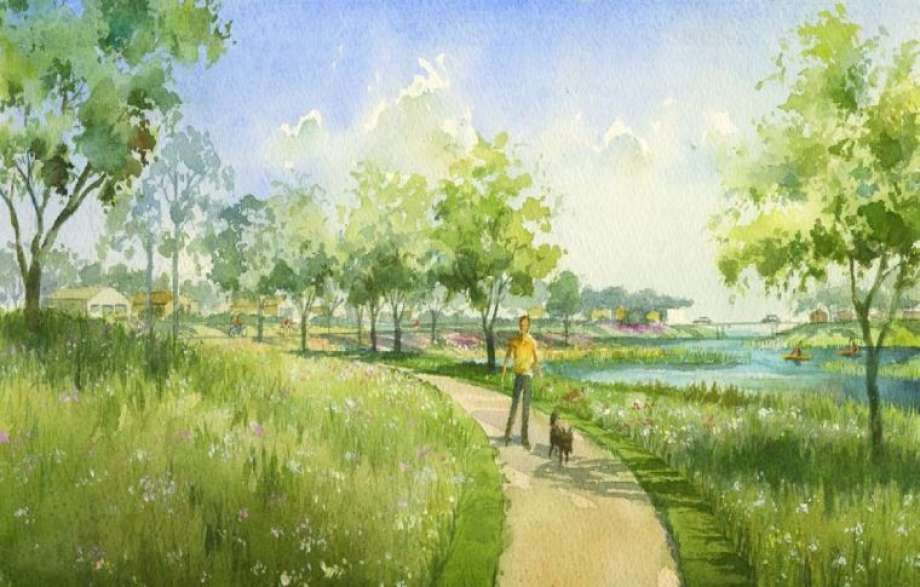
Deedy Wright discusses what “xeriscape” means and its seven basic principles. In this presentation, she shows an actual transition from a “contractor” landscape to a xeriscape and gives landscape examples of what ideas such as a “No Grass Front Yard,” a “Repurposed Fountain” or a “Mixed Hedge” can look like. In last section of her talk, Deedy suggests some ecoregion-appropriate plants that can be used to create a xeriscape.

Note: Go to bit.ly/41GSE9d to download the handouts that accompany this presentation. (You do not need to log in to view and download the files.)

About the Speaker

Deedy Wright is a life-long Texas gardener. Her particular interests are native plants, xeriscape, and invasive plants. She has been an active member of the Native Plant Society since 1996 when she joined the San Antonio chapter. In 2007, she organized the Guadalupe chapter, and in 2019, the New Braunfels chapter; subsequently, Deedy served as president of both the Guadalupe and New Braunfels chapters. She has also served for four years as the Vice-President of Education on the state NPSOT board. Until recently she chaired the state committee on invasive plants.

Deedy has completed the Texas Invaders training on invasive plants and multiple native plant courses at the Lady Bird Johnson Wildflower Center. She served on the Native Landscape Certification Program (NLCP) Steering Committee for six years, and is also an NLCP instructor, completing Levels 1-3 and serving on the sub-committee to write Level 4. In addition, she was a certified Master Gardener for 15 years in Bexar and Guadalupe counties, with specialist training in propagation and vegetable gardening.

A retired secondary language arts and social studies teacher, Deedy has taught and continues to teach adult continuing education classes on various native plant topics in the San Antonio/New Braunfels area. She has converted the typical contractor landscapes to xeriscapes using native plants in the last three homes where she’s lived. She has dirt under her fingernails!

Hosted by the Environmental Institute of Houston, University of Houston-Clear Lake.

Related Posts

About the Region

Fall Symposium 2025 Logo - Teach for the Future

Salado, the location of our Fall 2025 Symposium, lies at the intersection of two ecoregions: the Edwards Plateau (Limestone Cut Plain) and Blackland Prairie (Northern Blackland Prairie).

The Edwards Plateau area is also called the Hill Country; however, this general term covers a much larger area extending farther north. Spring-fed creeks are found throughout the region; deep limestone canyons, rivers, and lakes (reservoirs) are common. Ashe juniper is perhaps the most common woody species found throughout the region. Additional woody species include various species of oak, with live oak (Quercus fusiformis) being the most common. Sycamores (Platanus occidentalis) and bald cypress (Taxodium distichum) border waterways. This area is well known for its spring wildflower displays, though they may be viewed in spring, late summer, and fall, as well. According to Texas Parks and Wildlife, average annual rainfall in the Edwards Plateau ranges from 15 to 34 inches.

The Blackland Prairie extends from the Red River south to San Antonio, bordered on the west by the Edwards Plateau and the Cross Timbers, and on the east by the Post Oak Savannah. Annual rainfall averages 30 to 40 inches, with higher averages to the east. This region is dominated by prairie species. The most common grass species include little bluestem (Schizachyrium scoparium) and Indian grass (Sorghastrum nutans) in the uplands and switchgrass (Panicum virgatum) in the riparian areas and drainages. Common herbaceous flowering plants include salvias, penstemons, and silphiums. This area has suffered greatly from overgrazing and agricultural use. Few intact areas remain, though many of the plants can be found along county roadsides throughout the region.

Our fall Symposium host chapter, the Tonkawa Chapter, includes both of these ecoregions.

Source: Wildflowers of Texas by Michael Eason