A Renewed Commitment to Monarchs and to the Future
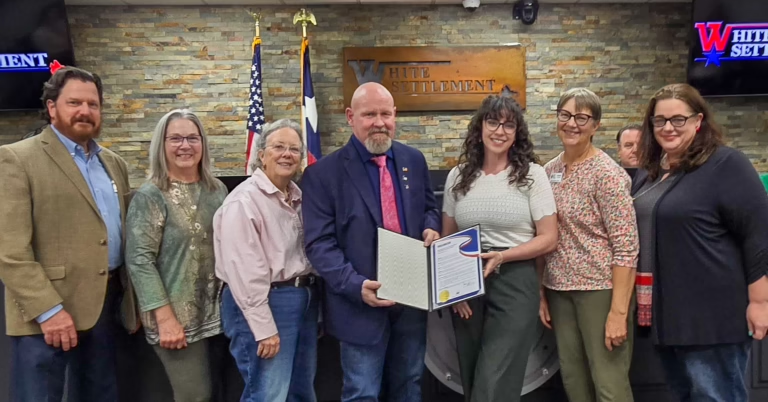
The volunteers of the White Settlement Monarch Waystation were recently honored with a formal proclamation from Mayor Faron Young, reaffirming the City of White Settlement’s participation in the Mayor’s Monarch Pledge and its continued commitment to monarch and pollinator conservation. The proclamation recognizes the monarch butterfly as an iconic migratory
Chapter Meeting March 21 – Mena’s Demonstration of Tips and Techniques for the Propagation of Native Plants
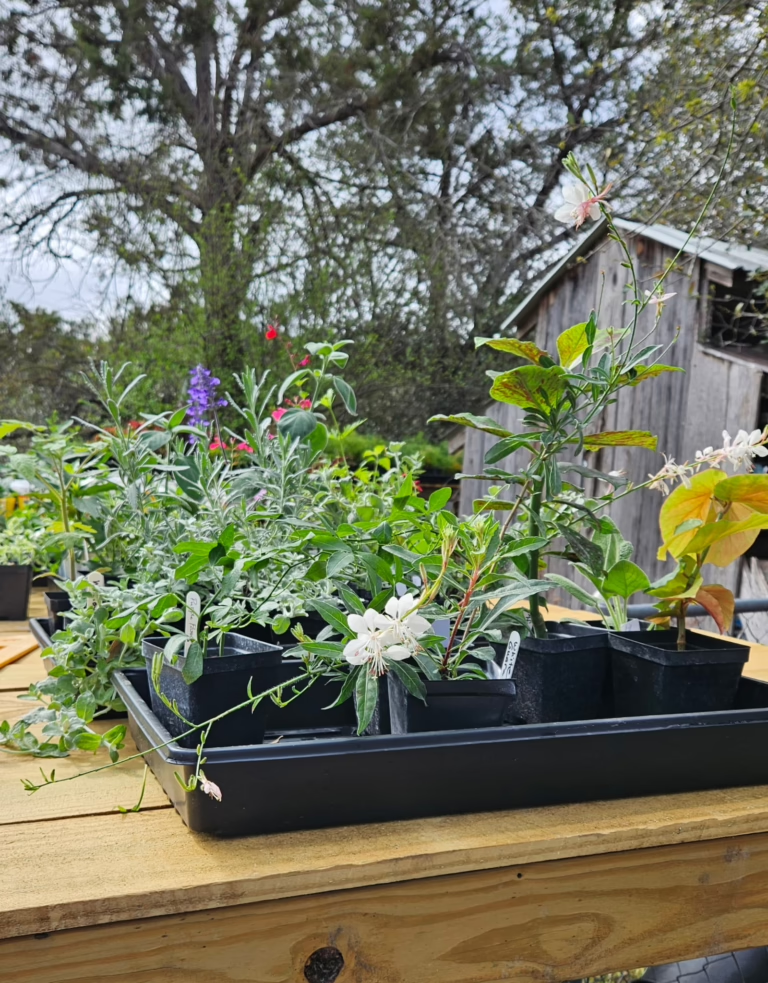
Mena Rueffer, Master Gardener, is the speaker for the Highland Lakes Native PlantSociety of Texas’ Chapter Meeting on Saturday, 21 March from 1:00-3:00 pm at theMarble Falls Library, 101 Main Street.Mena started gardening when she was two years old, when gardening was a necessity forher family. She became a Master
Announcing the New Seedlings Group
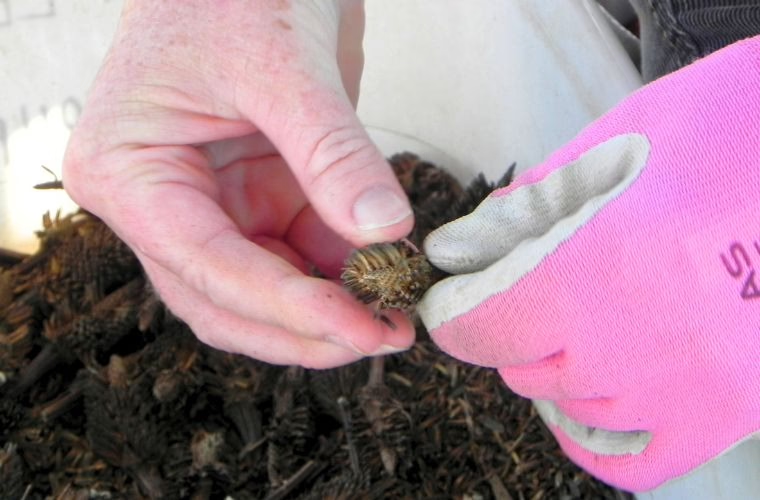
We’re gearing up for the fall plant sale—keep those donations coming and join us on Tuesday mornings to volunteer!
Boerne Chapter Named Chapter of the Year!
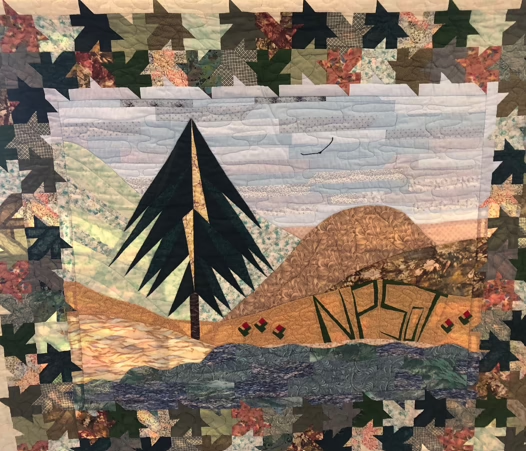
We’re excited to share some wonderful news — the Boerne chapter has been named Chapter of the Year by the Native Plant Society of Texas! This recognition celebrates our chapter’s ongoing commitment to promoting the conservation, research, and use of native plants and plant habitats across Texas through education, outreach,

Much Anticipated! Our Spring Native Plant Sale is on April 18, 2026!
Visit us at our Spring Native Plant Sale on Saturday, April 18, 2026, from 9:00 a.m. – 1:00 p.m. at the Herff Farm Teaching Barn, at 33 Herff Road in Boerne. Take advantage of this opportunity to easily obtain native plants suited to our eco region, and along with making your
Chapter Meeting: Creating a Native Seed Library
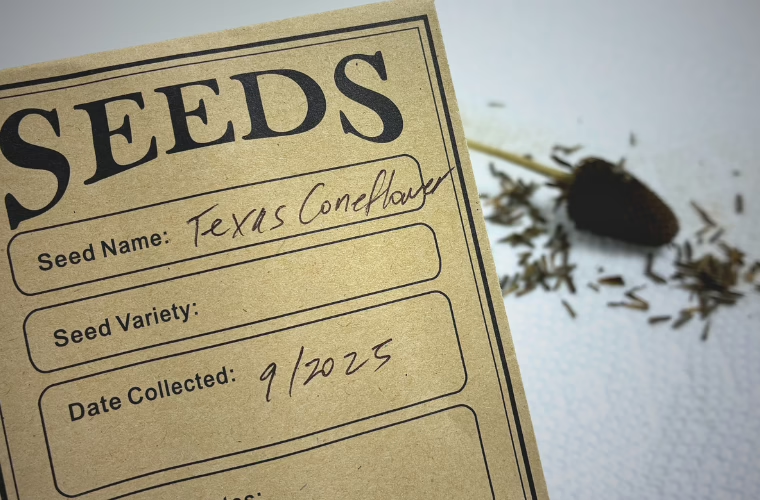
Craig Bruska covers how to launch and sustain a community native seed library, from partnerships and plant indexes to key benefits and challenges.
Winter 2026 Member Magazine
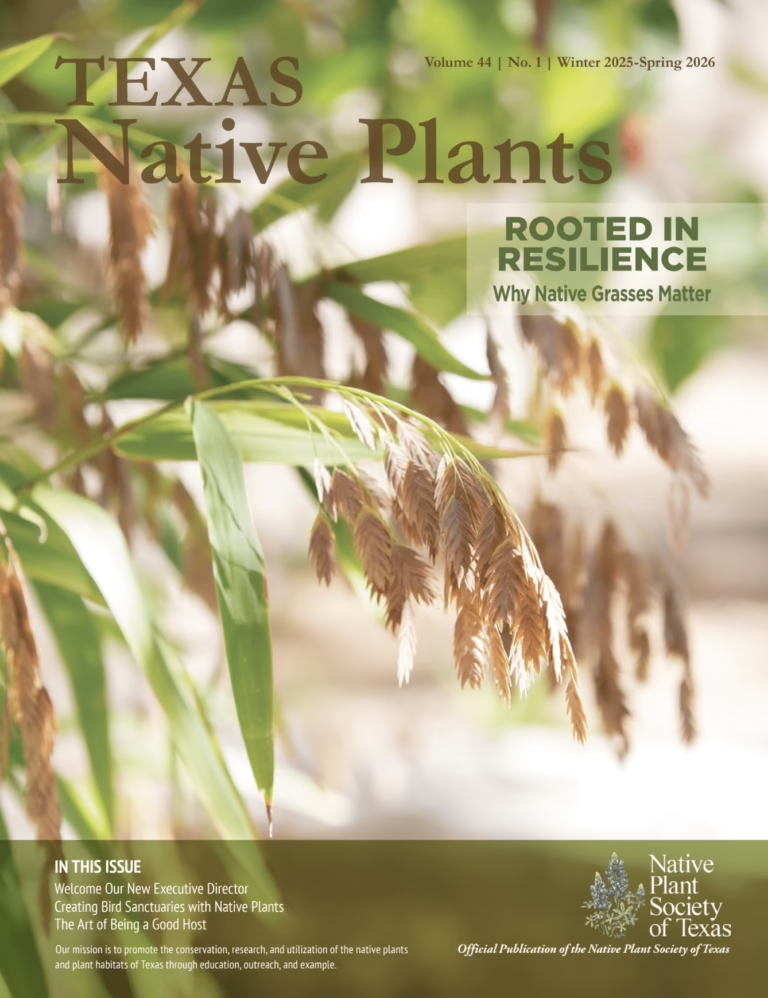
Executive Update | Symposium Recap | Native Plant Database | Good Host | Bird Sanctuaries | Native Grasses | Making Peace with HOA | Member News | Early Spring Care
San Antonio Chapter Meeting March 2026
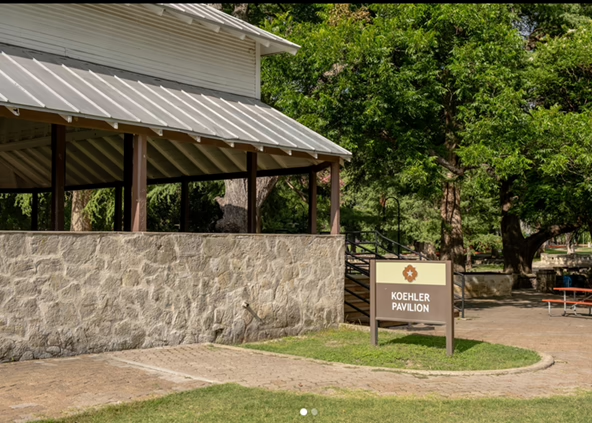
March 24, 2026: Join us for a social gathering and plant exchange at Brackenridge Park.

Spring Plant Sale NPSOT Dallas – May 2, 2026
We will be hosting our Spring Plant Sale on May 2 from 10 AM-3 PM (or until sold out), at the Bath House Cultural Center – 521 E. Lawther Drive Dallas Tx 75218. See our PLANT SALE PAGE for more info and a list of available plants.
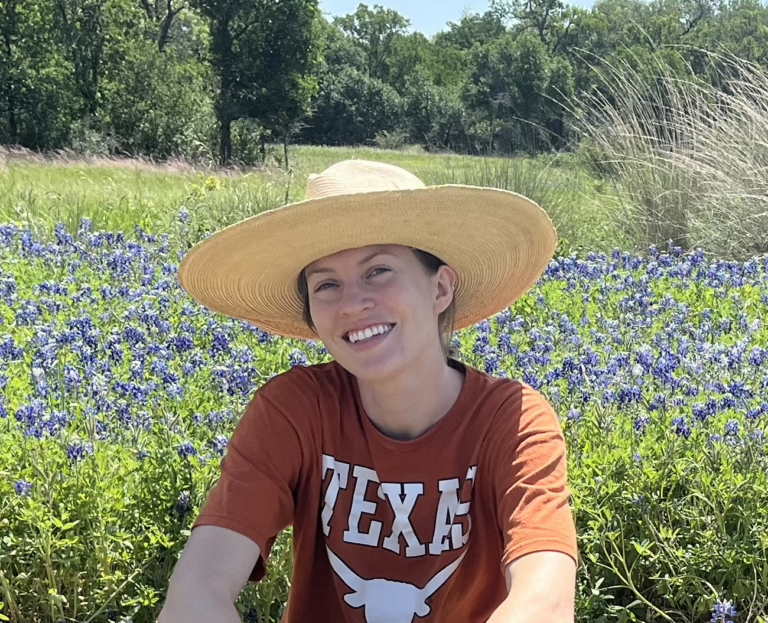
2025 Ann Miller Gonzalez Research Grant Recipients
The Native Plant Society of Texas offers the following research grant to graduate students at Texas universities who are performing academic research related to Texas native plants and/or to the conservation and restoration of native plant habitats of Texas: Ann Miller Gonzalez Graduate Research Grant – This research grant is named
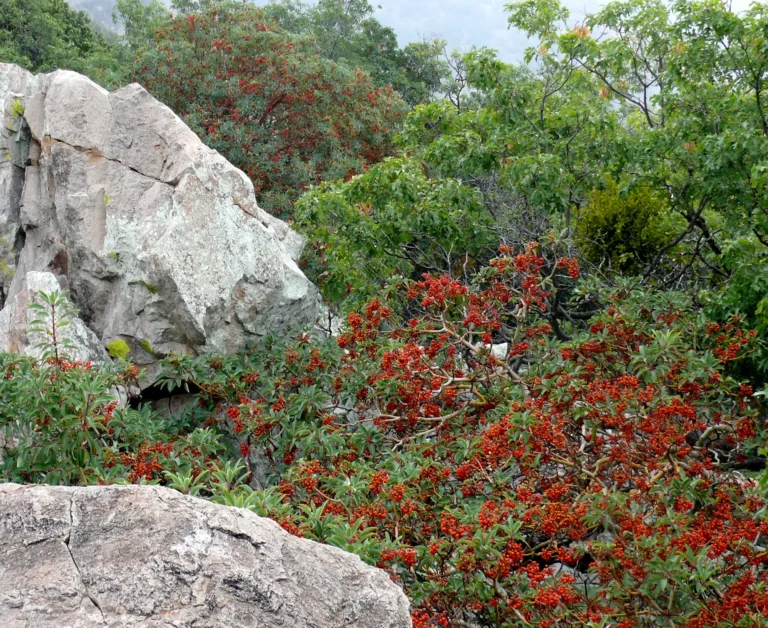
Lessons Learned Running a Native Plant Nursery.
Nurseries didn’t offer native plants in the early 1990s when the Winninghams began searching for those plants that thrive and support the ecology of the Texas Hill Country. As they explored western Texas as far as Big Bend, they began collecting seeds and cuttings, including some for the madrone trees that the nursery has become famous for. “There are a whole host of positive aspects about a native plant business. I want to share the amazing and unexpected things I have leaned.” Dr David Winningham said.