Organization: Fredericksburg

Chapter Meeting

Gardens of Texas: Growing with Resilience

Pam Penick, our March 24 Fredericksburg speaker, is a Texas garden writer, speaker, and advocate for climate-resilient design. This month she shares practical strategies for creating gardens that weather the storms in our changing climate and grow stronger — and see how cultivating resilience in your landscape can also cultivate it in yourself.

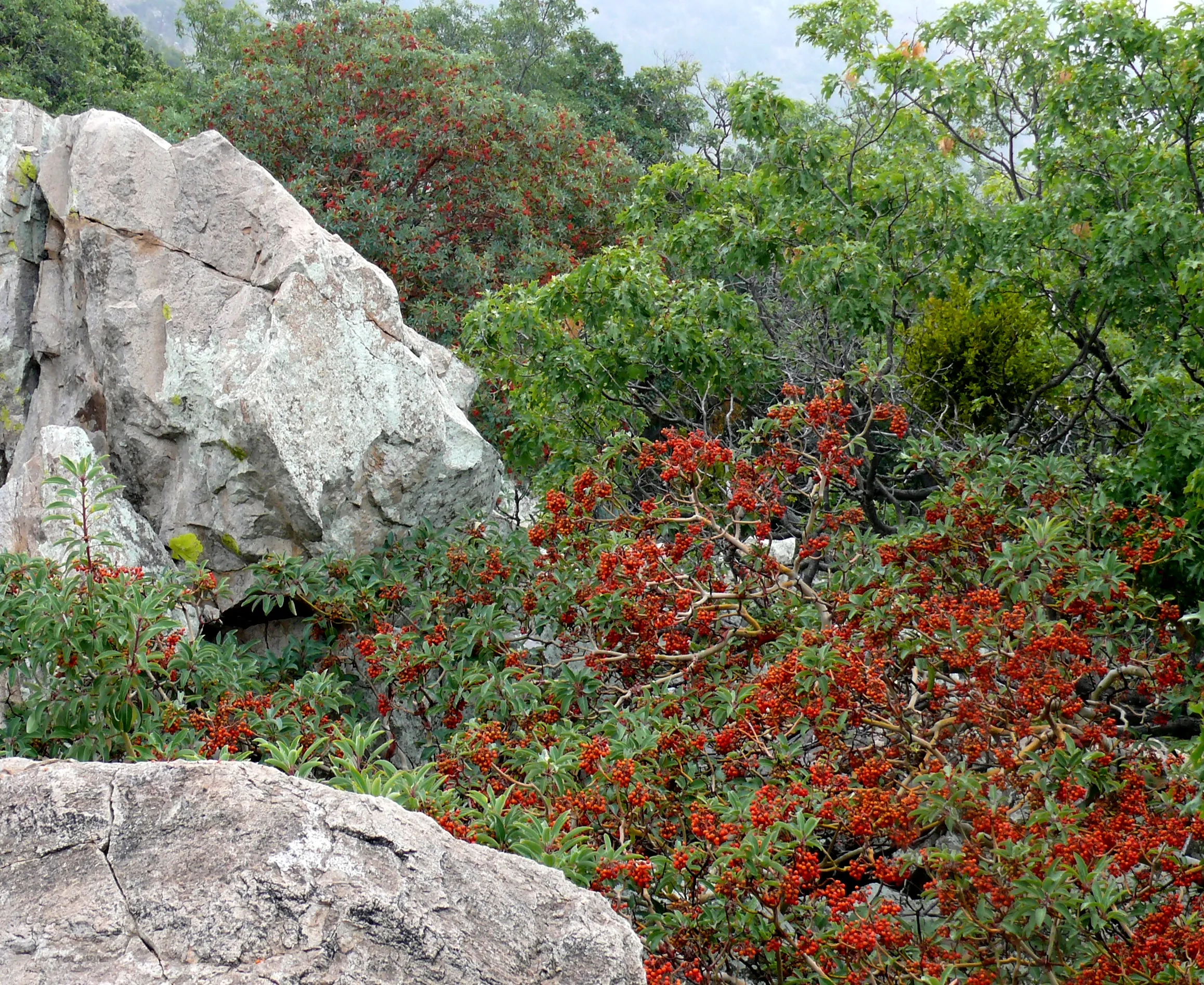
Landscape photo looking up hill at large stone outcrops and trees covered in red blooms
Uncategorized

Lessons Learned Running a Native Plant Nursery.

Nurseries didn’t offer native plants in the early 1990s when the Winninghams began searching for those plants that thrive and support the ecology of the Texas Hill Country. As they explored western Texas as far as Big Bend, they began collecting seeds and cuttings, including some for the madrone trees that the nursery has become famous for. “There are a whole host of positive aspects about a native plant business. I want to share the amazing and unexpected things I have leaned.” Dr David Winningham said.

Biography

Celebrating Ward Miller (1937-2026)

Ward Miller – vice president in 2011, president in 2015, a gardener (but really more a landscaper), a good friend and mentor -always. Ward passed away Monday, February 2, in Austin at Austin Heart. He left his footprints on our lives. His influence continues.

Native Plants

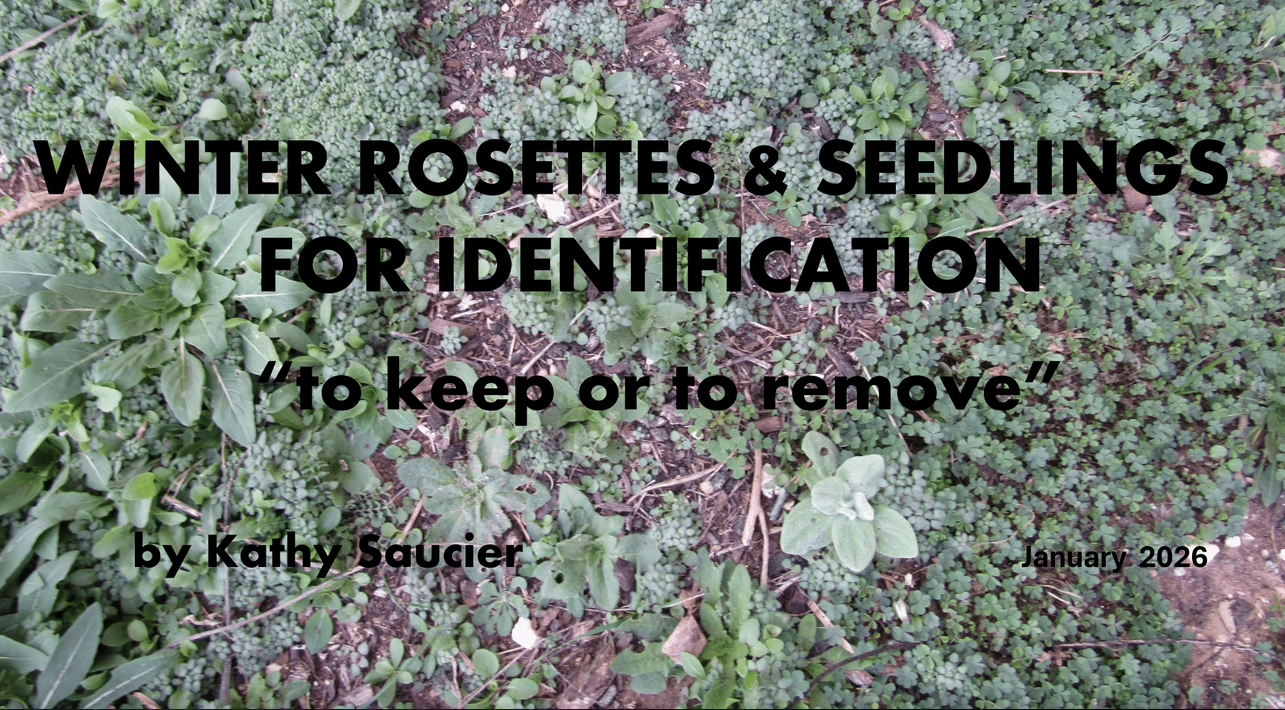
Winter Rosettes and Seedlings for Identification

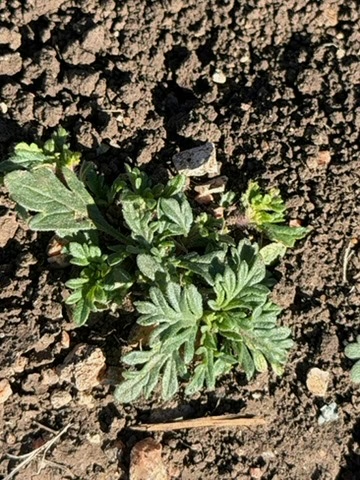
Saucier opens her presentation with rosette photos of native as well as invasive plants as they begin to stretch toward spring. Each is followed with a picture of the the fully developed plant in bloom.

Now for the decision in your garden and field. Which are weeds that are more easily dealt with now. Which are the flowers we enjoy fully that we need to transplant while they are young.

Chapter

Harbingers of Spring

Kathy Saucier, our resident Certified Wildscape instructor, opens January with a challenge: find the harbingers of spring. Look closely! Not for migrating birds, but on the ground, past the grasses, past the leaf litter.

“Do you see those tiny rosettes that are nestled against the earth?”

Chapter

What Happened to that Plant?

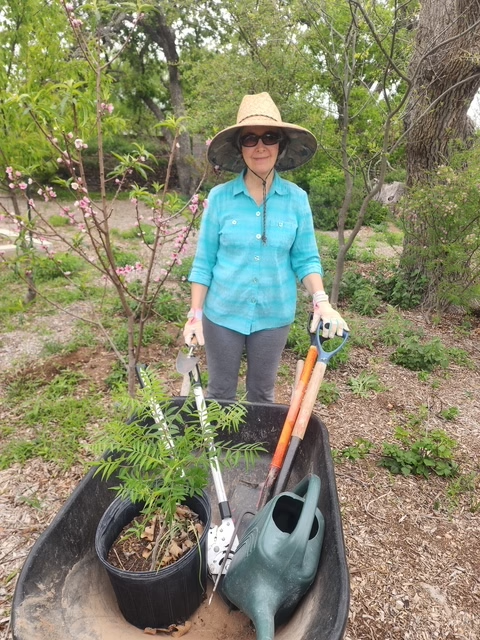
It’s time to reflect on what happened in your landscape this year as you head into prime native planting season. Arlon Motsch, an avid native plant gardener, photographer, and water conservationist will share his insights about what worked, what didn’t, and look at a few plants that need more time to tell. “Learning,” he said, “has come from many local sources like NPSOT, friends, friendly neighbors, nature centers, gardening programs, and just hands-on getting it done.”

Speaker from USDA natural resources conservation services
Chapter Meeting

Conservation Tips: Controlling Invasives, How to Know Your Soil Type

“I’m looking forward to sharing tips on how on how to be part of the conservation solution ,” said Warren Day, USDA District Conservationist in Fredericksburg, “How to use our soil information to keep our water clean and abundant, our soils healthy, and have resilient landscapes.”

About

Native Tree Selection: Recommendations for Various Spaces

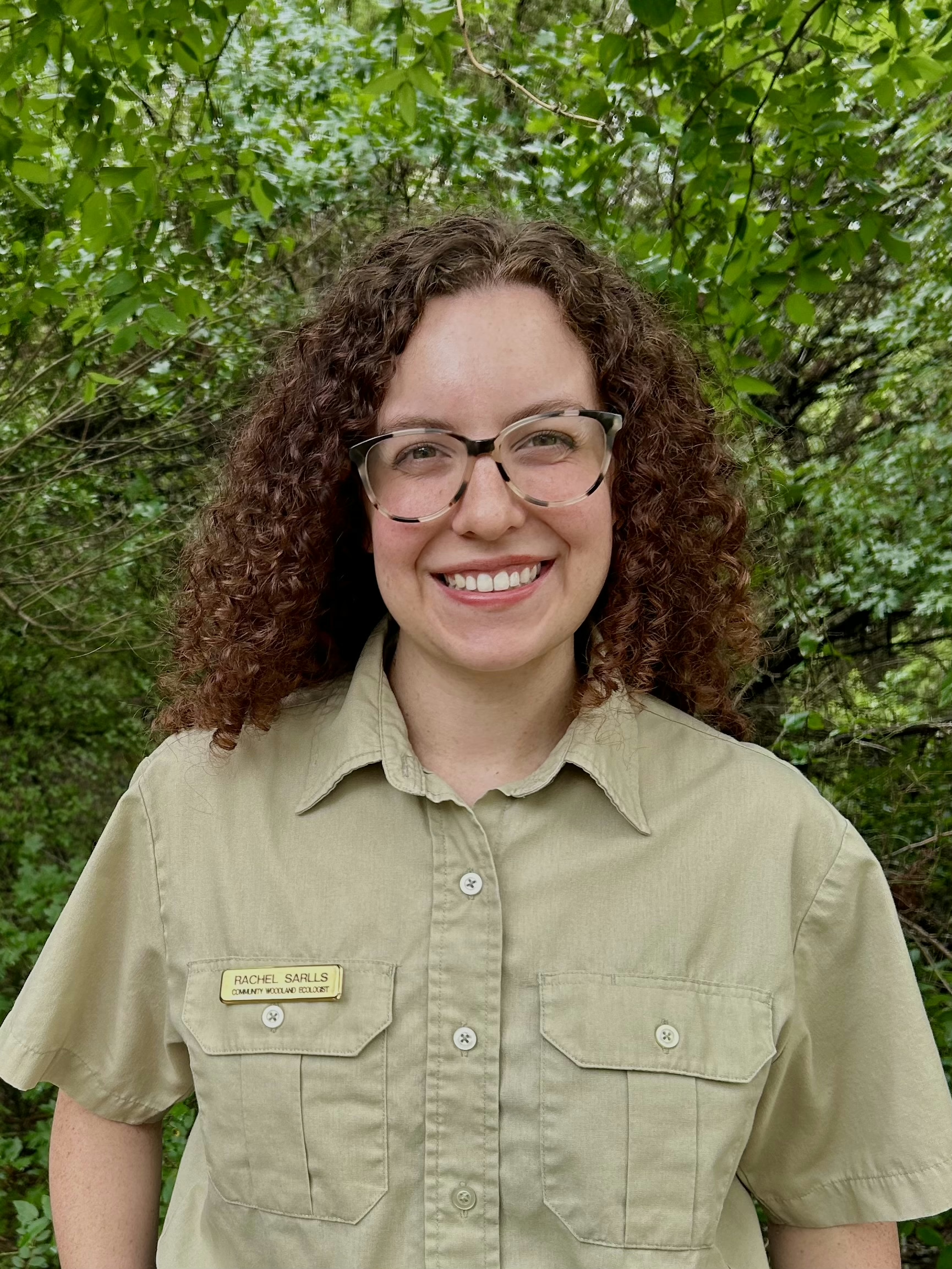
Have you wondered which native tree will shade your backyard, not drop leaves in the pool, and also doesn’t need a lot of water? Or wonder what to consider when picking a tree for color or to create a visual screen? Rachel Sarlls addresses these questions and others during our August meeting.

Scholarship recipient

Calvin Nering – 2025 recipient of $2000 “Bill Lindemann Scholarship”

The Fredericksburg Chapter of the Native Plant Society of Texas (NPSOT) has awarded its $2,000 “Bill Lindemann Scholarship” to Calvin Nering, a student at the University of North Texas. Nering expects to receive his Bachelor of Science degree in Ecology for Environmental Science, with a minor in Geography, in spring 2026.

About the Region

Fall Symposium 2025 Logo - Teach for the Future

Salado, the location of our Fall 2025 Symposium, lies at the intersection of two ecoregions: the Edwards Plateau (Limestone Cut Plain) and Blackland Prairie (Northern Blackland Prairie).

The Edwards Plateau area is also called the Hill Country; however, this general term covers a much larger area extending farther north. Spring-fed creeks are found throughout the region; deep limestone canyons, rivers, and lakes (reservoirs) are common. Ashe juniper is perhaps the most common woody species found throughout the region. Additional woody species include various species of oak, with live oak (Quercus fusiformis) being the most common. Sycamores (Platanus occidentalis) and bald cypress (Taxodium distichum) border waterways. This area is well known for its spring wildflower displays, though they may be viewed in spring, late summer, and fall, as well. According to Texas Parks and Wildlife, average annual rainfall in the Edwards Plateau ranges from 15 to 34 inches.

The Blackland Prairie extends from the Red River south to San Antonio, bordered on the west by the Edwards Plateau and the Cross Timbers, and on the east by the Post Oak Savannah. Annual rainfall averages 30 to 40 inches, with higher averages to the east. This region is dominated by prairie species. The most common grass species include little bluestem (Schizachyrium scoparium) and Indian grass (Sorghastrum nutans) in the uplands and switchgrass (Panicum virgatum) in the riparian areas and drainages. Common herbaceous flowering plants include salvias, penstemons, and silphiums. This area has suffered greatly from overgrazing and agricultural use. Few intact areas remain, though many of the plants can be found along county roadsides throughout the region.

Our fall Symposium host chapter, the Tonkawa Chapter, includes both of these ecoregions.

Source: Wildflowers of Texas by Michael Eason