Lindheimer Chapter

Join us at our upcoming plant sale on November 9, 2024 from 10am-2pm at the Tye Preston Memorial Library. See the map and plant list below.

Here are the plants available. You can view the gallery of available plants below or use the table at the end of this page to make your own plant or shopping list. Note that this list may change as the plant sale approaches.

Table of Contents

Available Plants by Type

Cactus & Succulent

Grass & Sedge

Groundcover

Herbaceous

Shrub

Vine

Additional Plants available:

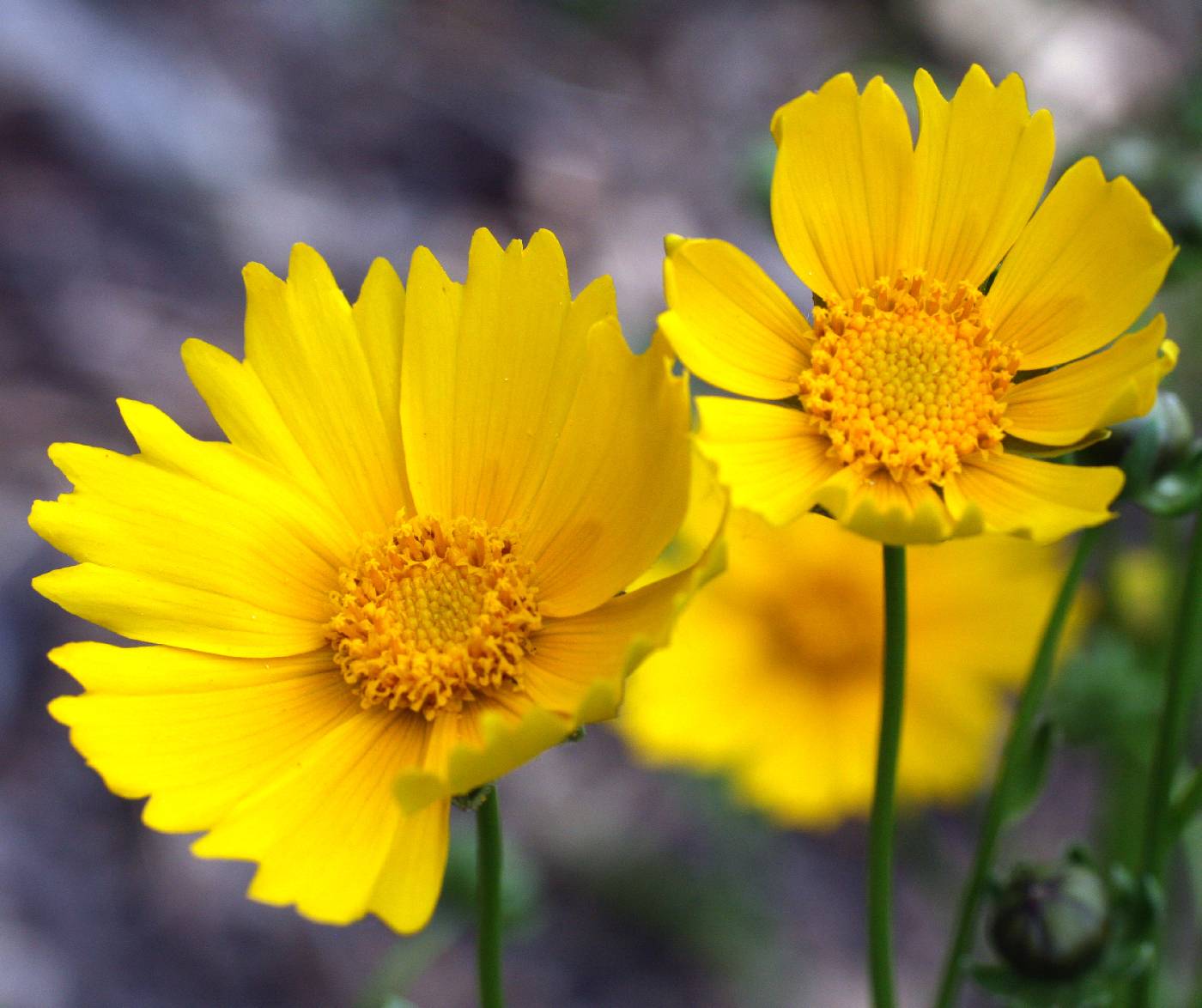
Calylophus

Calylophous berlandieri

1-2’ high; 1-2 spread’ Sun/Part shade Evergreen Blooms Spring- summer Showy yellow flowers

Texas Betony

Stachys coccinea

1-1.5′ high; 2-3′ spread
Sun/Part Shade Deciduous Blooms Spring-fall Coral/red flowers;

Plant Sale Table

Here is the same list in tabular form. If you’d like to make your own shopping list you can copy and paste this table into a spreadsheet. For best results paste as text format into the spreadsheet.

Common Name Scientific Name Growth Form Light Requirement Water Requirement
Aromatic Sumac Rhus aromatica Shrub Sun, Part Shade, Shade Low
Black Dalea Dalea frutescens Shrub Sun Low
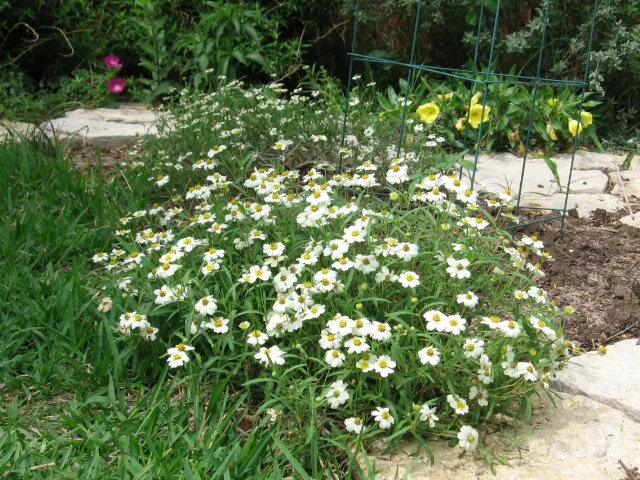
Blackfoot Daisy Melampodium leucanthum Herbaceous Sun Low
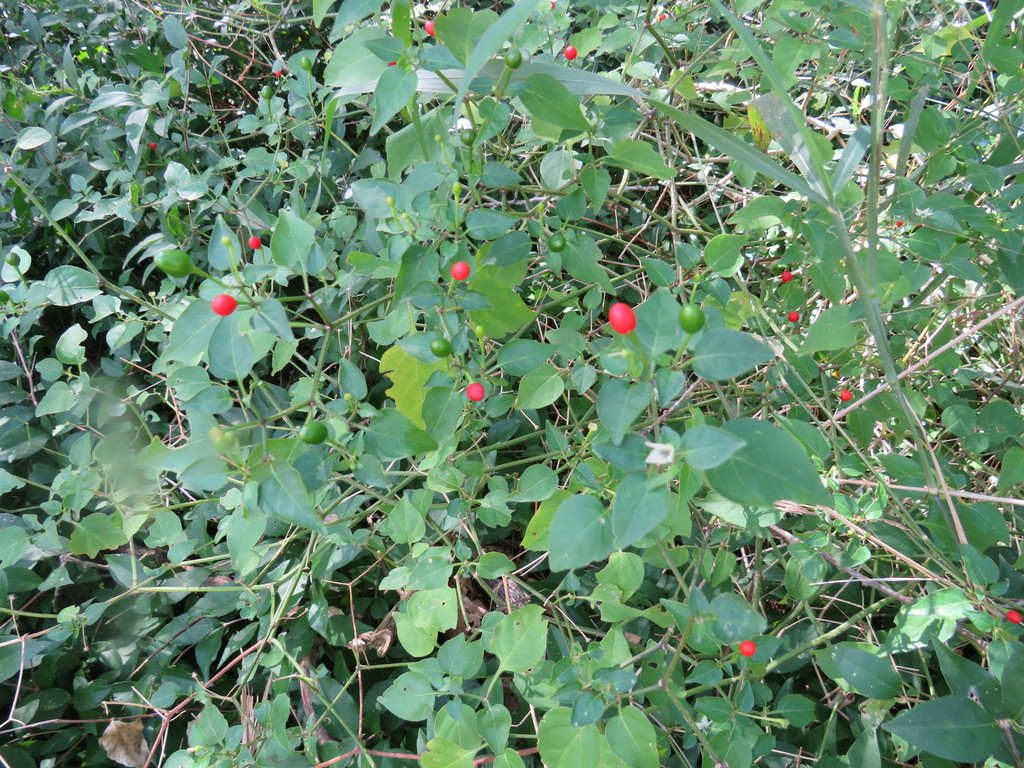
Chile Pequin Capsicum annuum Herbaceous Sun, Part Shade, Shade Low
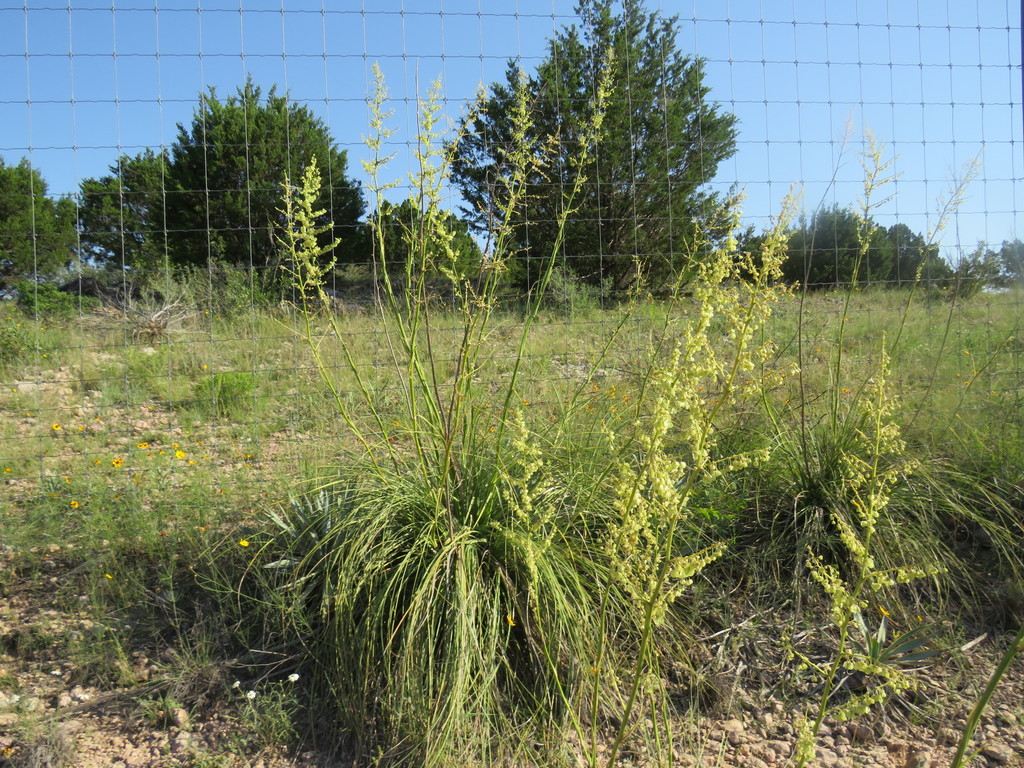
Devil's Shoestring Nolina lindheimeriana Cactus & Succulent Sun, Part Shade Low
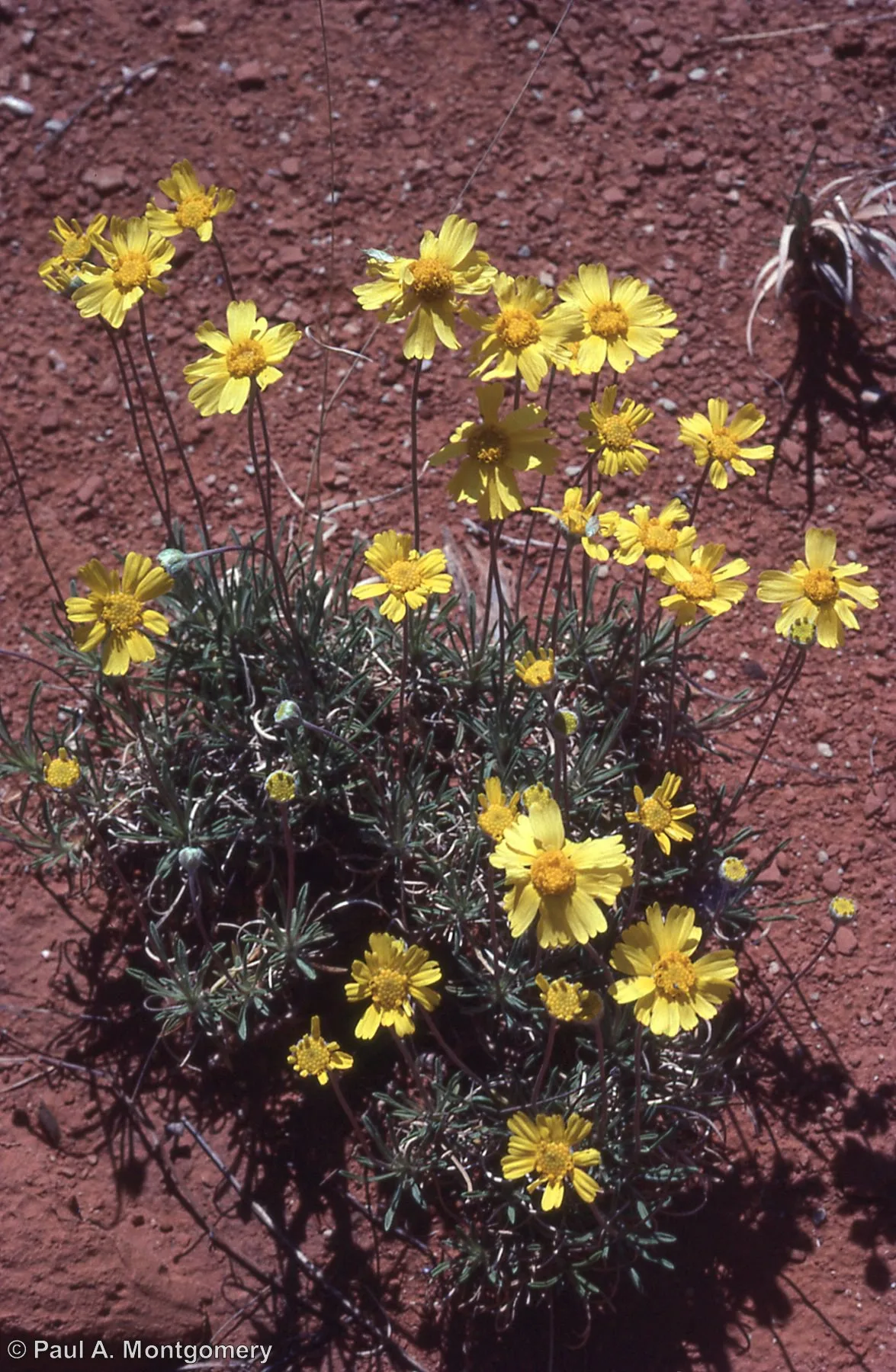
Four-nerve Daisy Tetraneuris scaposa Herbaceous Sun, Part Shade Very Low, Low
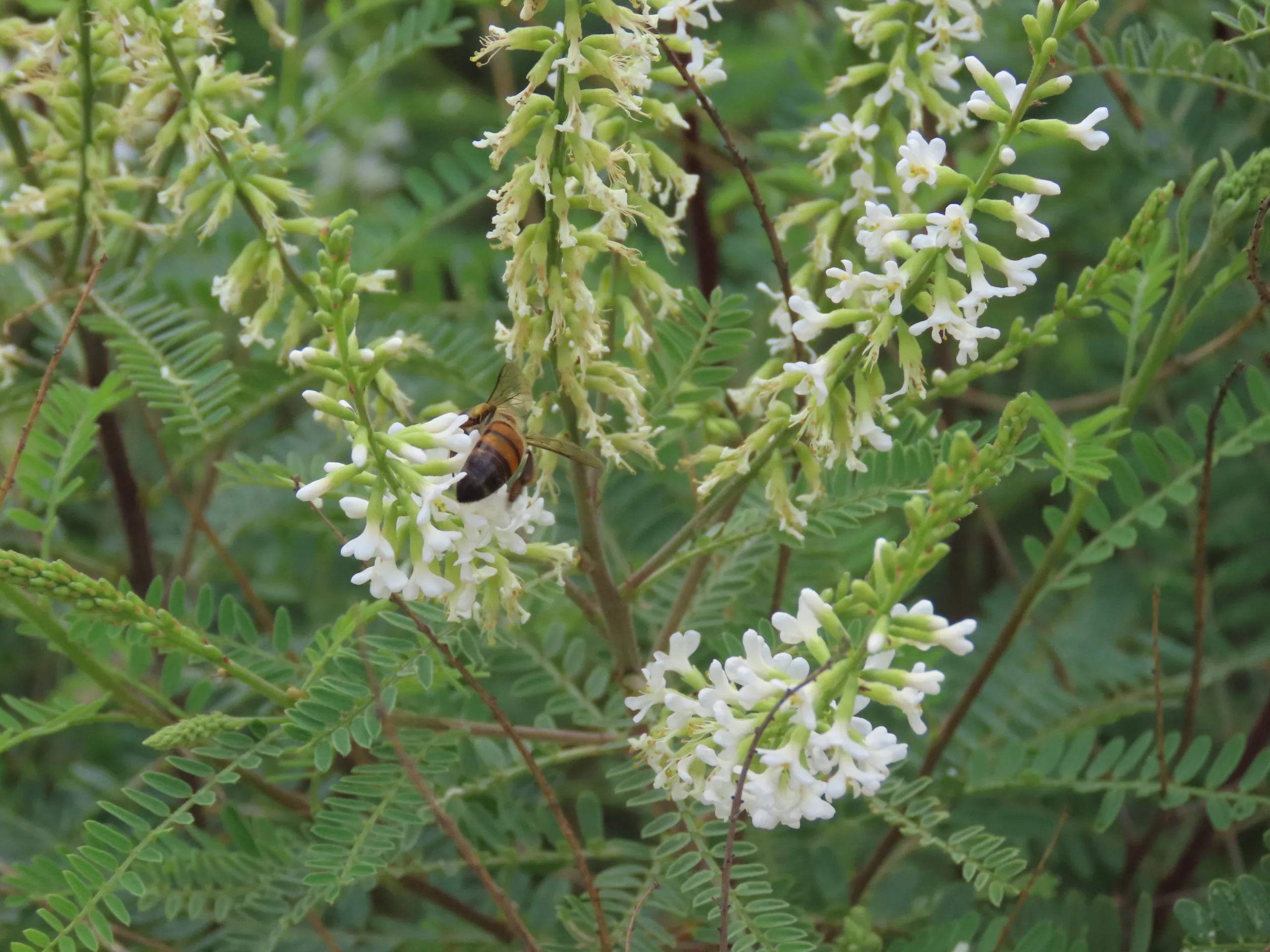
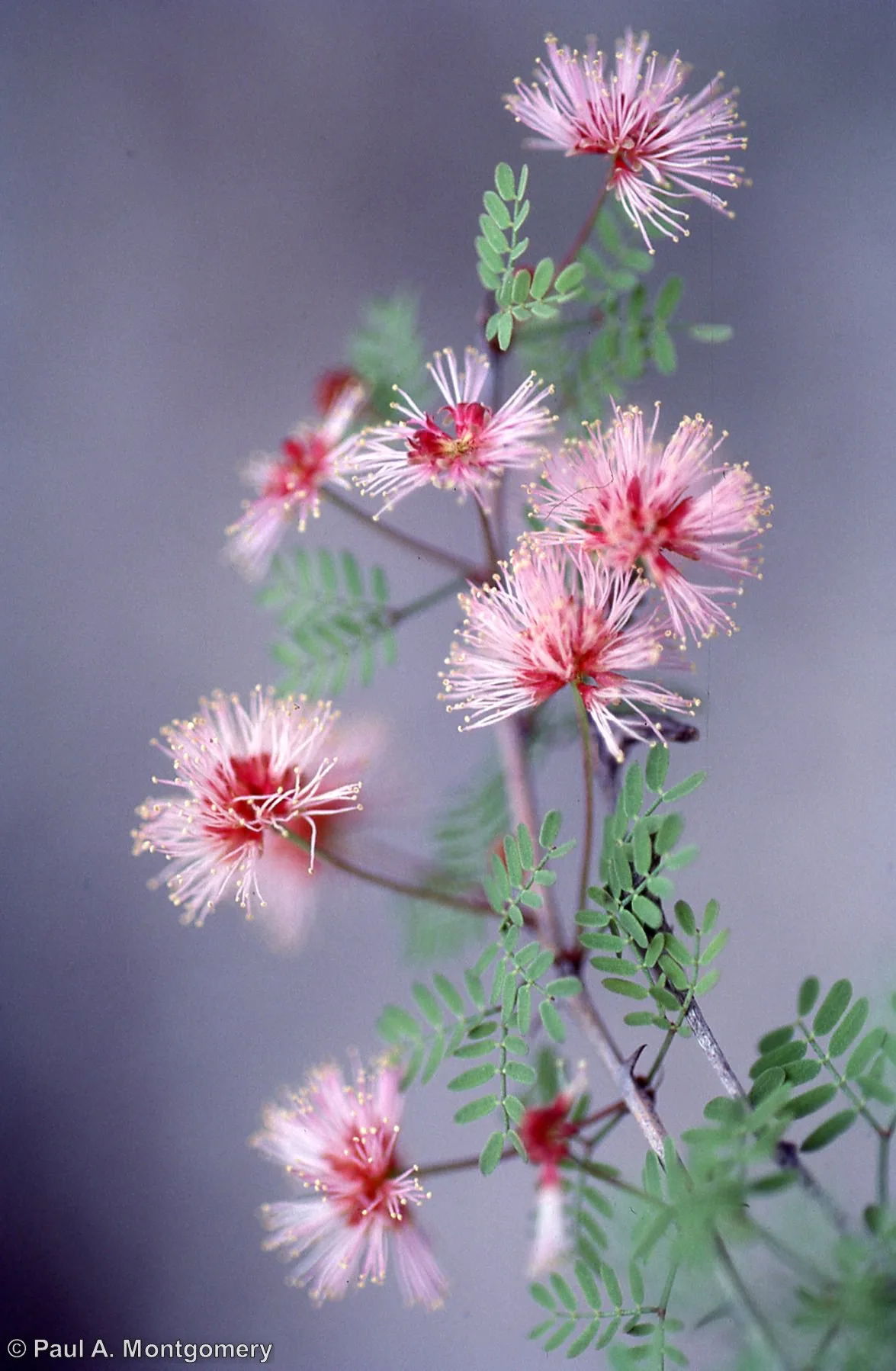
Fragrant Mimosa Mimosa borealis Shrub Sun, Part Shade Low
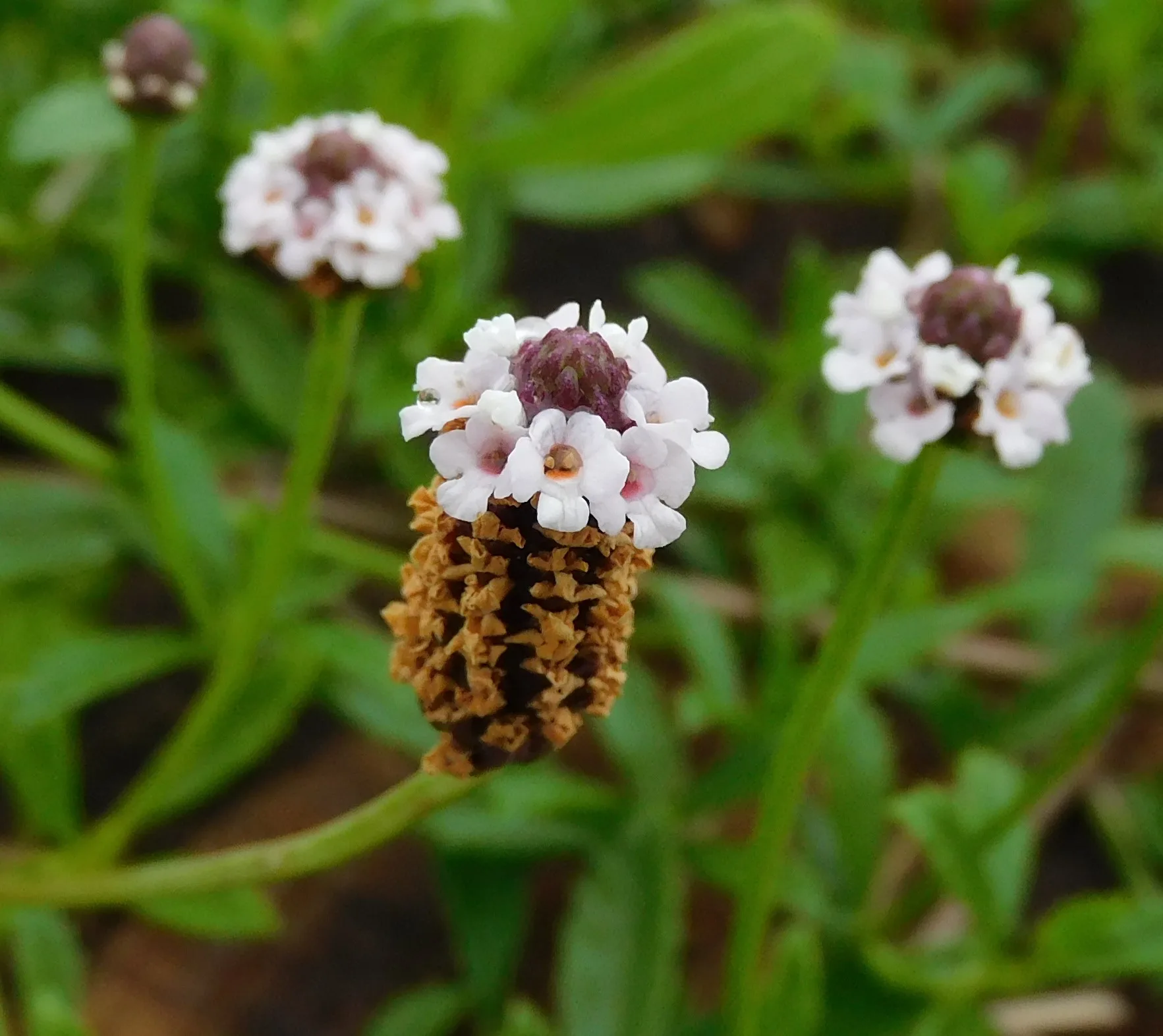
Frogfruit Phyla nodiflora Groundcover, Herbaceous Sun, Part Shade Low, Medium
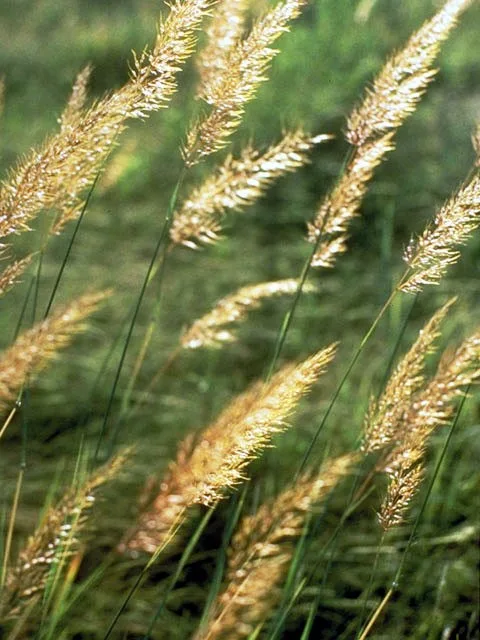
Indiangrass Sorghastrum nutans Grass & Sedge Sun, Part Shade, Shade Medium
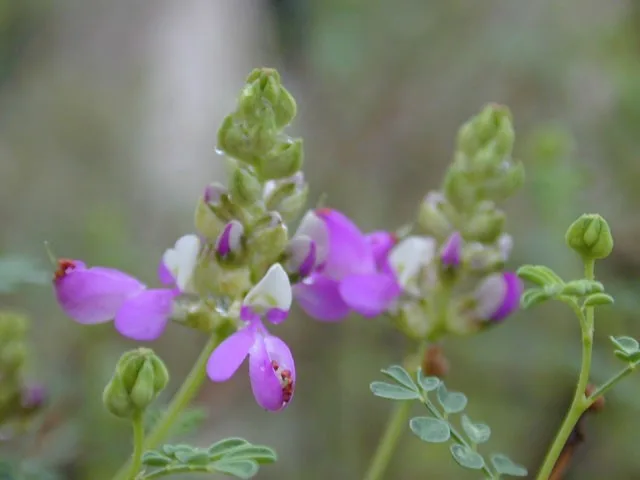
Kidneywood Eysenhardtia texana Shrub Sun, Part Shade Very Low, Low
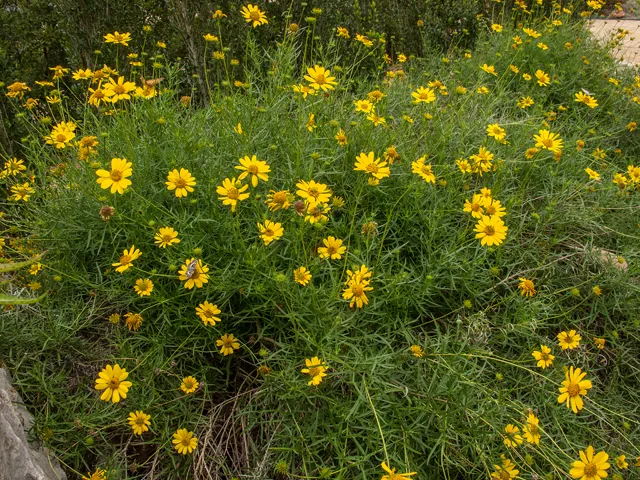
Lanceleaf Coreopsis Coreopsis lanceolata Herbaceous Sun, Part Shade Medium
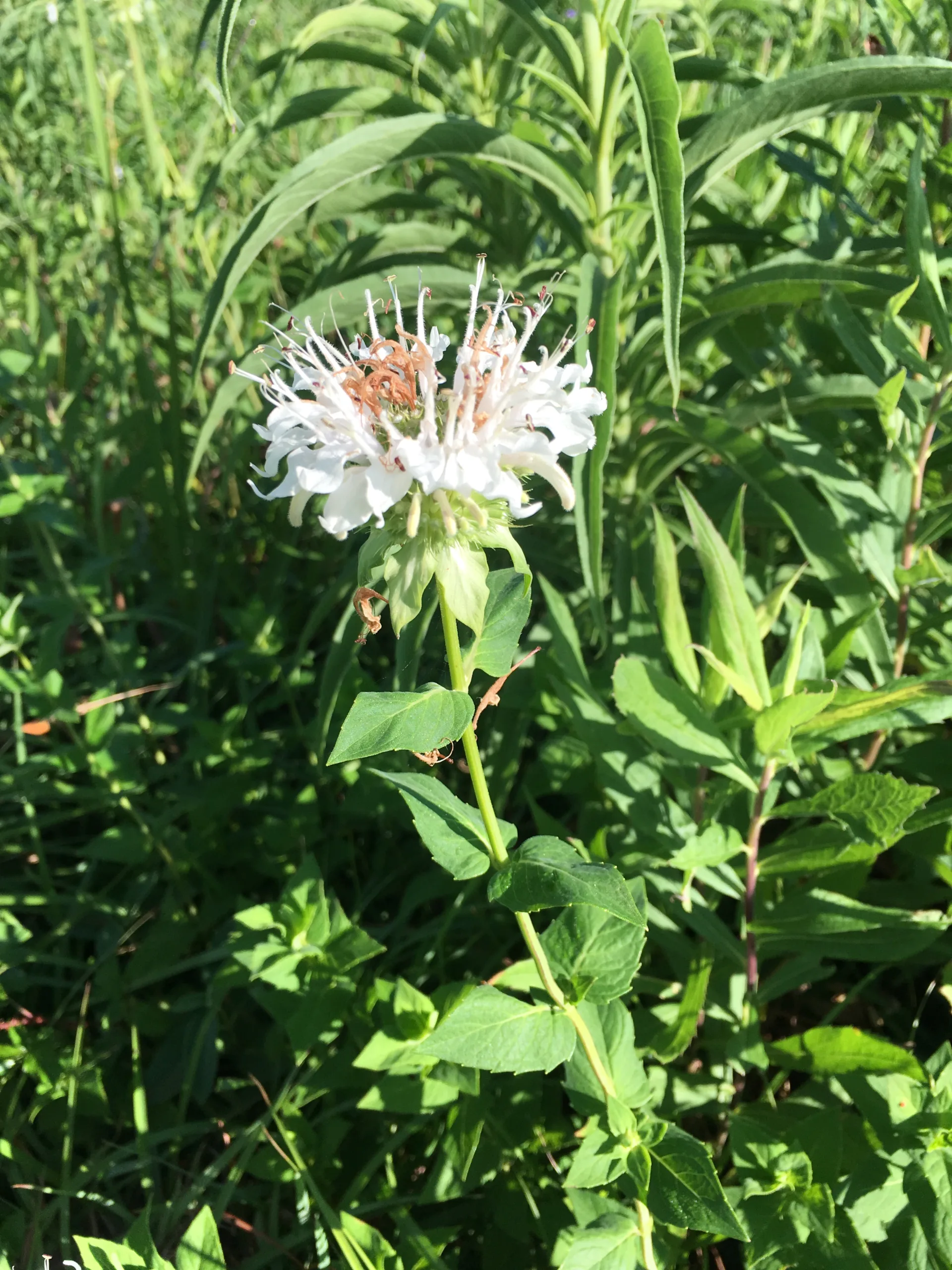
Lindheimer Beebalm Monarda lindheimeri Herbaceous Sun Low, Medium
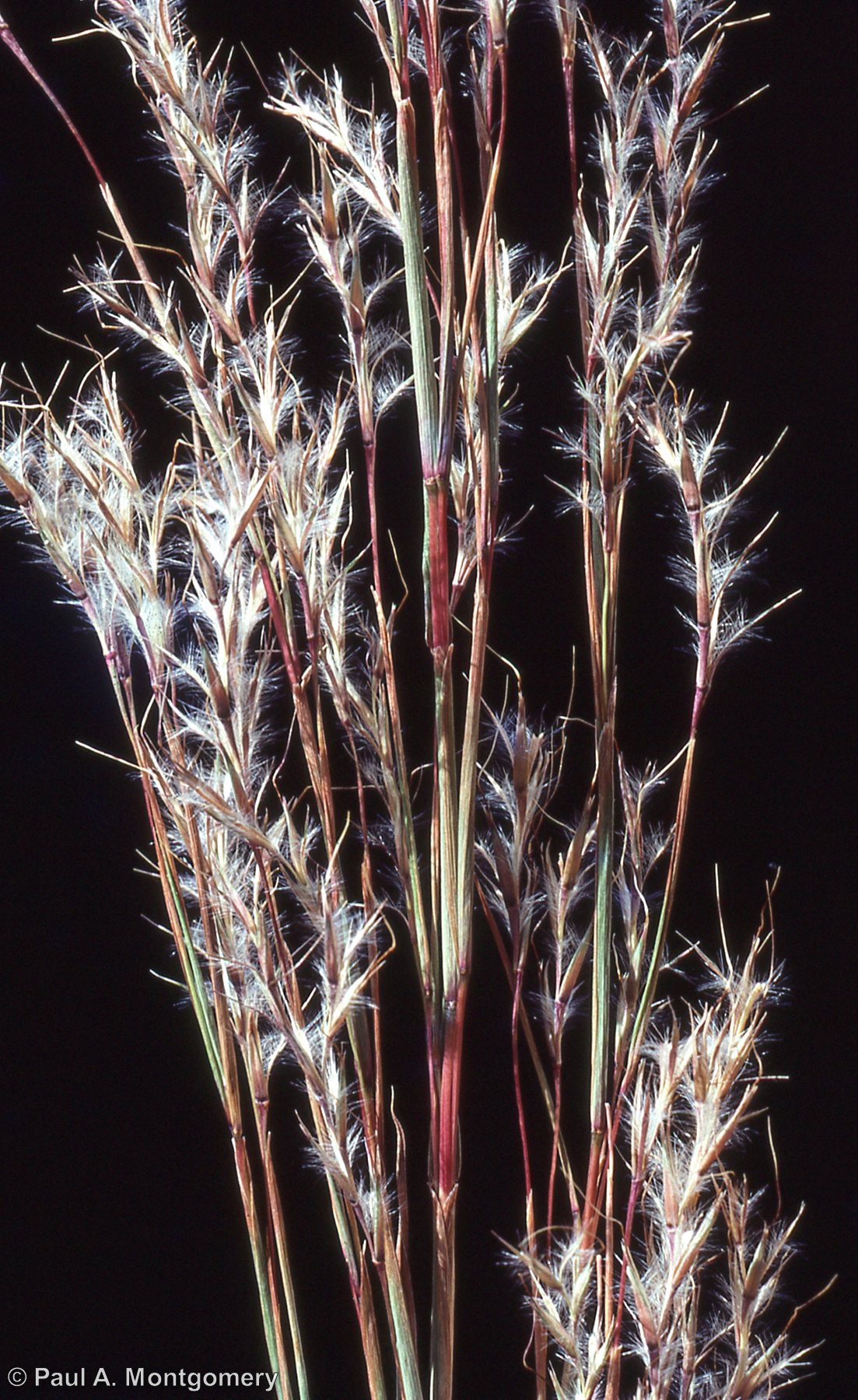
Little Bluestem Schizachyrium scoparium Grass & Sedge Sun, Part Shade Low, Medium
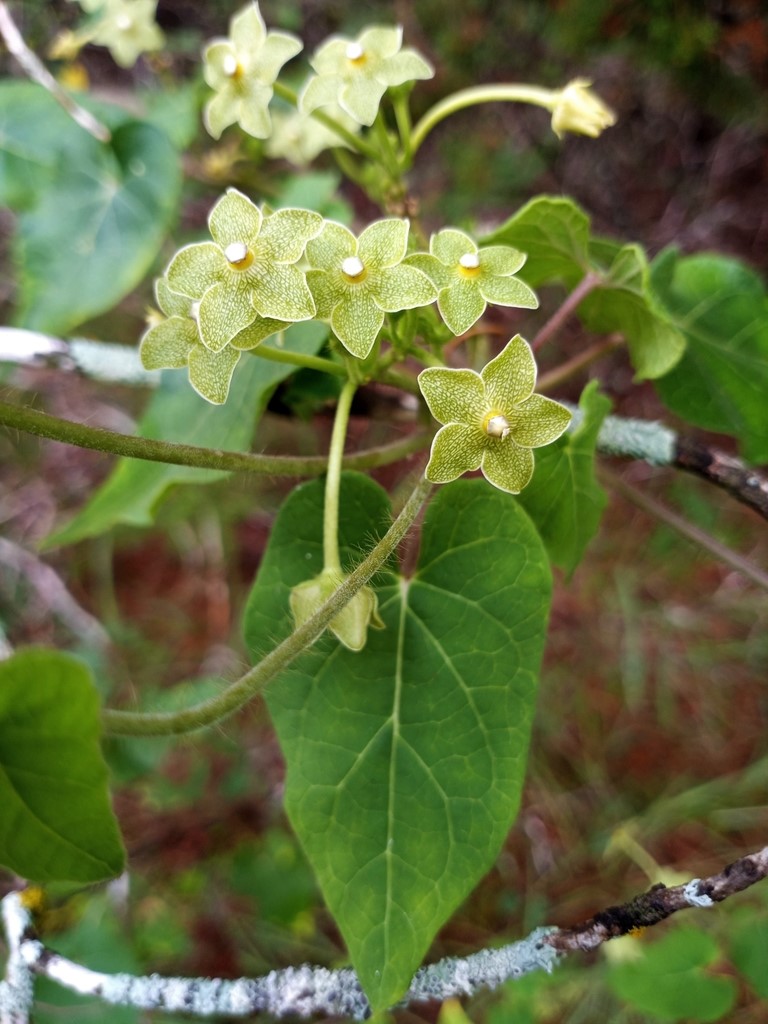
Pearl Milkweed Vine Matelea reticulata Vine Part Shade Low
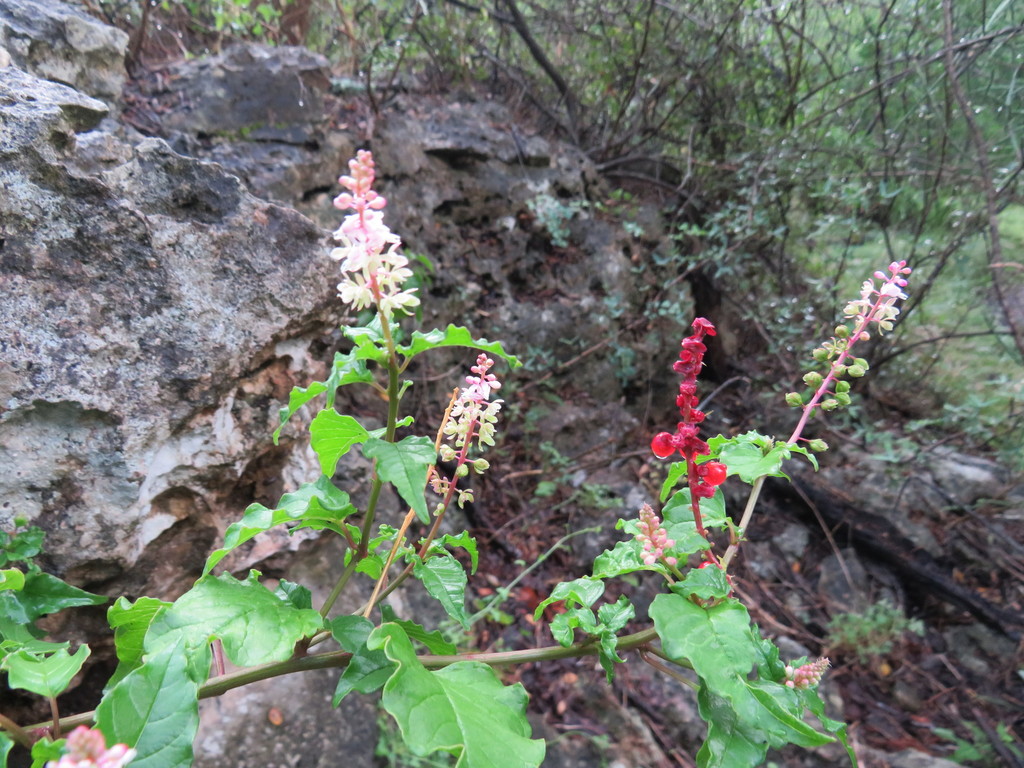
Pigeonberry Rivina humilis Herbaceous Sun, Part Shade, Shade Low, Medium
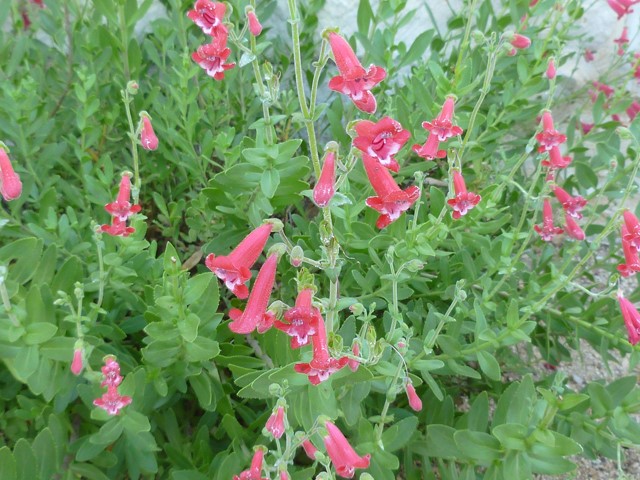
Rock Penstemon Penstemon baccharifolius Shrub Sun, Part Shade Low
Sideoats Grama Bouteloua curtipendula Grass & Sedge Sun, Part Shade Medium, High
Skeletonleaf Goldeneye Viguiera stenoloba Shrub Sun Low
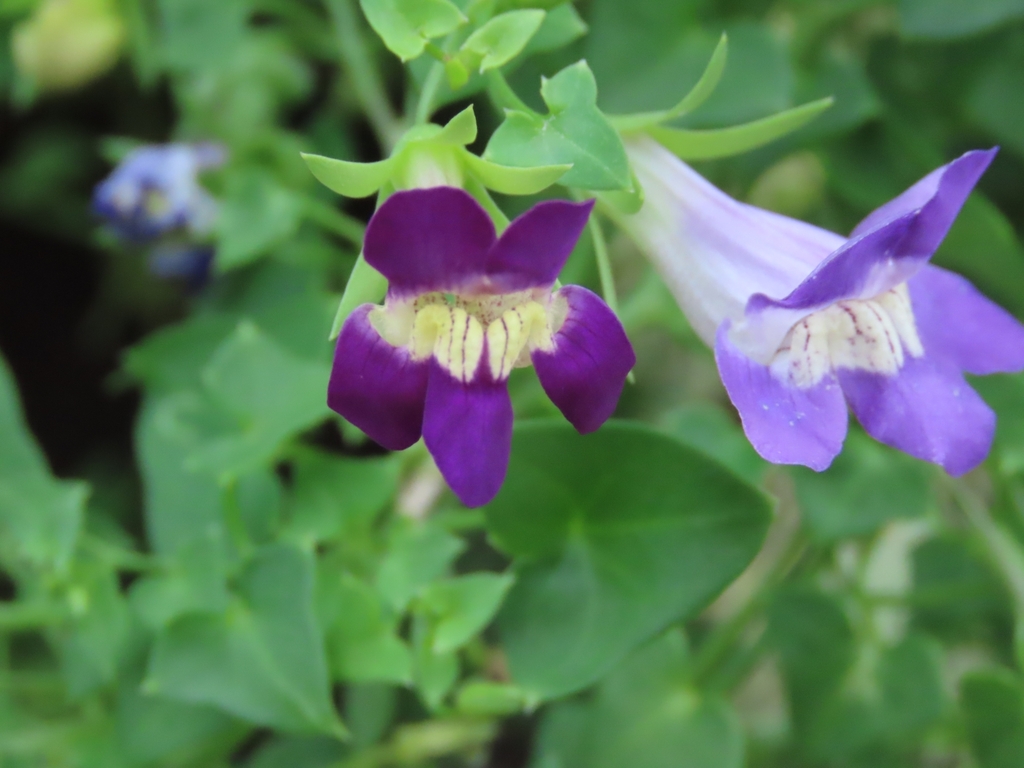
Snapdragon Vine Maurandella antirrhiniflora Vine Sun, Part Shade Low, Medium
Squarebud Daisy Tetragonotheca texana Herbaceous Sun Low
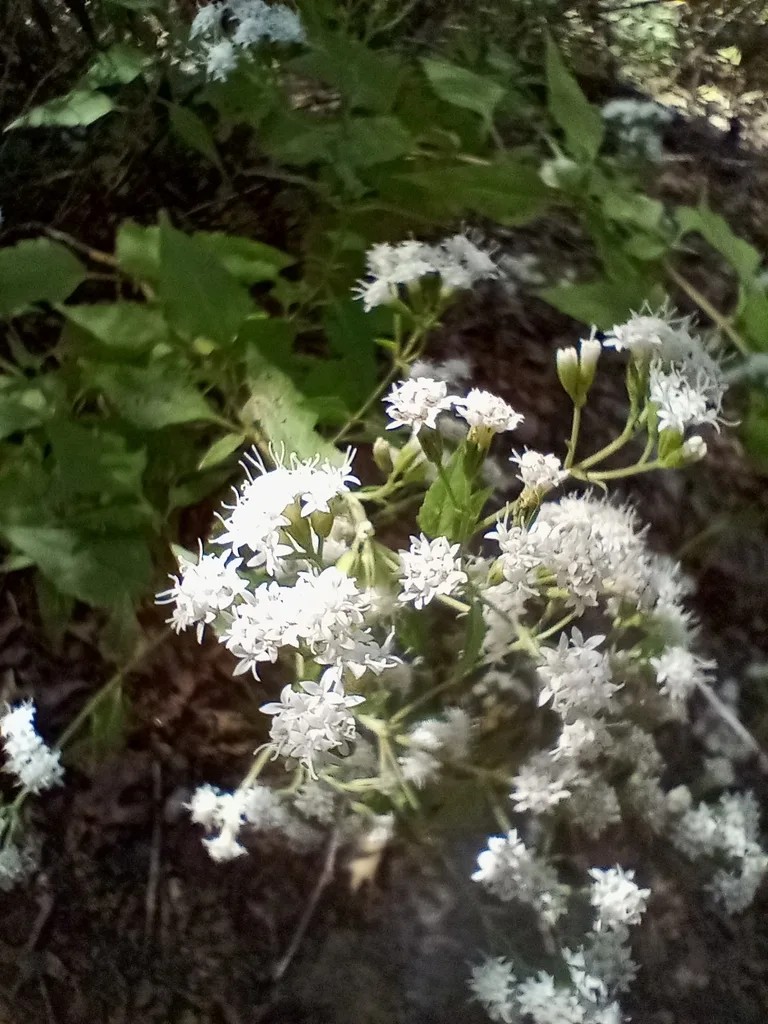
White Mistflower Ageratina havanensis Shrub Sun, Part Shade Low
Wright's Skullcap Scutellaria wrightii Herbaceous Sun, Part Shade Low

About the Region

2026 Fall Symposium Logo

This low-elevations region of Texas extends inland from the barrier islands, about 60 or so miles, and stretches from Brownsville to Louisiana. In total, it covers about 9.5 million acres, with a high point of 150 feet in elevation. More than 1000 species of plants can be found in this region. On the southern end, species more common in Mexico (such as Sabal mexicana) and Central America occur.

The barrier islands provide us with dune systems, and clay flats to the inland side, which have species found in these areas alone. Many plants here, such as Ipomoea pes-caprae (beach morning glory), can be found throughout tropical regions of the globe. I’ve encountered the same species on the beaches of Guam.

Once inland, vast marshes and wet prairies occur. Occasionally, oak (Quercus fusiformis) groves can be found. Common grasses include species of Bothriochloa, Paspalum, and Sporobolus; eastern gamagrass (Tripsacum dactyloides); and switchgrass (Panicum species). Many rivers and creeks cut through the Gulf Prairies, and along these riparian areas various species of trees, Sabal minor, and other plants adapted to clay soils can be found. Due to overgrazing, farming, and fire suppression, woody species such as mesquite (Prosopis glandulosa) and huisache (Acacia farnesiana), and invasive species such as chinaberry (Melia azedarach), Brazilian pepper (Schinus terebinthifolius), and Chinese tallow (Sapium sebiferum) have increased and displaced our native flora.

Source: Wildflowers of Texas by Michael Eason