Bill Freiheit’s Garden in Fort Worth

Ecoregion: Cross Timbers
Front yard makeover in Fort Worth

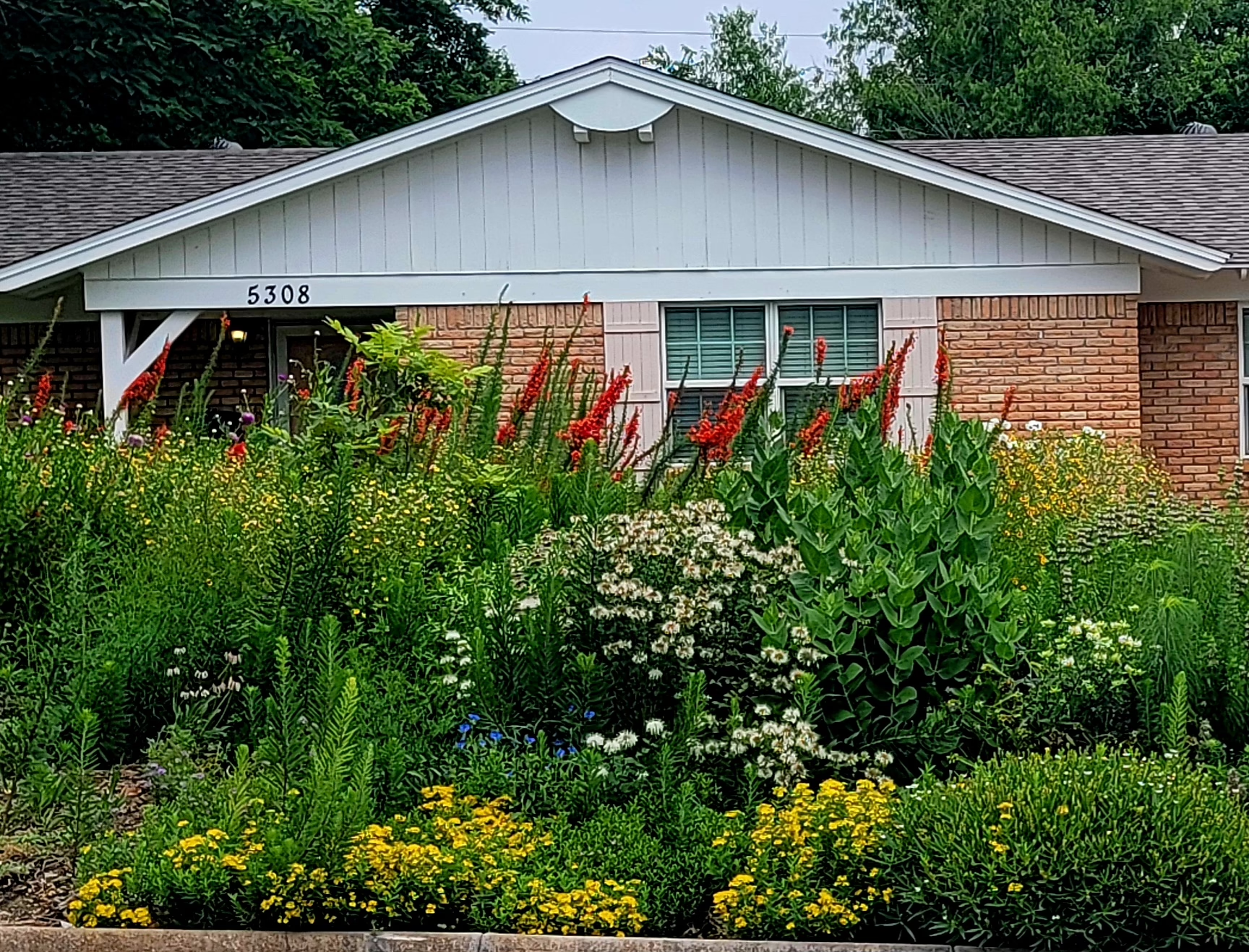
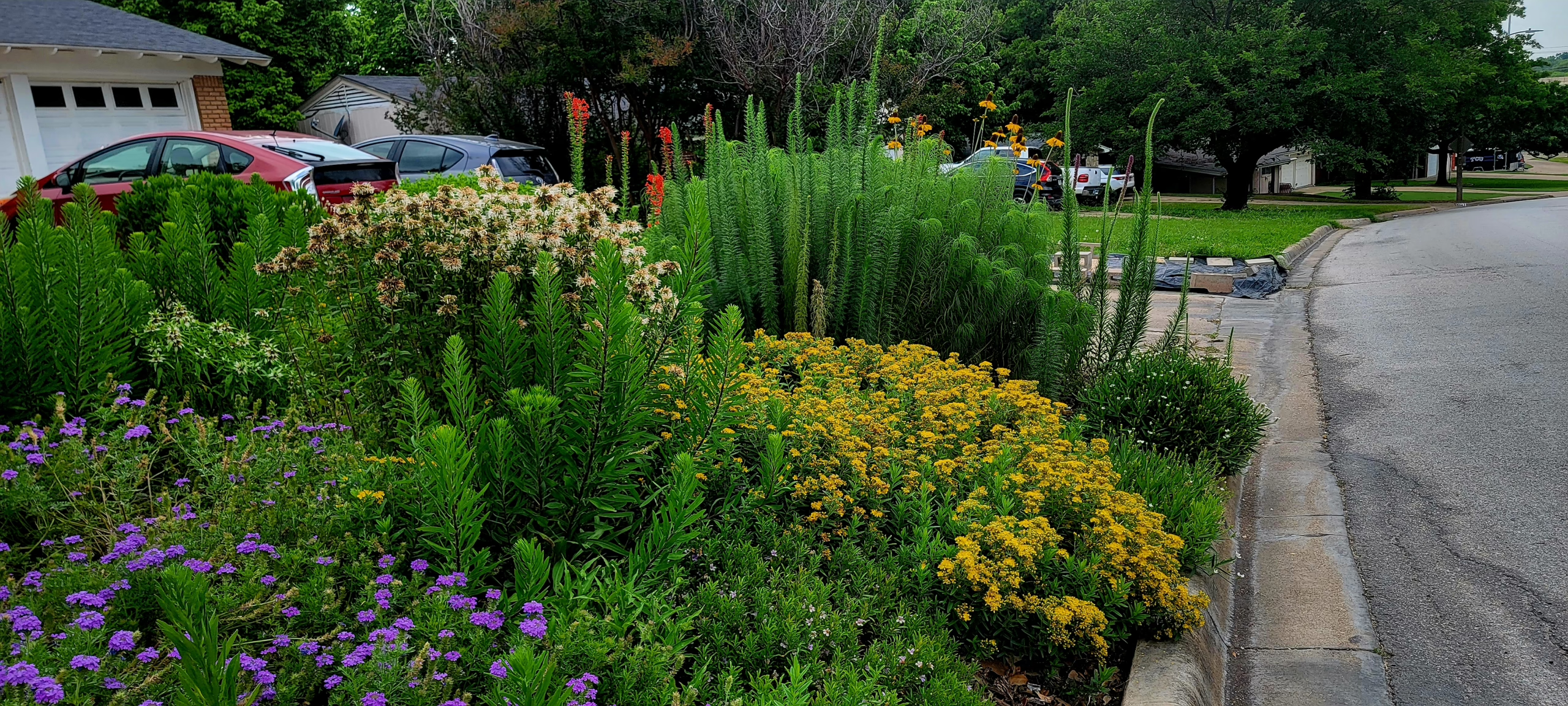
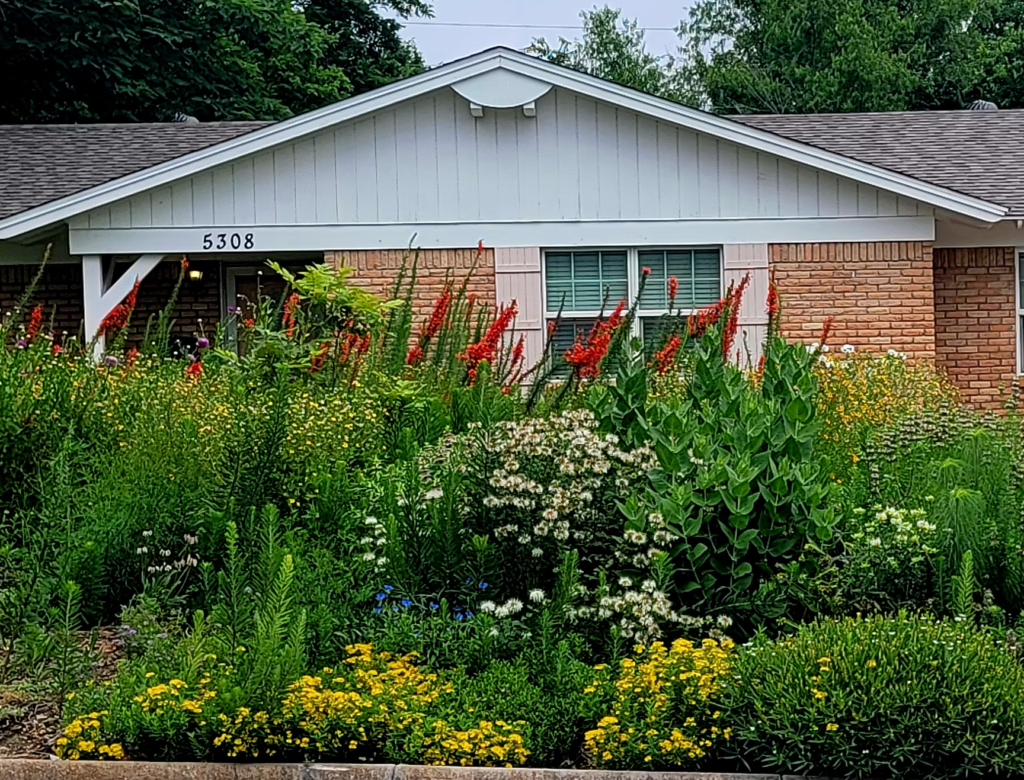
North Central chapter member Bill Freiheit removed his front lawn by using seven truckloads of free wood chips and a double truck load of dynosoil on top. Bill says, “This killed the grass and provided enough compost to sculpt the yard into tiers that get higher as they approach the house. This allows me to show shorter plants in front with taller in back. Additionally there is a raised curving walkway through the flowers that allows you to walk out into the middle of it to be surrounded and see it better. Next to it is a curving dry creek bed that guides rooftop water back into the middle of the yard to be absorbed. No watering!”

Species in these pictures; frontal view more or less from left to right: Texas Yellow Star (Lindheimera texana), Basketflower (Centaurea americana), Purple Coneflower (Echinacea pallida or Echinacea angustifolia), Snake Herb (Dyschoriste linearis), Rough Blazing Star (Liatris aspera), Standing Cypress (Ipomopsis rubra), Pecan (Carya illinoinensis), Lindheimer Beebalm (Monarda lindheimeri), Whitemouth Dayflower (Commelina erecta), Roundfruit St. John’s Wort (Hypericum sphaerocarpum), Ashy Sunflower (Helianthus mollis), White Prickly Poppy (Argemone albiflora), Water Willow (Justicia americana), Spotted Beebalm (Monarda punctata), Willowleaf Sunflower (Helianthus salicifolius)

About the Region

Fall Symposium 2025 Logo - Teach for the Future

Salado, the location of our Fall 2025 Symposium, lies at the intersection of two ecoregions: the Edwards Plateau (Limestone Cut Plain) and Blackland Prairie (Northern Blackland Prairie).

The Edwards Plateau area is also called the Hill Country; however, this general term covers a much larger area extending farther north. Spring-fed creeks are found throughout the region; deep limestone canyons, rivers, and lakes (reservoirs) are common. Ashe juniper is perhaps the most common woody species found throughout the region. Additional woody species include various species of oak, with live oak (Quercus fusiformis) being the most common. Sycamores (Platanus occidentalis) and bald cypress (Taxodium distichum) border waterways. This area is well known for its spring wildflower displays, though they may be viewed in spring, late summer, and fall, as well. According to Texas Parks and Wildlife, average annual rainfall in the Edwards Plateau ranges from 15 to 34 inches.

The Blackland Prairie extends from the Red River south to San Antonio, bordered on the west by the Edwards Plateau and the Cross Timbers, and on the east by the Post Oak Savannah. Annual rainfall averages 30 to 40 inches, with higher averages to the east. This region is dominated by prairie species. The most common grass species include little bluestem (Schizachyrium scoparium) and Indian grass (Sorghastrum nutans) in the uplands and switchgrass (Panicum virgatum) in the riparian areas and drainages. Common herbaceous flowering plants include salvias, penstemons, and silphiums. This area has suffered greatly from overgrazing and agricultural use. Few intact areas remain, though many of the plants can be found along county roadsides throughout the region.

Our fall Symposium host chapter, the Tonkawa Chapter, includes both of these ecoregions.

Source: Wildflowers of Texas by Michael Eason