Highland Lakes Chapter

Highland Lakes Plant Sale

Each year, members of the Native Plant Society of Texas (NPSOT), Highland Lakes chapter, grow native plants that you may not find in typical retail garden centers. These plants are ready for new homes!

When and Where

  • The Spring Plant Sale will be on Saturday, March 28, 2026, 10am – 4pm (or until all plants are sold out)
  • at the 27th Annual Hill Country Lawn and Garden Show
  • Agrilife 
  • 607 N. Vandeveer
    Burnet, TX 78611

Plant List

Table of Contents

Available Plants by Type

Grass & Sedge

Herbaceous

Shrub

Plant Sale Table

Here is the same list in tabular form. If you’d like to make your own shopping list you can copy and paste this table into a spreadsheet. For best results paste as text format into the spreadsheet.

Common Name Scientific Name Growth Form Light Requirement Water Requirement
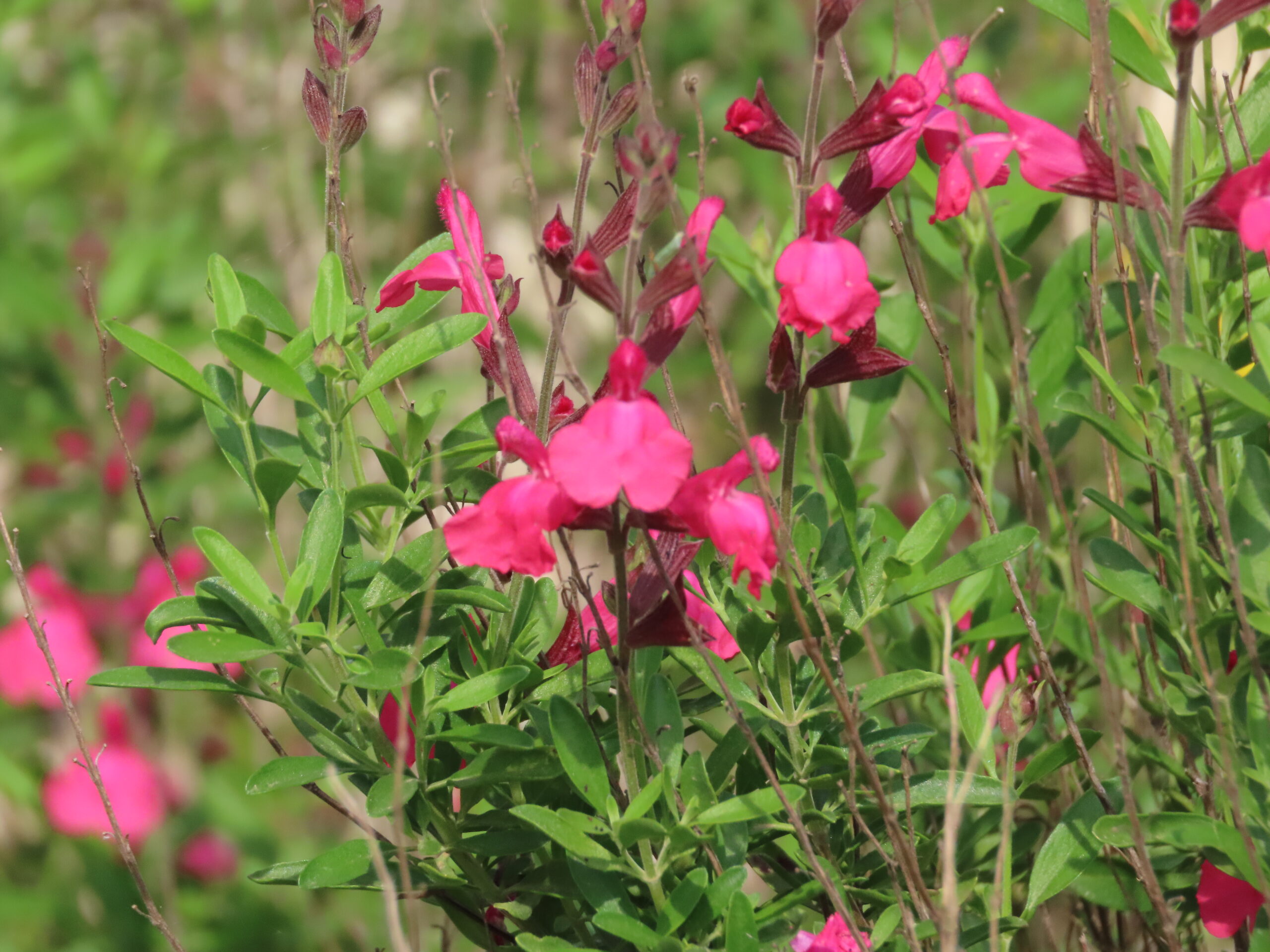
Autumn Sage Salvia greggii Shrub Sun Low
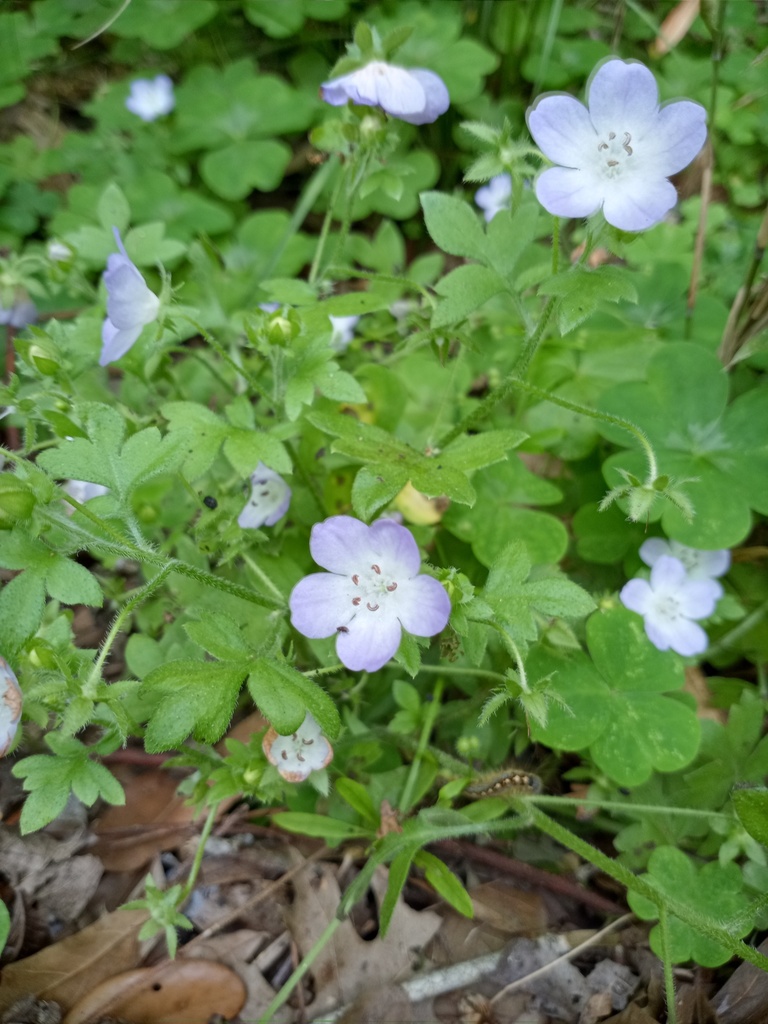
Baby Blue Eyes Nemophila phacelioides Herbaceous Part Shade Medium
Basil Beebalm Monarda clinopodioides Herbaceous Sun, Part Shade Medium
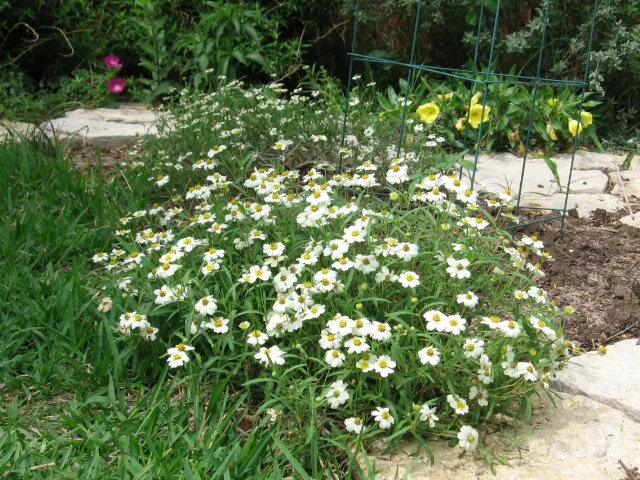
Blackfoot Daisy Melampodium leucanthum Herbaceous Sun Low
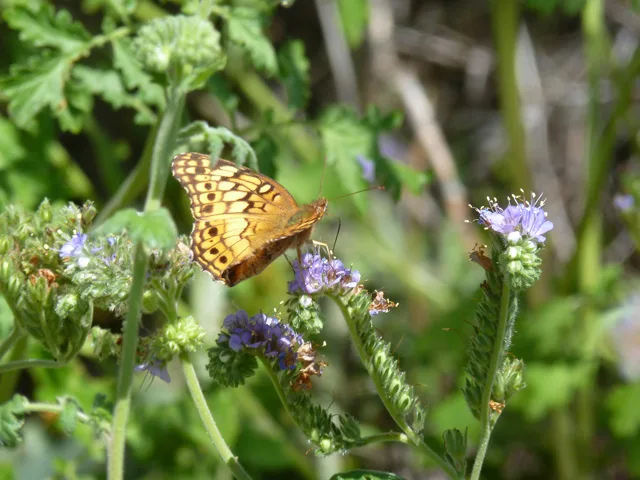
Blue Curls Phacelia congesta Herbaceous Sun, Part Shade Medium
Chile Pequin Capsicum annuum Herbaceous Sun, Part Shade, Shade Low
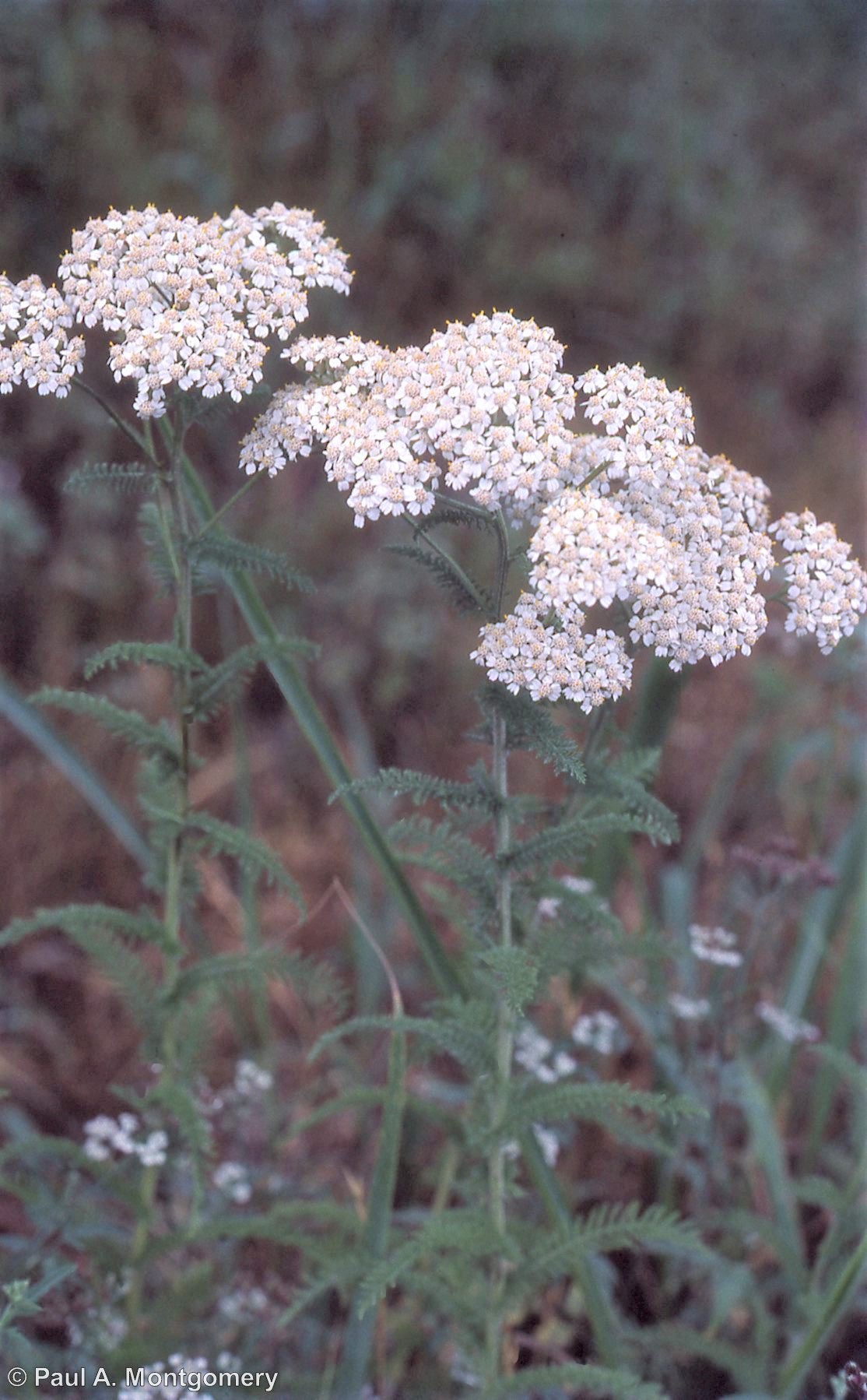
Common Yarrow Achillea millefolium Herbaceous Sun, Part Shade Medium
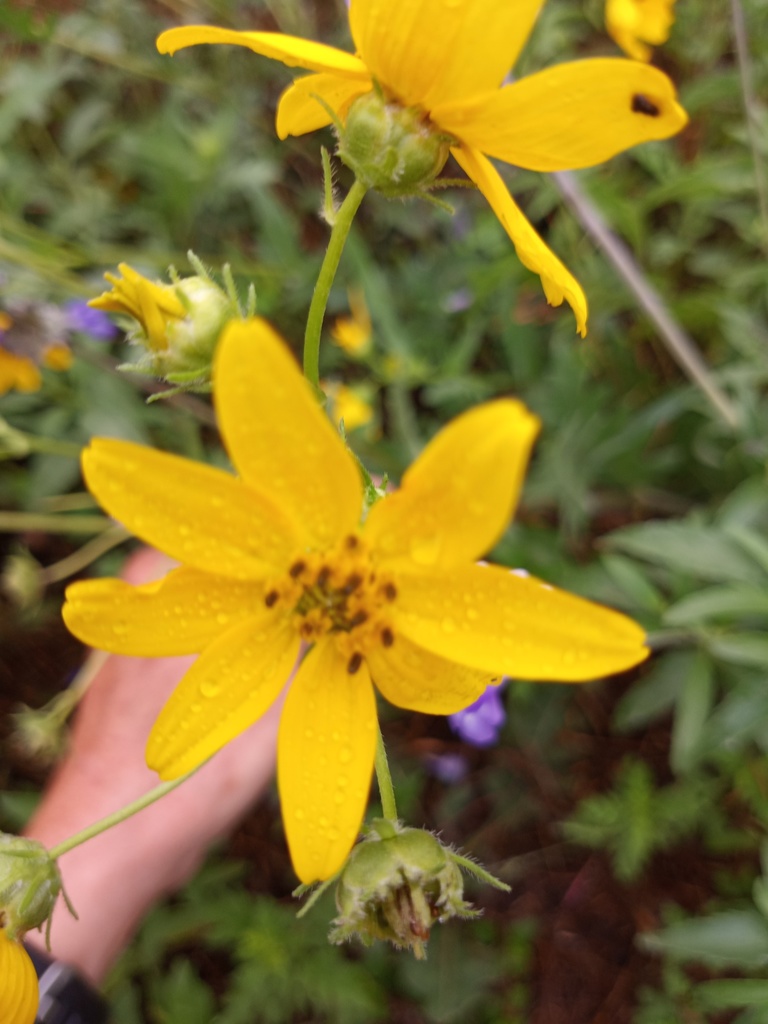
Engelmann's Daisy Engelmannia peristenia Herbaceous Sun Medium
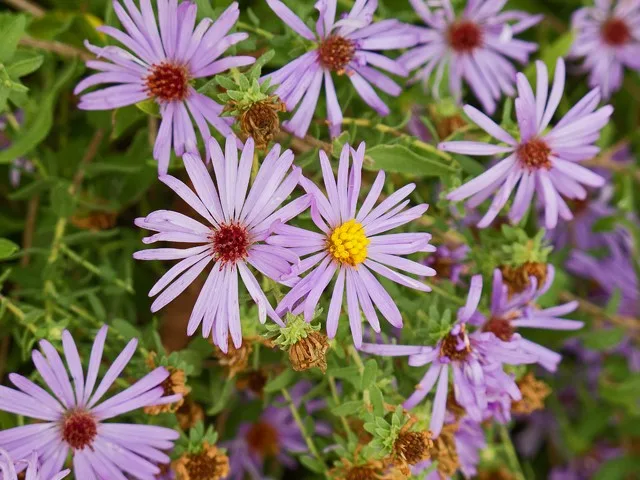
Fall Aster Symphyotrichum oblongifolium Shrub Sun, Part Shade Low
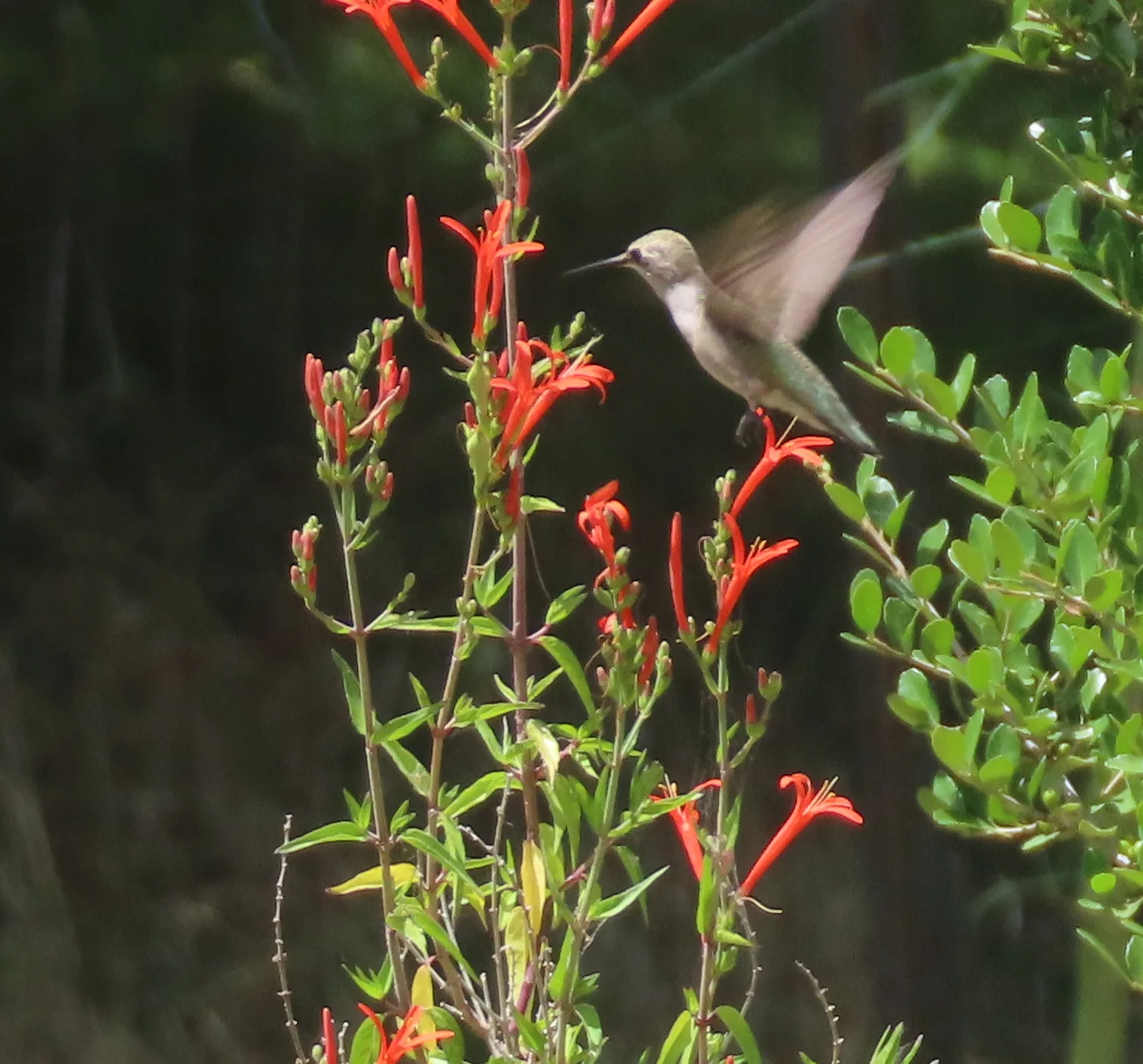
Flame Acanthus Anisacanthus quadrifidus var. wrightii Shrub Sun, Part Shade Very Low, Low
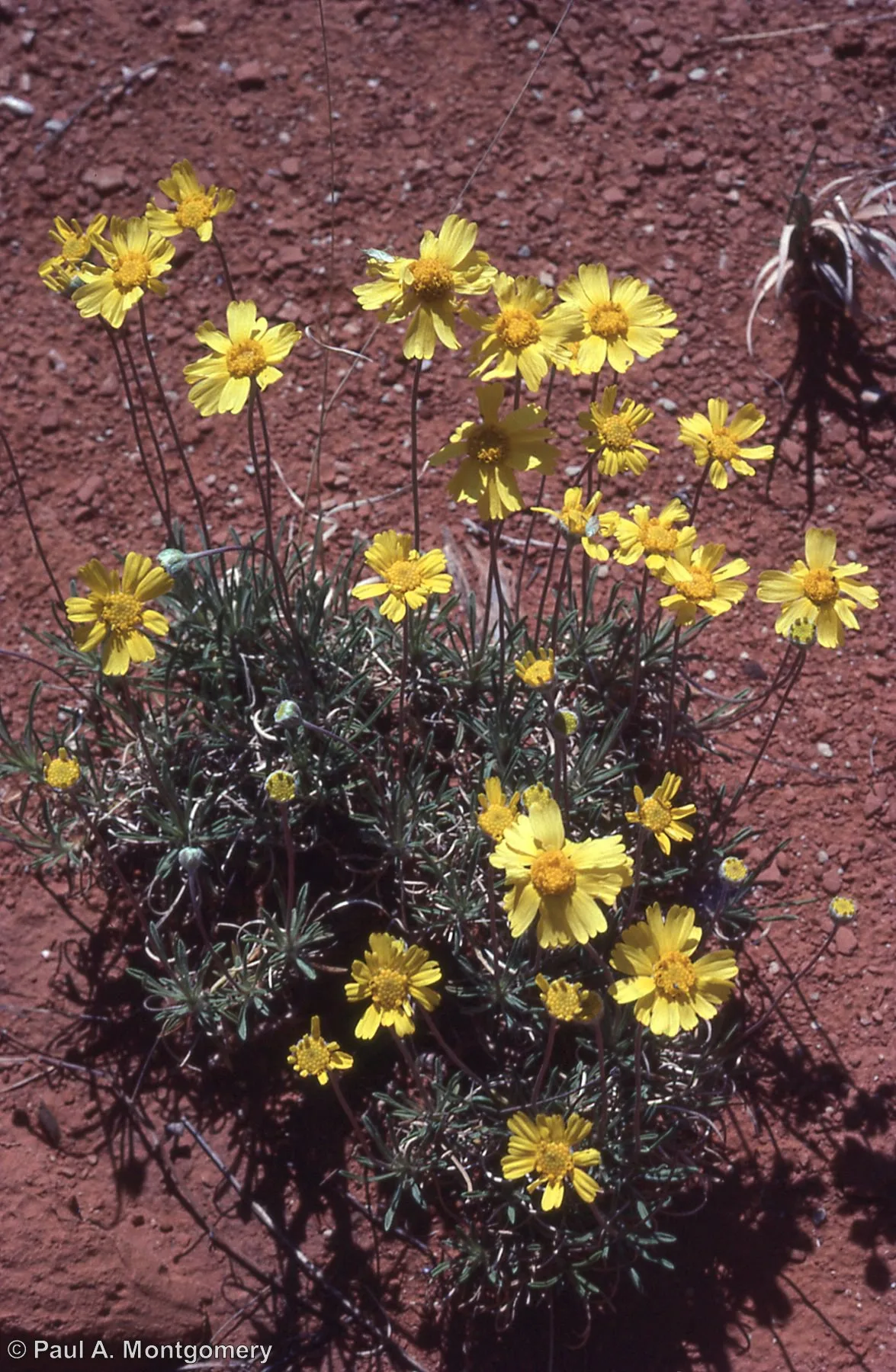
Four-nerve Daisy Tetraneuris scaposa Herbaceous Sun, Part Shade Very Low, Low
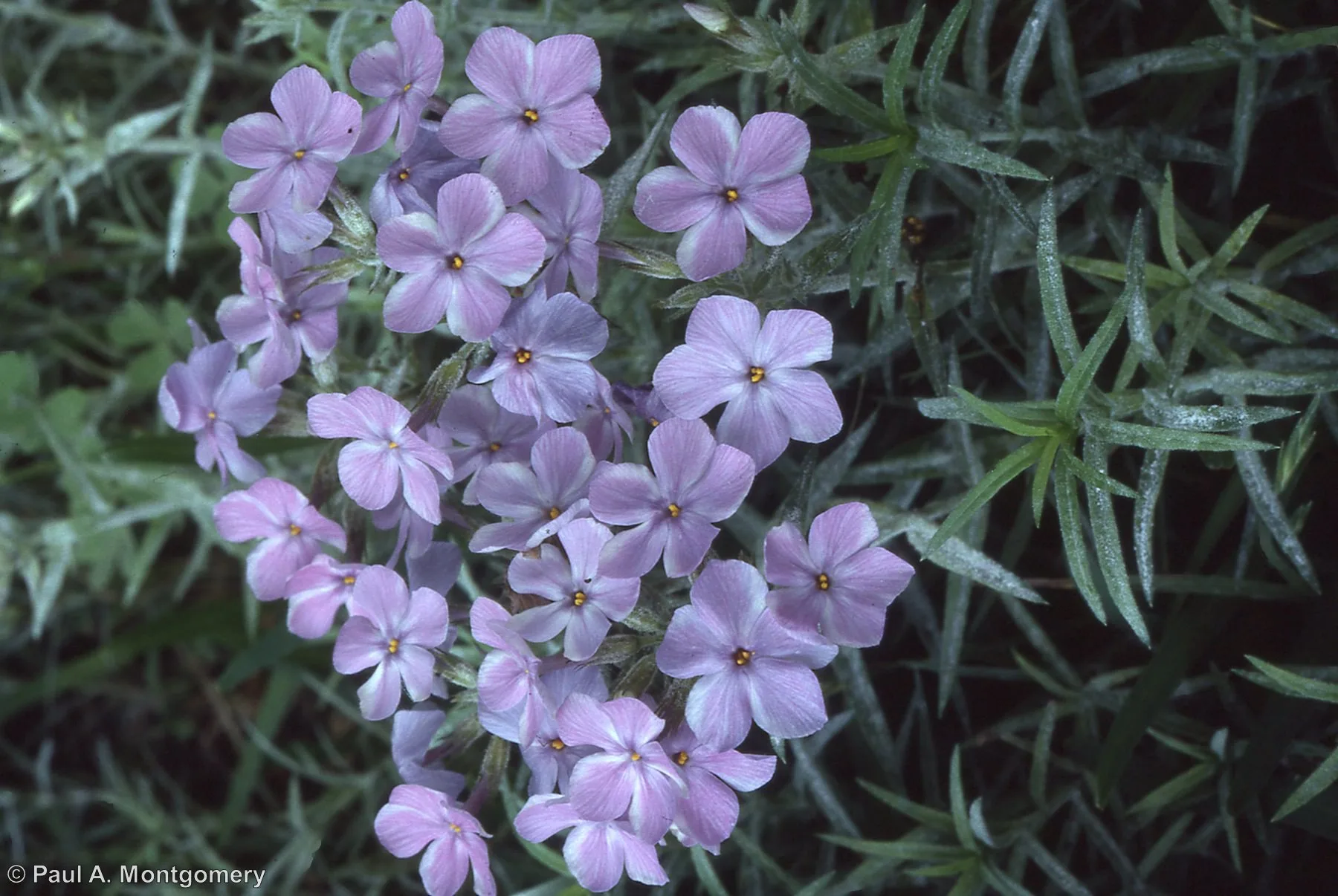
Fragrant Phlox Phlox pilosa Herbaceous Sun, Part Shade Low
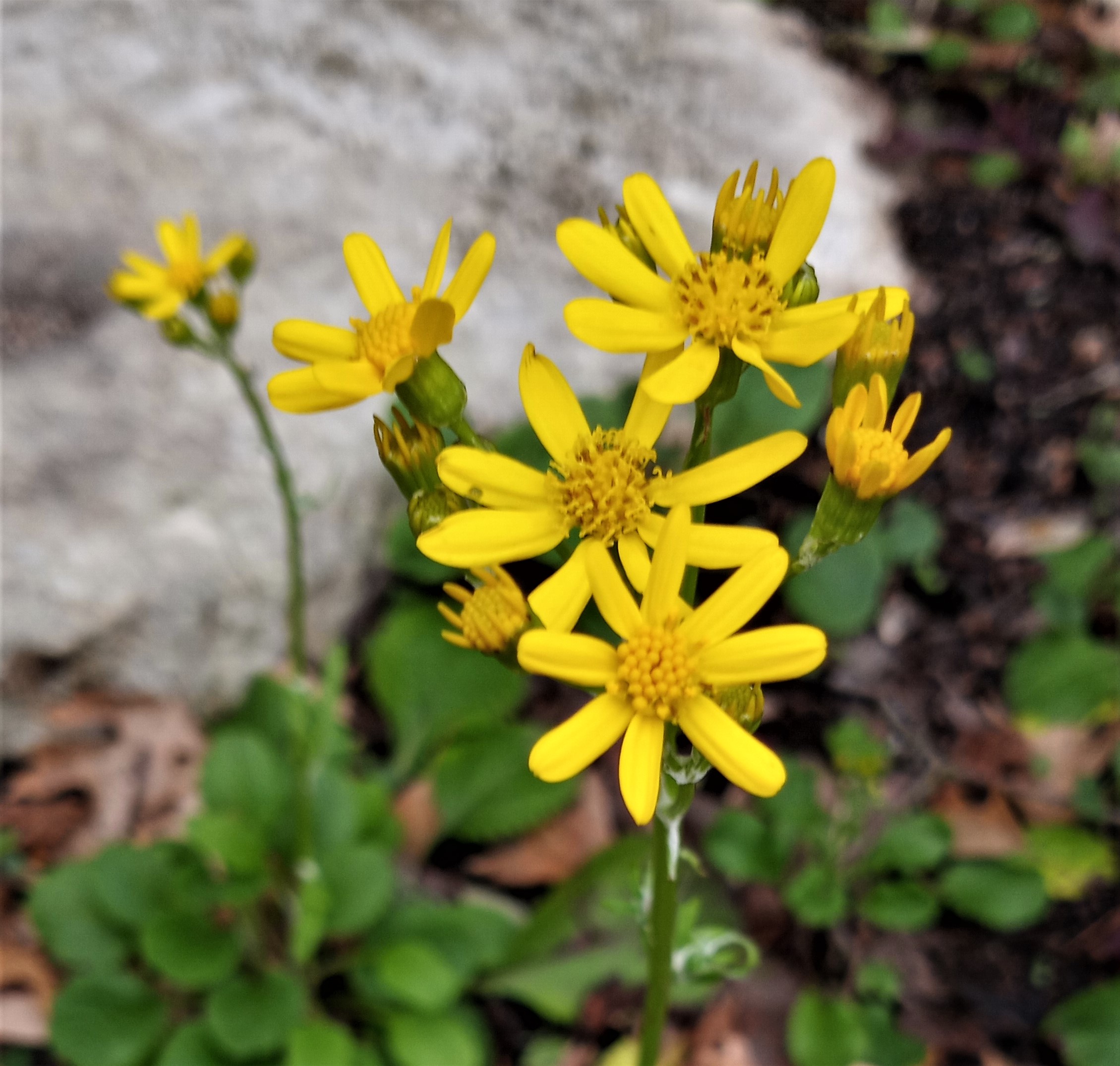
Golden Groundsel Packera obovata Herbaceous Part Shade, Shade Low, Medium
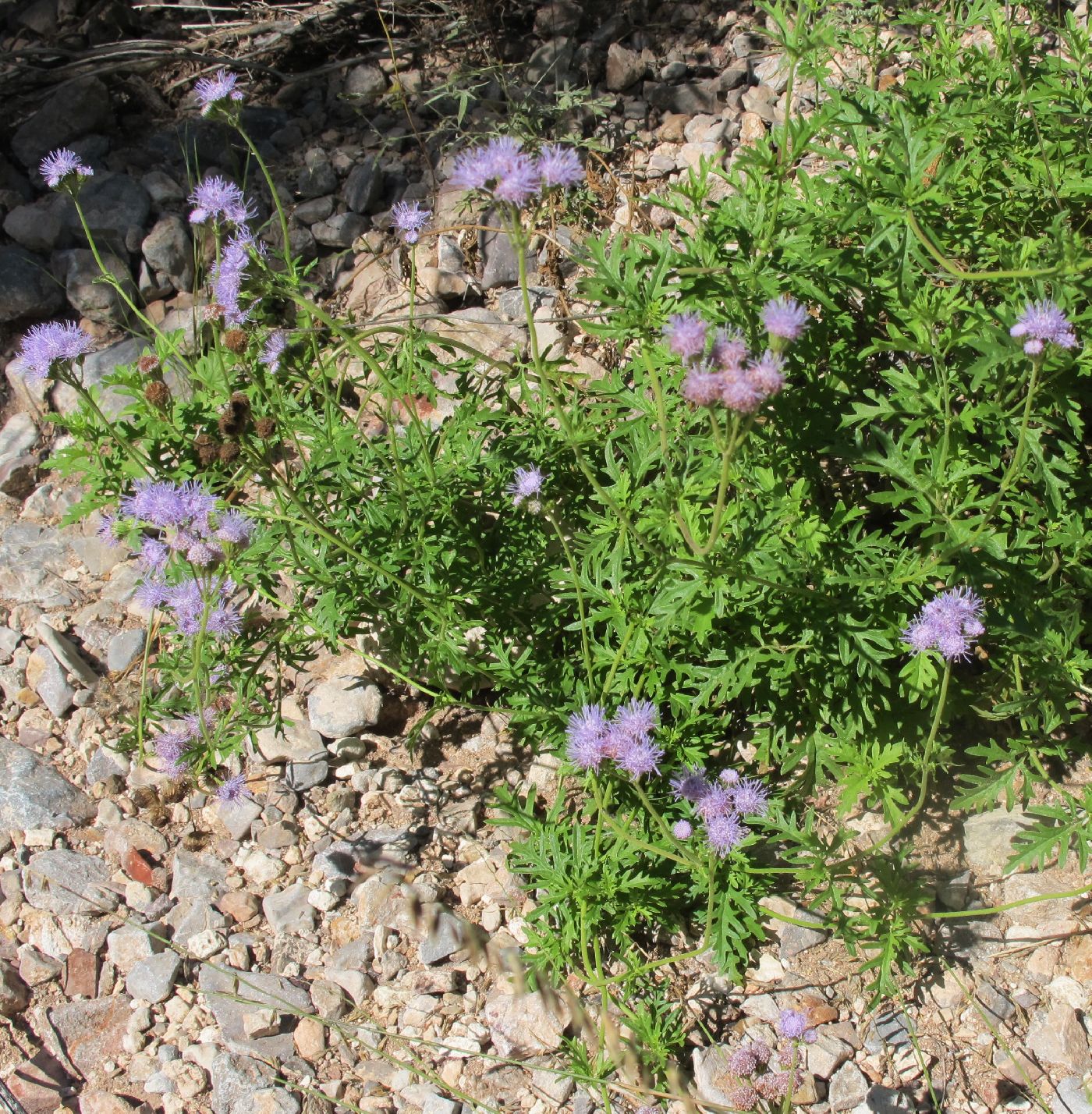
Gregg's Mistflower Conoclinium dissectum Herbaceous Sun, Part Shade Low, Medium
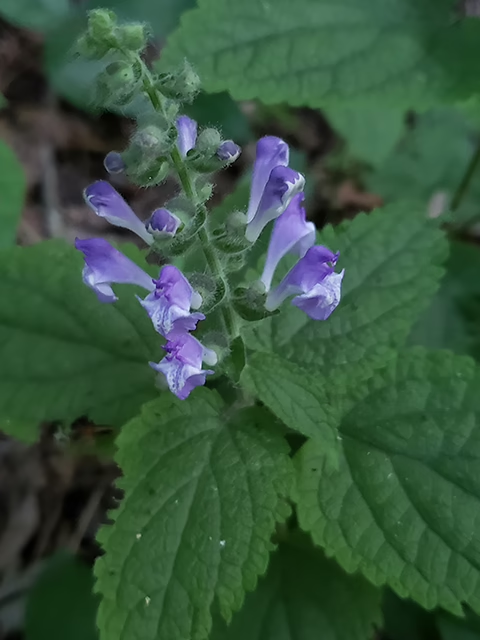
Heartleaf Skullcap Scutellaria ovata Herbaceous Part Shade, Shade Low, Medium
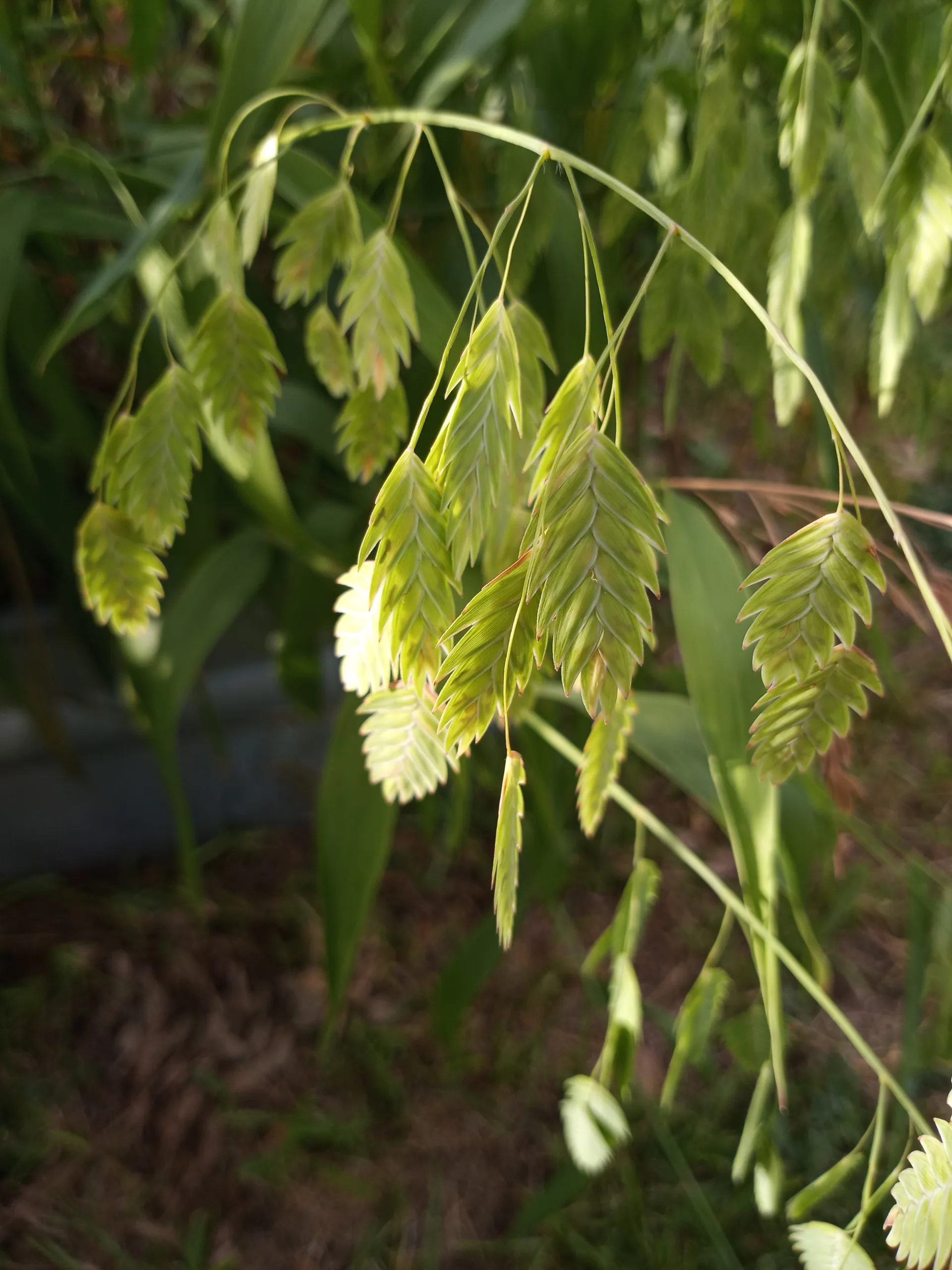
Inland Sea Oats Chasmanthium latifolium Grass & Sedge Part Shade, Shade Low, Medium
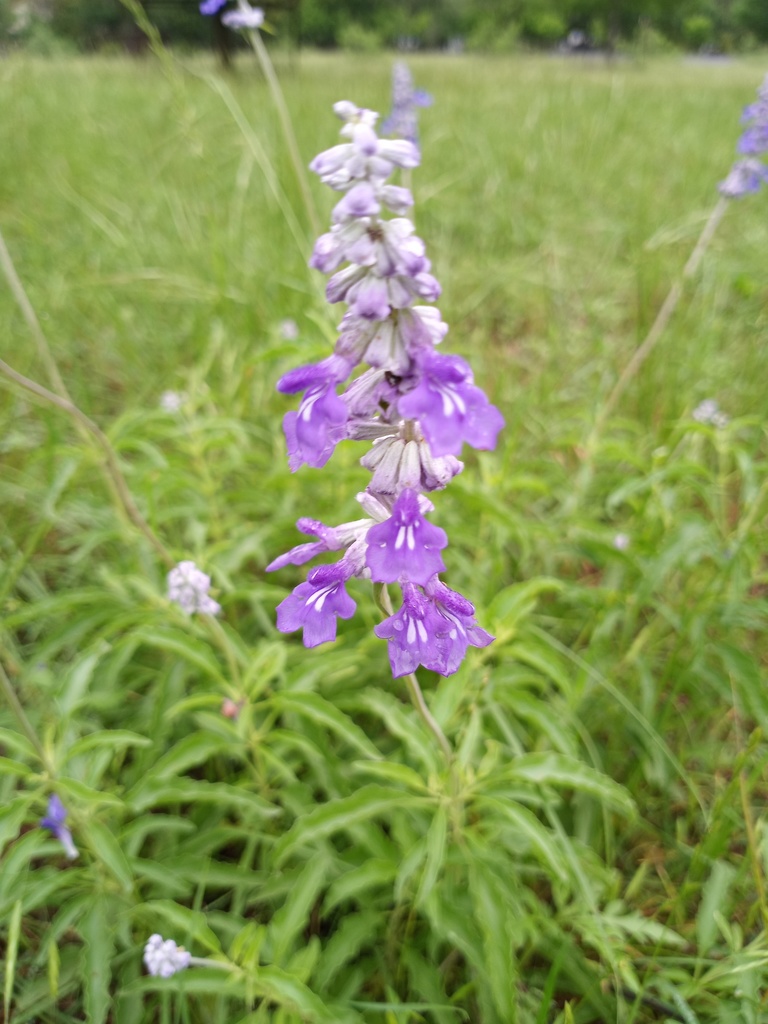
Mealy Blue Sage Salvia farinacea Herbaceous Sun Low
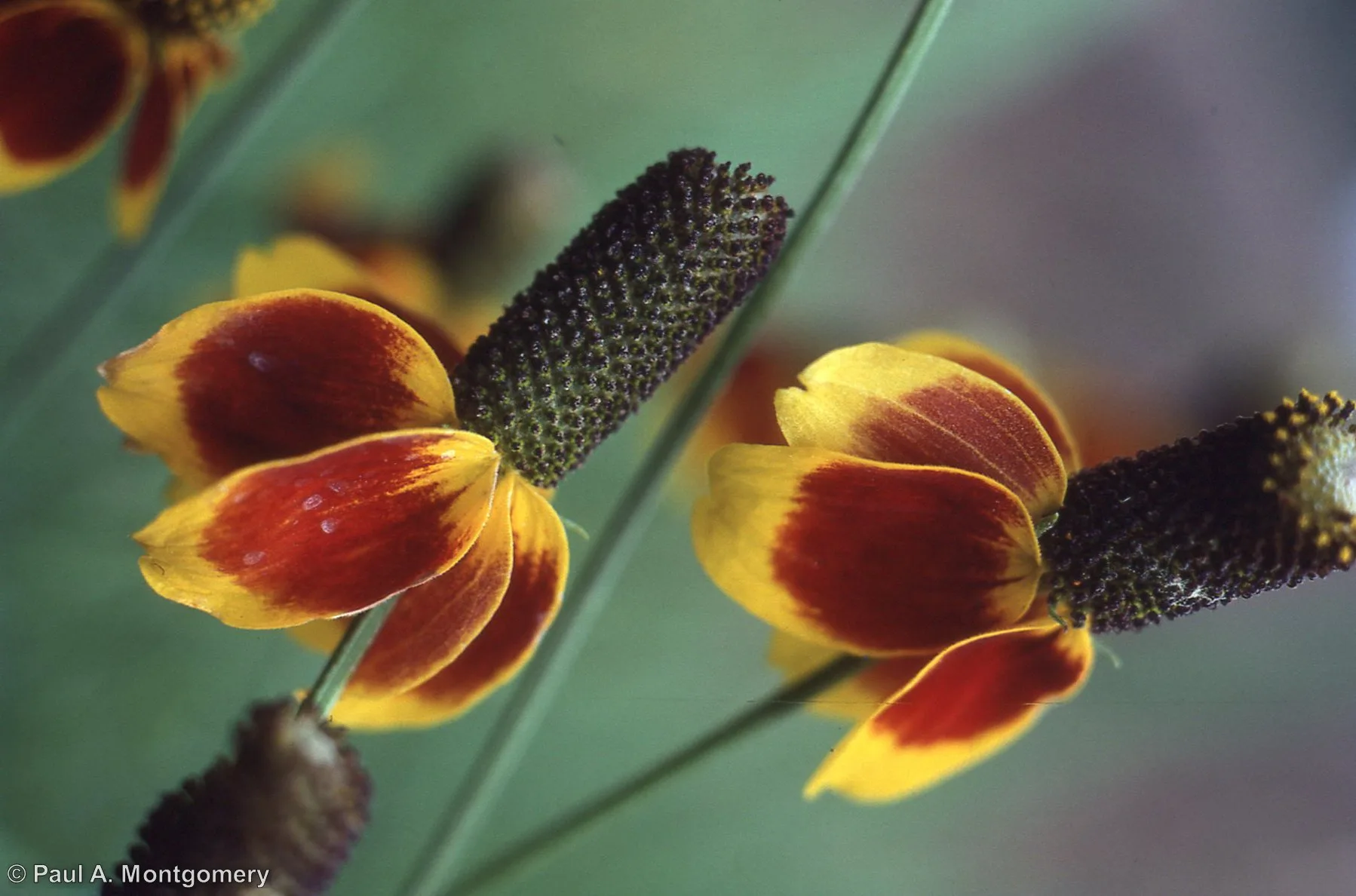
Mexican Hat Ratibida columnifera Herbaceous Sun Medium
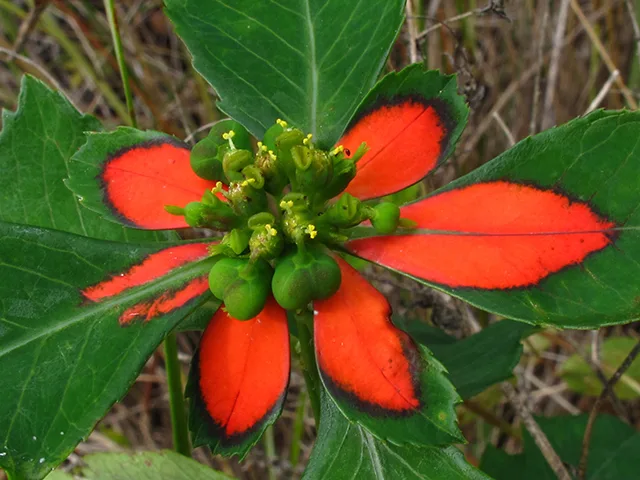
Painted Leaf Poinsettia Euphorbia cyathophora Herbaceous Sun Medium
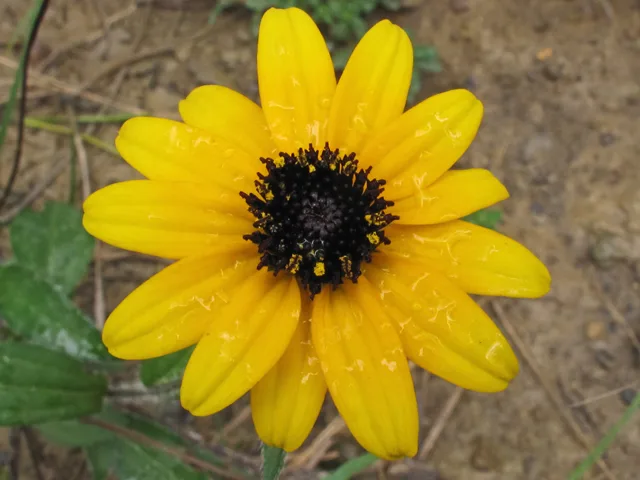
Perennial Black-eyed Susan Rudbeckia fulgida Herbaceous Sun Medium
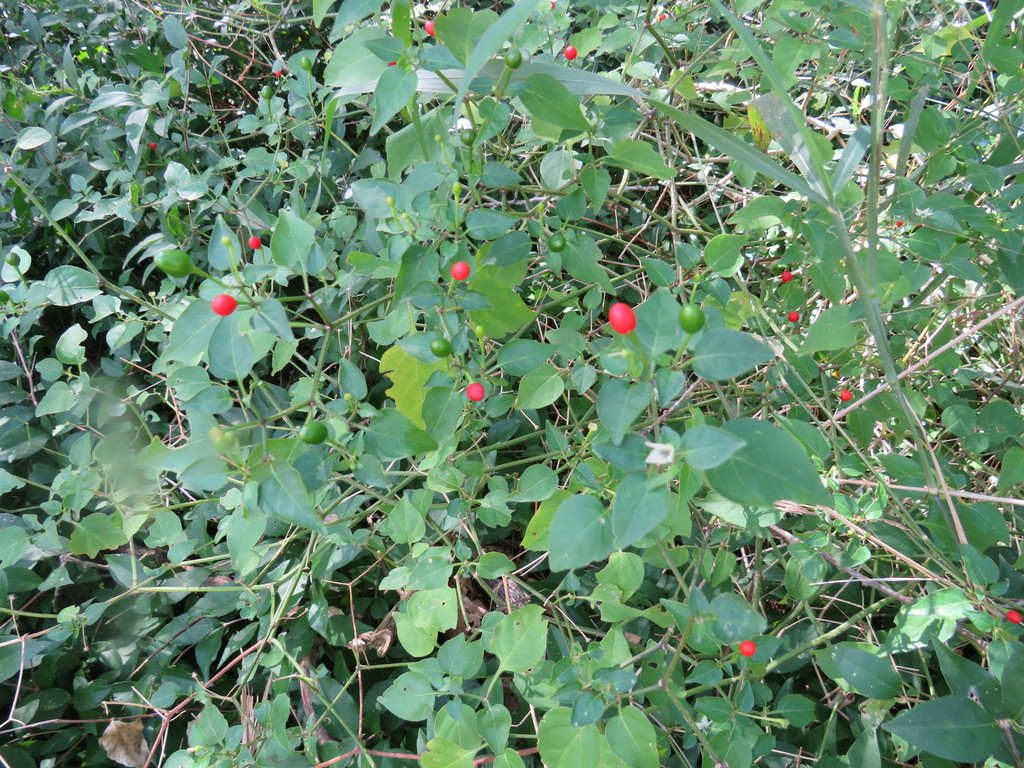
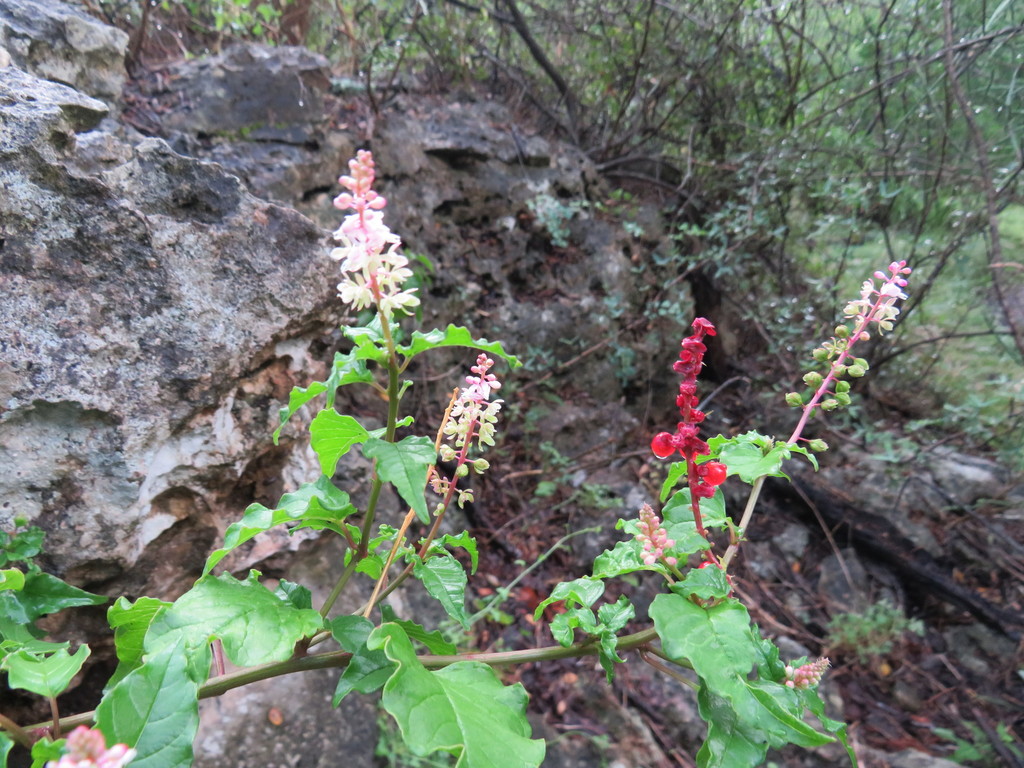
Pigeonberry Rivina humilis Herbaceous Sun, Part Shade, Shade Low, Medium
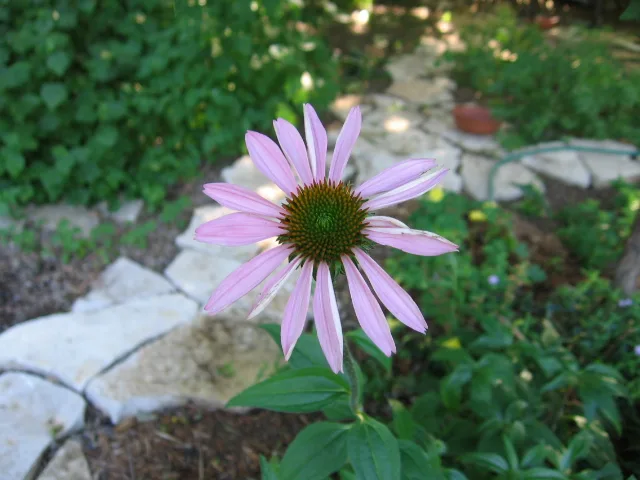
Purple Coneflower Echinacea purpurea Herbaceous Sun, Part Shade Low, Medium
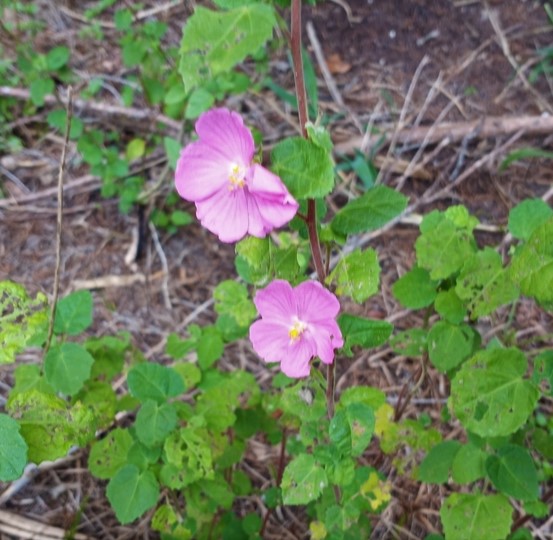
Rock Rose Pavonia lasiopetala Shrub Sun, Part Shade Low
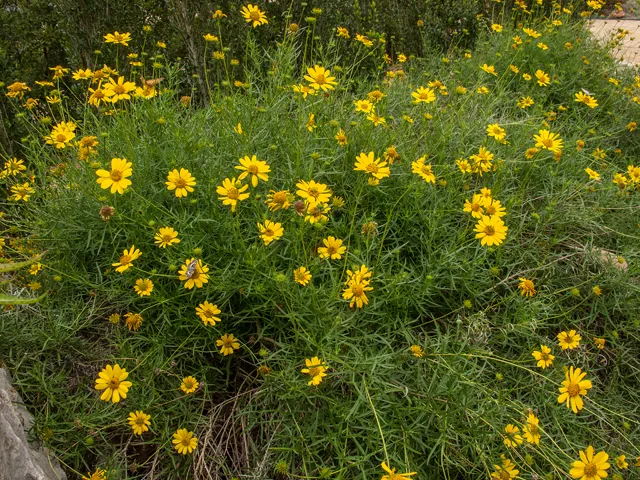
Skeletonleaf Goldeneye Viguiera stenoloba Shrub Sun Low
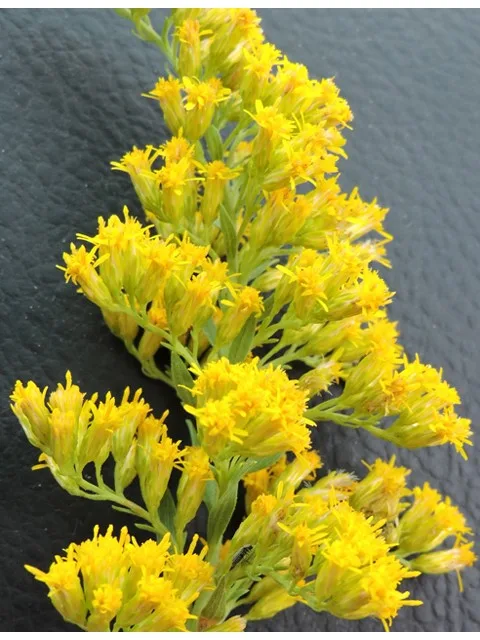
Tall Goldenrod Solidago altissima Herbaceous Sun, Part Shade Medium
Texas Star Hibiscus Hibiscus coccineus Herbaceous Sun, Part Shade High
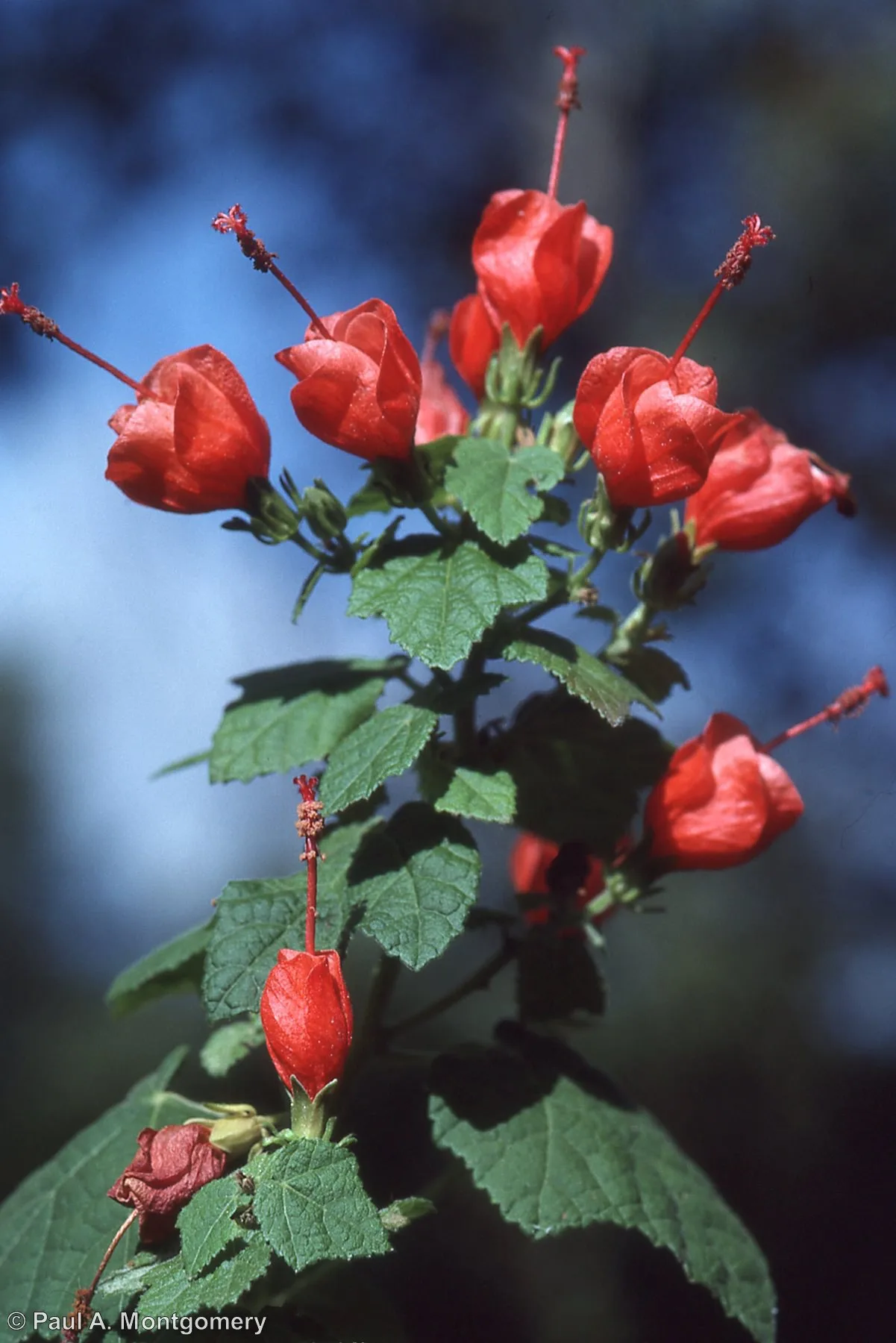
Turk's Cap Malvaviscus arboreus Shrub Sun, Part Shade, Shade Low, Medium
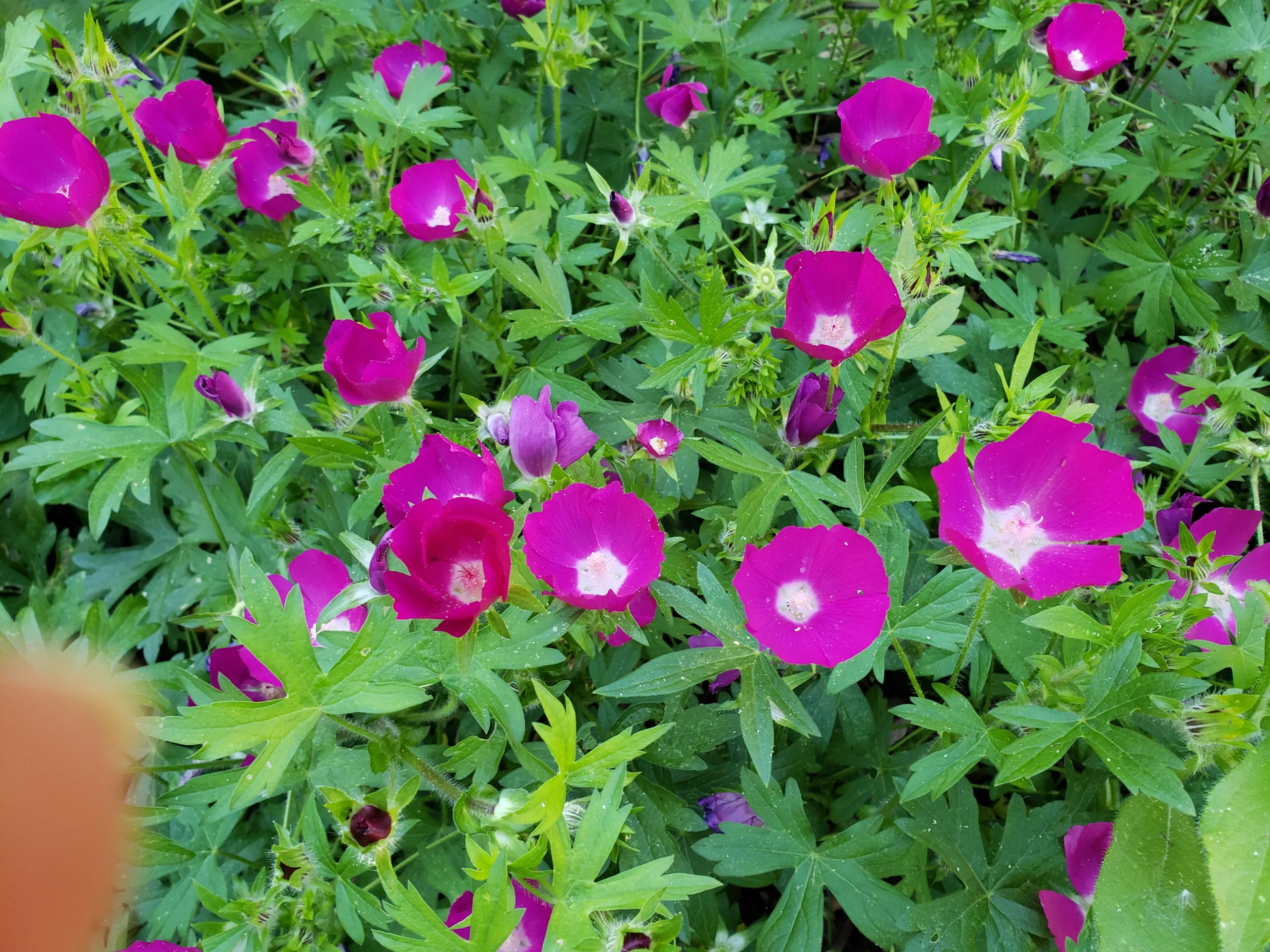
Winecup Callirhoe involucrata Herbaceous Sun, Part Shade Medium
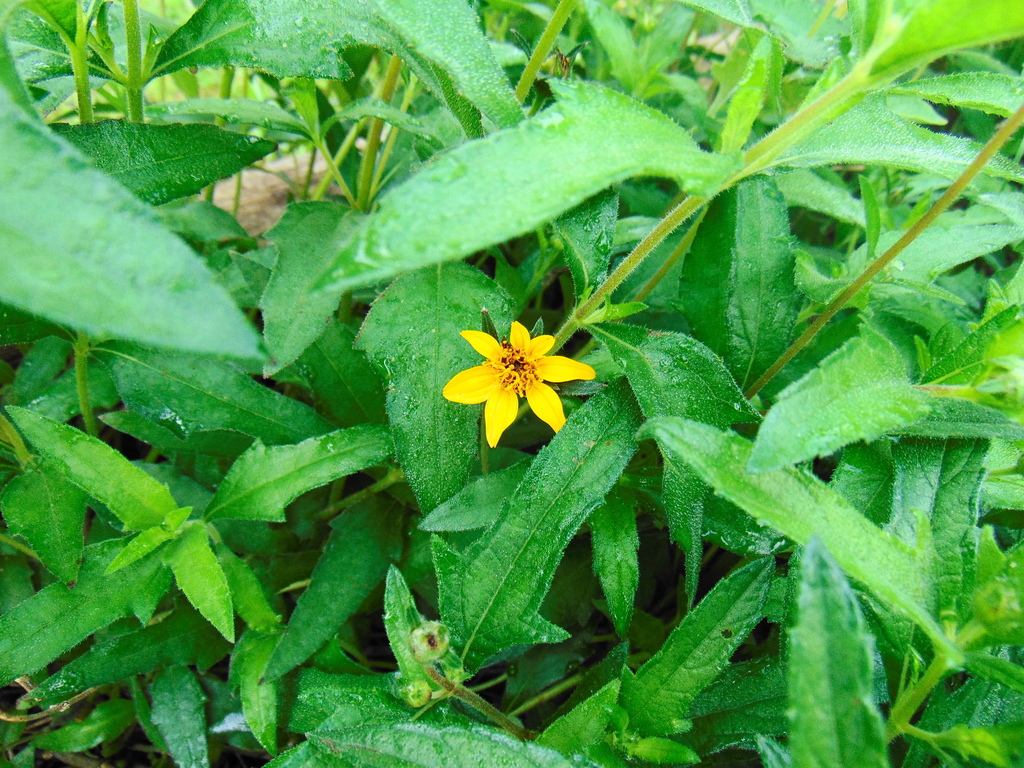
Zexmenia Wedelia acapulcensis var. hispida Shrub Sun, Part Shade Low

About the Region

Fall Symposium 2025 Logo - Teach for the Future

Salado, the location of our Fall 2025 Symposium, lies at the intersection of two ecoregions: the Edwards Plateau (Limestone Cut Plain) and Blackland Prairie (Northern Blackland Prairie).

The Edwards Plateau area is also called the Hill Country; however, this general term covers a much larger area extending farther north. Spring-fed creeks are found throughout the region; deep limestone canyons, rivers, and lakes (reservoirs) are common. Ashe juniper is perhaps the most common woody species found throughout the region. Additional woody species include various species of oak, with live oak (Quercus fusiformis) being the most common. Sycamores (Platanus occidentalis) and bald cypress (Taxodium distichum) border waterways. This area is well known for its spring wildflower displays, though they may be viewed in spring, late summer, and fall, as well. According to Texas Parks and Wildlife, average annual rainfall in the Edwards Plateau ranges from 15 to 34 inches.

The Blackland Prairie extends from the Red River south to San Antonio, bordered on the west by the Edwards Plateau and the Cross Timbers, and on the east by the Post Oak Savannah. Annual rainfall averages 30 to 40 inches, with higher averages to the east. This region is dominated by prairie species. The most common grass species include little bluestem (Schizachyrium scoparium) and Indian grass (Sorghastrum nutans) in the uplands and switchgrass (Panicum virgatum) in the riparian areas and drainages. Common herbaceous flowering plants include salvias, penstemons, and silphiums. This area has suffered greatly from overgrazing and agricultural use. Few intact areas remain, though many of the plants can be found along county roadsides throughout the region.

Our fall Symposium host chapter, the Tonkawa Chapter, includes both of these ecoregions.

Source: Wildflowers of Texas by Michael Eason