NLCP Plant Lists

Native Landscape Certification Program (NLCP) Plant Lists

Select the desired plant list from the filters below. The menus adapt to the classes that are currently available from the chapters. After you select a class you can download it with just the information you want.
Download Options
Select Export Fields:

Name

Growth Form

Height

Spread

Sun

Leaf Retention

Wildlife Interest

Seasonal Interest

Water Use

Soil Type

Wildlife Benefit

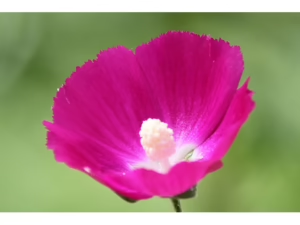
Tall Poppymallow
Callirhoe leiocarpa
Herbaceous
1 –
4 ft
1 –
2 ft
Sun, Part Shade
Deciduous
Nectar, Pollen
Red, Pink, Purple
Low
Sand, Loam, Clay, Moist
Nectar Insects, Bees
Woodland Poppymallow
Callirhoe papaver
Herbaceous
33 –
4 ft
Sun, Part Shade, Shade
Deciduous
Nectar, Pollen, Larval Host
Red, Purple
Low
Sand, Limestone, Well Drained, Dry
Butterflies, Hummingbirds, Bees
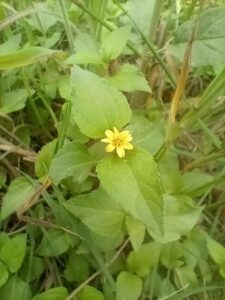
Horseherb
Calyptocarpus vialis
Groundcover, Herbaceous
0.5 –
1 ft
2 –
2 ft
Sun, Shade
Semi Evergreen
Nectar
Yellow
Low, Medium
Sand, Loam, Clay, Well Drained, Moist, Dry
Butterflies, Nectar Insects
Trumpet Creeper Vine
Campsis radicans
Vine
10 –
35 ft
1 –
2 ft
Sun
Deciduous
Nectar, Pollen, Larval Host
Red, Orange, Yellow
Low
Sand, Loam, Clay, Limestone, Caliche, Moist, Dry
Hummingbirds, Moths, Bees
Chile Pequin
Capsicum annuum
Herbaceous
2 –
3 ft
2 –
2 ft
Sun, Part Shade, Shade
Deciduous
Fruit, Nectar
White
Low
Sand, Loam, Clay, Limestone, Caliche, Moist
Birds, Nectar Insects, Bees
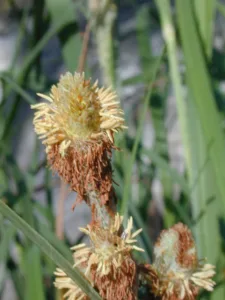
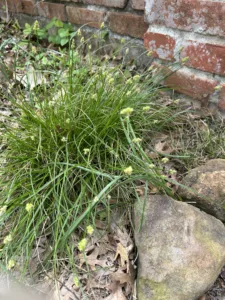
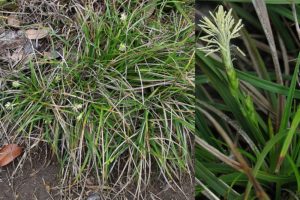
Creek Sedge
Carex blanda
Grass & Sedge
.75 –
2 ft
2 –
3 ft
Sun, Part Shade, Shade
Semi Evergreen
Seeds, Pollen
White, Green, Brown
Low, Medium, High
Sand, Loam, Clay, Well Drained, Moist, Dry
Butterflies, Birds, Small Mammals, Bees
Short-beak Sedge
Carex brevior
Grass & Sedge
1 –
4 ft
1 –
2 ft
Sun, Part Shade
Evergreen
Seeds, Forage
White, Green, Brown
Low, Medium
Sand, Rocky, Dry
Grasshoppers, Browsers, Birds, Small Mammals
Cherokee Sedge
Carex cherokeensis
Grass & Sedge
2 –
2.5 ft
0.5 –
1 ft
Part Shade
Evergreen
Seeds, Larval Host
White, Green, Brown
Medium
Sand, Loam, Moist
Butterflies, Birds, Moths
Ravensfoot Sedge
Carex crus-corvi
Grass & Sedge
2 –
3 ft
.5 –
1 ft
Sun, Part Shade
Deciduous
Seeds, Nesting Material
White, Green
Medium, High
Sand, Loam, Clay, Rich, Moist, Saline
Birds, Small Mammals, Aquatic Wildlife
Slender Woodland Sedge
Carex digitalis
Grass & Sedge
.75 –
1 ft
.5 –
1 ft
Part Shade, Shade
Evergreen
Yellow, Brown
Medium, High
Sand, Loam, Clay, Well Drained, Moist
Emory Sedge
Carex emoryi
Grass & Sedge
1 –
4 ft
1 –
3 ft
Sun, Part Shade
Semi Evergreen
Seeds, Pollen
White, Green, Brown
Medium, High
Poor Drainage, Moist, Mud
Butterflies, Birds, Bees
Thin Blue Sedge
Carex flaccosperma
Grass & Sedge
1 –
1.5 ft
1 –
1.5 ft
Part Shade, Shade
Semi Evergreen
Seeds, Forage
Green
Medium, High
Loam, Clay, Well Drained, Moist
Butterflies, Birds, Small Mammals, Moths
Clustered Sedge
Carex glaucescens
Grass & Sedge
3 –
4 ft
Shade
Deciduous
Seeds, Larval Host
Brown
Medium, High
Loam, Rich, Moist
Butterflies, Birds, Small Mammals
Tissue Sedge
Carex hyalina
Grass & Sedge
2 –
3 ft
1 –
2 ft
Part Shade, Shade
Deciduous
Yellow, Green, Brown
Medium, High
Sand, Clay, Well Drained, Moist, Mud
Leavenworth’s Sedge
Carex leavenworthii
Grass & Sedge
1 –
2 ft
1 –
2 ft
Sun, Part Shade, Shade
Evergreen
Seeds, Pollen
White, Green, Brown
Medium
Sand, Clay, Gravelly, Dry
Butterflies, Birds, Small Mammals, Bees
Sand Sedge
Carex perdentata
Grass & Sedge
1 –
3 ft
1 –
3 ft
Sun
Deciduous
Seeds, Forage, Nesting Material
White, Green, Brown
Medium
Sand, Loam, Clay, Moist
Browsers, Birds, Aquatic Wildlife
Cedar Sedge
Carex planostachys
Grass & Sedge
0 –
1 ft
1 –
2 ft
Part Shade
Semi Evergreen
Forage, Larval Host
Brown
Low
Loam, Clay, Limestone, Caliche, Rich, Well Drained, Dry
Caterpillars, Grasshoppers, Beetles, Butterflies
Texas Sedge
Carex texensis
Grass & Sedge
0.5 –
1 ft
0.5 –
1 ft
Sun, Part Shade
Semi Evergreen
Seeds
Yellow, Green, Brown
Low
Sand, Moist, Dry
Birds, Small Mammals
Smallflower Wrightwort
Carlowrightia parviflora
Herbaceous
1 –
2 ft
1 –
2 ft
Part Shade, Shade
Semi Evergreen
Nectar, Pollen, Larval Host
Blue
Low
Loam, Clay
Butterflies, Nectar Insects
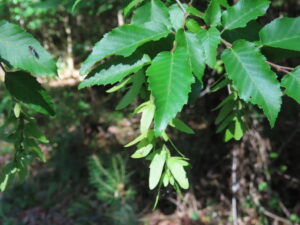
Hornbeam
Carpinus caroliniana
Tree
20 –
30 ft
20 –
30 ft
Part Shade, Shade
Deciduous
Fall Color, Seeds, Nectar, Larval Host
Red, Green, Brown
Medium
Sand, Loam, Well Drained, Moist
Butterflies, Birds, Small Mammals
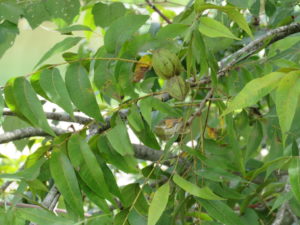
Pecan
Carya illinoinensis
Tree
60 –
75 ft
40 –
75 ft
Sun
Deciduous
Nuts, Nectar, Larval Host, Nesting Material
Yellow
High
Deep, Moist
Butterflies, Birds, Small Mammals
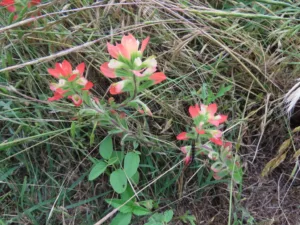
Indian Paintbrush
Castilleja indivisa
Herbaceous
0.5 –
1.5 ft
1 –
1.5 ft
Sun
Deciduous
Nectar, Larval Host
White, Green
Medium
Sand, Loam, Clay, Dry
Butterflies, Hummingbirds
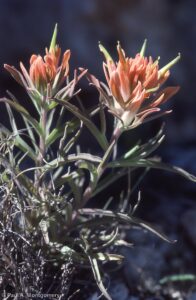
Prairie Paintbrush
Castilleja purpurea
Herbaceous
.5 –
1.5 ft
0.5 –
1 ft
Sun
Deciduous
Nectar, Pollen
Red, Pink, Orange, Yellow, Purple
Low
Calcareous, Well Drained, Dry
Hummingbirds, Bees
Redroot
Ceanothus herbaceus
Shrub
2 –
3 ft
2 –
3 ft
Sun
Deciduous
Fruit, Forage, Nectar, Pollen, Larval Host
White, Blue
Low
Sand, Clay, Limestone, Calcareous, Well Drained, Dry
Butterflies, Birds, Deer, Bees
Hackberry
Celtis laevigata
Tree
60 –
80 ft
20 –
30 ft
Sun, Part Shade
Deciduous
Berry, Fall Color, Seeds, Larval Host
Green
Low, Medium
Sand, Loam, Clay, Caliche, Well Drained, Dry
Butterflies, Birds
Spiny Hackberry
Celtis pallida
Shrub
10 –
20 ft
8 –
10 ft
Sun, Part Shade
Deciduous
Fruit, Nectar, Pollen, Larval Host
White, Yellow, Green
Low
Sand, Loam, Clay, Rocky, Dry
Butterflies, Birds, Small Mammals, Moths, Bees
Netleaf Hackberry
Celtis reticulata
Tree
25 –
50 ft
25 –
50 ft
Sun, Part Shade
Deciduous
Fruit, Flowers
White
Low
Rocky, Limestone, Well Drained, Moist, Dry
Butterflies, Birds, Small Mammals
Spurred Butterfly Pea
Centrosema virginianum
Vine
10 –
12 ft
.5 –
1 ft
Part Shade, Shade
Deciduous
Seeds, Forage, Nectar, Larval Host
White, Pink, Blue, Purple
Low, Medium
Sand, Loam, Dry
Browsers, Butterflies, Birds, Nectar Insects
Buttonbush
Cephalanthus occidentalis
Shrub
6 –
12 ft
6 –
6 ft
Sun
Deciduous
Seeds, Nectar, Pollen, Larval Host
White, Pink
High
Loam, Clay, Moist
Butterflies, Birds, Nectar Insects, Moths, Bees
Mexican Buttonbush
Cephalanthus salicifolius
Shrub
8 –
18 ft
4 –
10 ft
Sun, Part Shade
Deciduous
Fruit, Nectar, Pollen, Flowers
White, Pink
Medium, High
Loam, Clay, Poor Drainage, Moist
Butterflies, Birds, Nectar Insects, Bees
Coontail
Ceratophyllum demersum
Wetland
1 –
12 ft
1 –
12 ft
Part Shade
Deciduous
Forage
Pink, Yellow, Blue
High
Calcareous, Moist
Aquatic Wildlife
Eastern Redbud
Cercis canadensis var. canadensis
Tree
15 –
25 ft
15 –
20 ft
Part Shade, Shade
Deciduous
Fruit, Fall Color, Forage, Nectar, Pollen, Larval Host
Red, Pink
Low, Medium
Sand, Loam, Clay, Well Drained, Dry
Butterflies, Birds, Nectar Insects, Deer, Hummingbirds, Moths, Bees
Mexican Redbud
Cercis canadensis var. mexicana
Tree
10 –
15 ft
10 –
15 ft
Sun, Part Shade
Deciduous
Seeds, Nectar, Pollen, Larval Host
Pink, Purple
Low
Sand, Loam, Clay, Rocky, Limestone, Calcareous, Well Drained, Dry
Butterflies, Birds, Moths, Bees
Texas Redbud
Cercis canadensis var. texensis
Tree
15 –
20 ft
10 –
15 ft
Sun, Part Shade
Deciduous
Seeds, Forage, Nectar, Pollen, Larval Host
Pink, Purple
Low, Medium
Limestone, Well Drained, Dry
Butterflies, Birds, Deer, Moths, Bees
Mountain Mahogany
Cercocarpus montanus
Shrub
8 –
20 ft
8 –
20 ft
Sun
Semi Evergreen
Forage, Nectar, Pollen, Larval Host
White, Pink
Low
Sand, Loam, Clay, Caliche, Well Drained, Dry
Browsers, Butterflies, Deer, Moths
Partridge Pea
Chamaecrista fasciculata
Herbaceous
1 –
3 ft
1 –
3 ft
Sun, Part Shade
Deciduous
Seeds, Forage, Nectar, Pollen, Larval Host
Yellow
Low, Medium
Sand, Deep, Well Drained, Moist, Dry
Browsers, Butterflies, Birds, Deer, Bees
Edwards Plateau Five Eyes
Chamaesaracha edwardsiana
Herbaceous
.5 –
.75 ft
.5 –
.5 ft
Sun, Part Shade
Deciduous
White, Yellow
Low
Limestone, Calcareous, Moist
Texas Silverpuff
Chaptalia texana
Herbaceous
.5 –
1 ft
.5 –
1 ft
Sun, Part Shade
Deciduous
Red, Yellow
Low
Rocky, Limestone, Shallow, Well Drained, Dry
Inland Sea Oats
Chasmanthium latifolium
Grass & Sedge
2 –
4 ft
2 –
3 ft
Part Shade, Shade
Deciduous
Seeds, Forage, Larval Host
Green
Low, Medium
Sand, Loam, Clay, Limestone, Calcareous, Poor Drainage, Moist
Butterflies, Birds, Small Mammals
Slender Woodoats
Chasmanthium laxum
Grass & Sedge
2 –
3 ft
1 –
2 ft
Sun, Part Shade, Shade
Deciduous
Seeds, Forage, Nectar, Pollen
Green, Brown
Low, Medium
Well Drained, Moist, Dry
Browsers, Butterflies, Birds
Alabama Lipfern
Cheilanthes alabamensis
Fern
2 –
5 ft
1 –
2 ft
Part Shade, Shade
Semi Evergreen
No Bloom
Low
Sand, Gravelly, Rocky, Limestone, Well Drained, Dry
Desert Willow
Chilopsis linearis
Tree
20 –
30 ft
15 –
25 ft
Sun
Deciduous
Seeds, Nectar, Pollen, Larval Host, Flowers
White, Pink, Purple
Low
Limestone, Well Drained, Moist, Dry
Butterflies, Birds, Nectar Insects, Hummingbirds, Moths, Bees
David’s Milkberry
Chiococca alba
Shrub
5 –
6 ft
5 –
6 ft
Part Shade, Shade
Evergreen
Fruit, Nectar
White, Yellow
Medium
Sand, Loam, Clay, Well Drained, Moist
Birds, Nectar Insects
Fringe Tree
Chionanthus virginicus
Tree
15 –
30 ft
10 –
20 ft
Part Shade
Deciduous
Fruit, Forage, Nectar, Pollen, Larval Host
White
Medium, High
Sand, Loam, Clay, Poor Drainage, Moist
Browsers, Butterflies, Birds, Small Mammals, Deer, Moths
Hooded Windmill Grass
Chloris cucullata
Grass & Sedge
1 –
1.5 ft
0.5 –
1 ft
Part Shade
Deciduous
Seeds, Larval Host, Nesting Material
Medium
Sand, Loam, Moist
Butterflies, Birds, Small Mammals
Ivyleaf Thoroughwort
Chromolaena ivifolia
Herbaceous
1 –
5 ft
1 –
5 ft
Sun
Deciduous
Seeds, Nectar, Pollen, Flowers
Red, Blue, Purple
Medium
Well Drained
Birds, Nectar Insects, Bees
Fragrant Mistflower
Chromolaena odorata
Shrub
3 –
6 ft
1 –
2 ft
Sun, Part Shade, Shade
Semi Evergreen
Seeds, Nectar, Larval Host
Purple
Low
Sand, Loam, Clay, Poor Drainage, Dry
Butterflies, Birds, Nectar Insects, Bees
Damianita
Chrysactinia mexicana
Shrub
1 –
2 ft
1 –
2 ft
Sun
Evergreen
Seeds, Nectar, Pollen, Nesting Material
Yellow
Very Low, Low
Sand, Loam, Limestone, Caliche, Well Drained, Dry
Butterflies, Birds, Small Mammals, Nectar Insects, Bees
Texas Thistle
Cirsium texanum
Herbaceous
2 –
5 ft
1 –
2 ft
Sun
Deciduous
Seeds, Nectar, Larval Host, Nesting Material
Blue, Purple
Low
Sand, Loam, Clay, Well Drained, Dry
Butterflies, Birds, Nectar Insects, Bees
Sorrelvine
Cissus trifoliata
Vine
1 –
30 ft
.5 –
1 ft
Sun, Part Shade
Semi Evergreen
Larval Host
White, Yellow, Green, Purple
Low, Medium, High
Loam, Clay, Poor Drainage, Moist, Saline
Moths
[elg_csv_export grid_id="my-loop-grid"]

About the Region

Fall Symposium 2025 Logo - Teach for the Future

Salado, the location of our Fall 2025 Symposium, lies at the intersection of two ecoregions: the Edwards Plateau (Limestone Cut Plain) and Blackland Prairie (Northern Blackland Prairie).

The Edwards Plateau area is also called the Hill Country; however, this general term covers a much larger area extending farther north. Spring-fed creeks are found throughout the region; deep limestone canyons, rivers, and lakes (reservoirs) are common. Ashe juniper is perhaps the most common woody species found throughout the region. Additional woody species include various species of oak, with live oak (Quercus fusiformis) being the most common. Sycamores (Platanus occidentalis) and bald cypress (Taxodium distichum) border waterways. This area is well known for its spring wildflower displays, though they may be viewed in spring, late summer, and fall, as well. According to Texas Parks and Wildlife, average annual rainfall in the Edwards Plateau ranges from 15 to 34 inches.

The Blackland Prairie extends from the Red River south to San Antonio, bordered on the west by the Edwards Plateau and the Cross Timbers, and on the east by the Post Oak Savannah. Annual rainfall averages 30 to 40 inches, with higher averages to the east. This region is dominated by prairie species. The most common grass species include little bluestem (Schizachyrium scoparium) and Indian grass (Sorghastrum nutans) in the uplands and switchgrass (Panicum virgatum) in the riparian areas and drainages. Common herbaceous flowering plants include salvias, penstemons, and silphiums. This area has suffered greatly from overgrazing and agricultural use. Few intact areas remain, though many of the plants can be found along county roadsides throughout the region.

Our fall Symposium host chapter, the Tonkawa Chapter, includes both of these ecoregions.

Source: Wildflowers of Texas by Michael Eason